
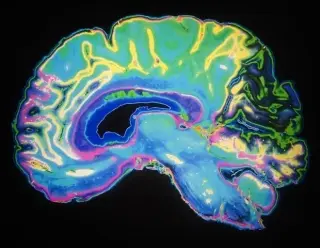
Psilocybin Rewires Brain Circuits via Distinct Pathways, Separating Healing from Hallucinations
A new study from UC Santa Cruz reveals that psilocybin reshapes brain connections through specific cellular mechanisms independent of its hallucinogenic effects. Researchers found that the drug rapidly forms and stabilizes new neural synapses in mice, a process driven by serotonin 2A receptors in Layer 5 pyramidal neurons. This discovery suggests that future therapies could promote brain plasticity for treating depression and PTSD without inducing intense psychedelic experiences, potentially making treatments safer and more accessible.