
Psilocybin Rewires Brain Circuits via Distinct Pathways, Separating Healing from Hallucinations
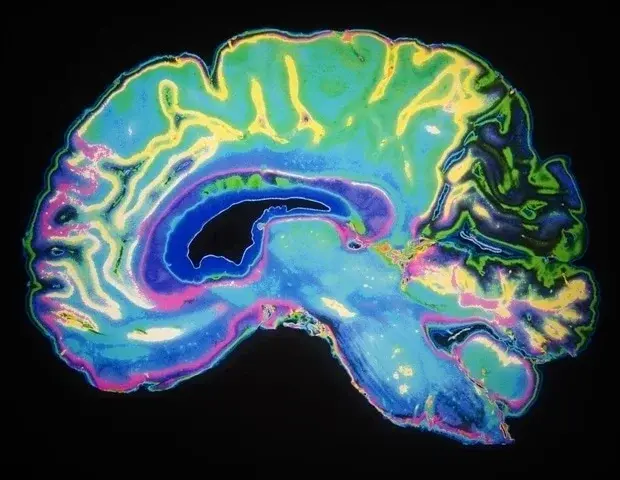
A new study from UC Santa Cruz reveals that psilocybin reshapes brain connections through specific cellular mechanisms independent of its hallucinogenic effects. Researchers found that the drug rapidly forms and stabilizes new neural synapses in mice, a process driven by serotonin 2A receptors in Layer 5 pyramidal neurons. This discovery suggests that future therapies could promote brain plasticity for treating depression and PTSD without inducing intense psychedelic experiences, potentially making treatments safer and more accessible.
Key points
- UC Santa Cruz researchers used two-photon microscopy to observe psilocybin accelerating the formation and maturation of dendritic spines in mice within 24 hours.
- The study identified Layer 5 pyramidal neurons as critical for structural plasticity, showing that serotonin 2A receptors in these cells are necessary for synapse growth but not for hallucinogenic behaviors like the head-twitch response.
- In healthy mice, psilocybin temporarily boosted new connections before returning to baseline, while in chronically stressed mice, it halted excessive synapse loss and promoted significant new growth.
- The findings provide a biological framework for developing non-hallucinogenic analogs that retain therapeutic benefits for psychiatric conditions like depression and PTSD.
- The research was published in Nature Neuroscience and supported by the National Institute of Mental Health and the National Institute on Aging.
Background
This research builds on recent shifts in psychedelic science, moving beyond the 1970s Controlled Substances Act era to focus on 'psychoplastogens' that stimulate neural plasticity. It follows earlier findings that psychedelics create hidden order in brain activity rather than random chaos, as reported in October 2026. Additionally, it complements recent FDA efforts to establish frameworks for psychedelic-assisted therapies, including Breakthrough Therapy designations for psilocybin and MDMA.
How outlets are covering it
While the primary source emphasizes cellular mechanisms and the separation of plasticity from hallucinations, secondary sources highlight broader neural dynamics. Nautilus reports on LSD speeding up brain rhythms and increasing fractal complexity, suggesting a shift in how the brain processes information rather than just structural changes. PsyPost focuses on how psilocybin aligns brain activity with environmental context, challenging the view of psychedelics as causing pure chaos. These perspectives collectively suggest that psychedelics reorganize brain function in complex, context-dependent ways, with the UC Santa Cruz study providing the specific cellular blueprint for these changes.
Why it matters
Understanding the distinct cellular pathways for psilocybin's therapeutic and hallucinogenic effects could lead to the development of safer, more scalable treatments for mental health disorders. By targeting specific neural circuits without inducing intense perceptual alterations, future therapies may be more accessible and acceptable to a broader patient population, potentially revolutionizing the treatment of depression, PTSD, and other psychiatric conditions.
What to watch
Researchers will likely focus on developing non-hallucinogenic analogs of psilocybin that retain the neuroplastic benefits. Clinical trials may explore how these new compounds perform in treating various psychiatric conditions, while further studies will investigate the role of context and setting in enhancing therapeutic outcomes. The FDA's ongoing efforts to standardize psychedelic therapy protocols will also influence how these findings are translated into clinical practice.
- Psilocybin reshapes brain connections through distinct cellular pathways News-Medical
- How psilocybin reshapes brain circuits Medical Xpress
- LSD speeds up brain waves and increases neural complexity, study finds News-Medical
- LSD May Speed Up Brain Activity and Make it Fractal Nautilus | Science Connected
- Beneath psilocybin’s apparent brain chaos, scientists find signs of a hidden order PsyPost
Want the full story? Read the original reporting
Read on News-Medical