The IOC's 2026 policy requires testing for the SRY gene to classify athletes by sex, a move meant to bar transgender athletes from women’s competitions but likely to exclude many intersex women who were assigned female at birth because biological sex is complex and the policy provides no case by case exceptions.
More than 100 rights, sports and science groups condemn the IOC’s new rules mandating genetic sex tests in the women’s category and banning athletes who identify as transgender or with sex differences, calling the policy unscientific, discriminatory and a violation of international human rights. Critics note the data behind the guidelines hasn’t been shared, point to the unreliability of the SRY gene test, and warn it could reintroduce discriminatory practices. UN experts had already criticized blanket testing; only Laurel Hubbard has identified as transgender among Olympians since 1999. The move risks impacting grassroots sport and disproportionately affecting women of color, with some Australian officials supporting the policy but others cautioning about legal and integrity risks.
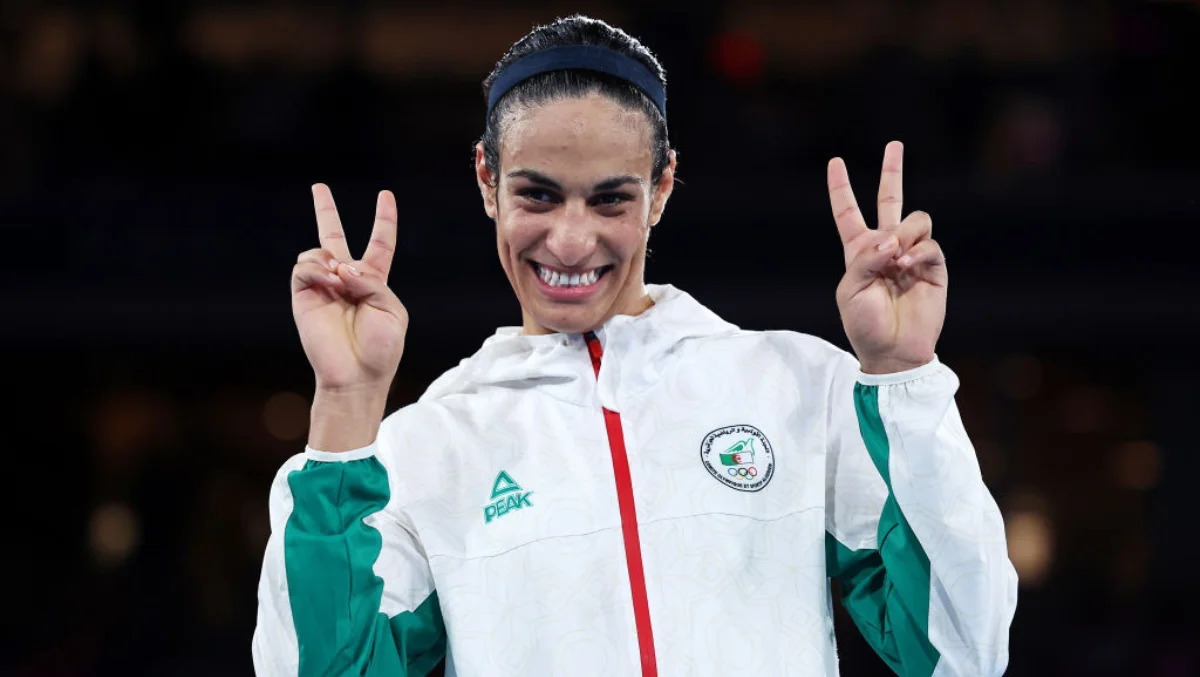
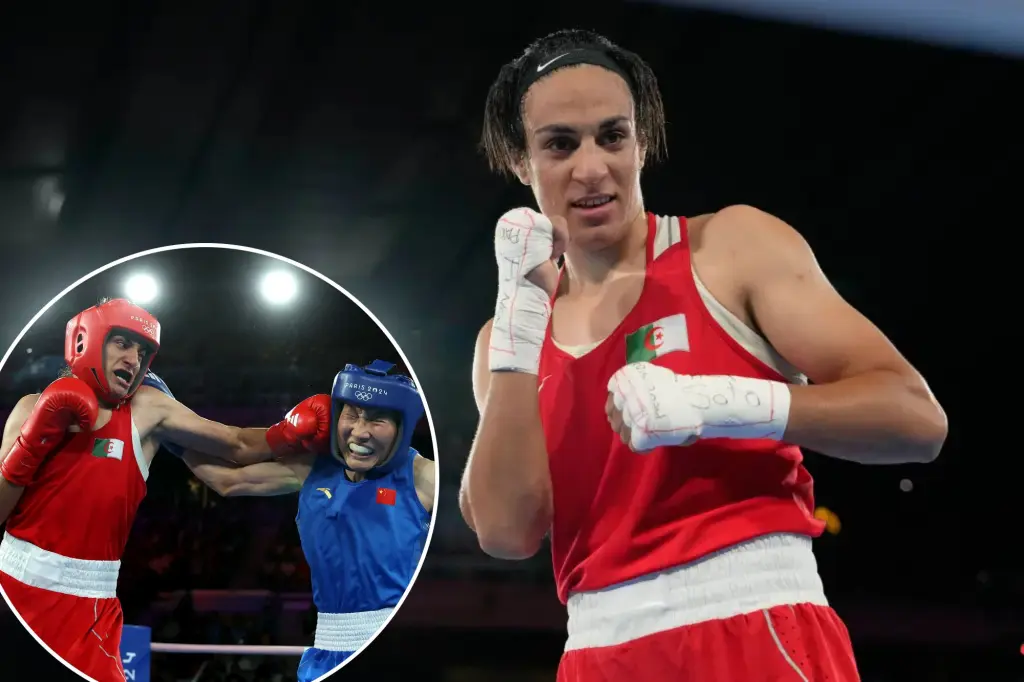
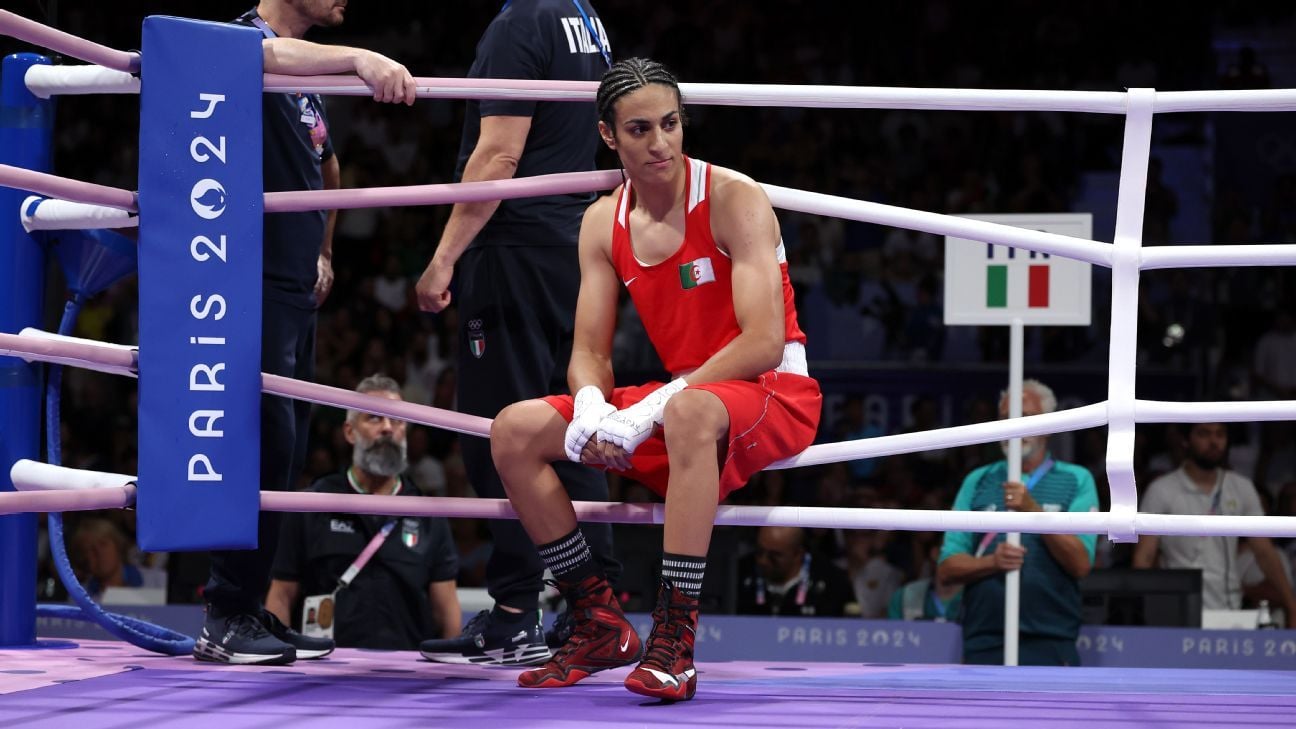
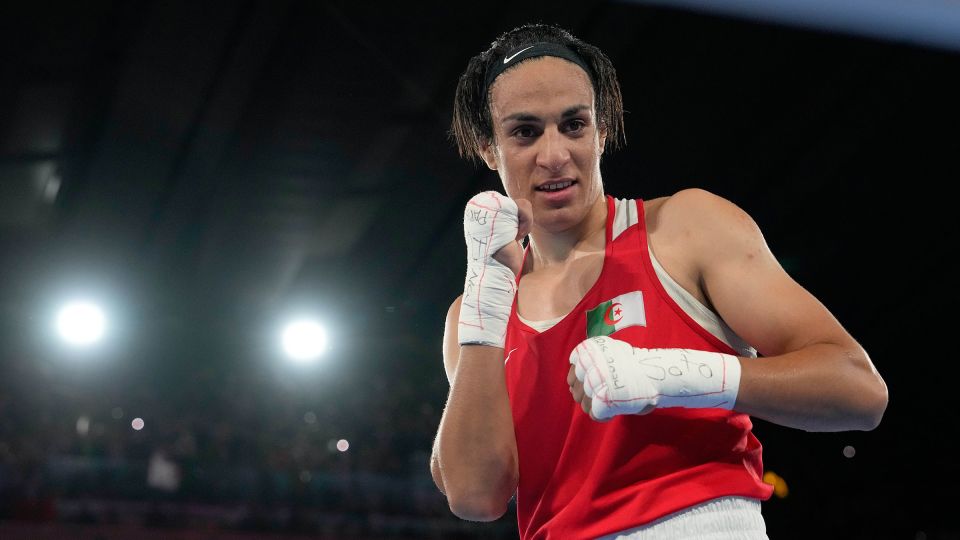
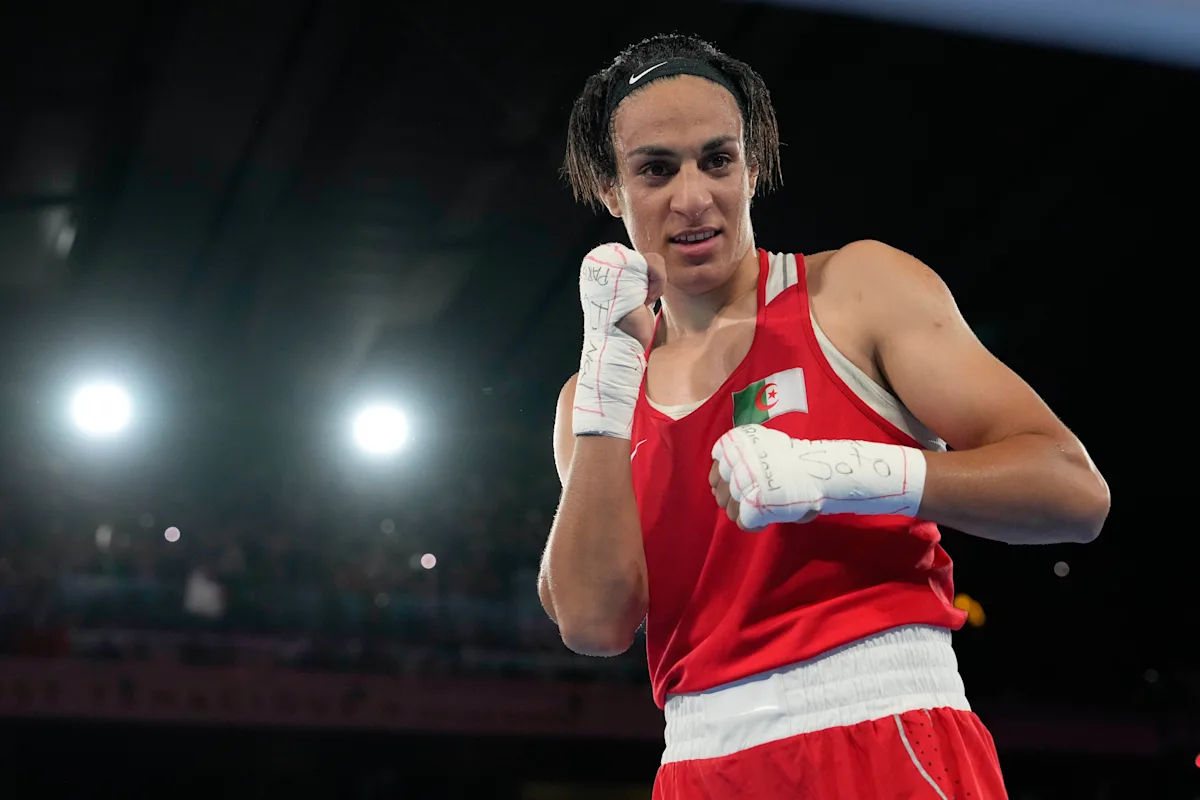
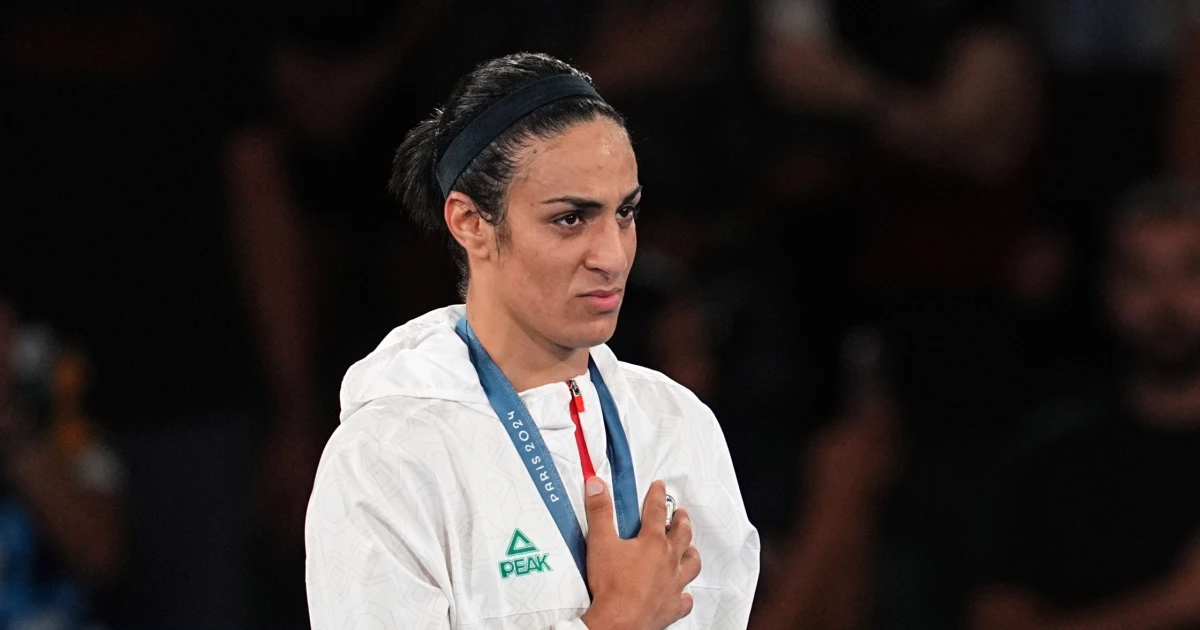
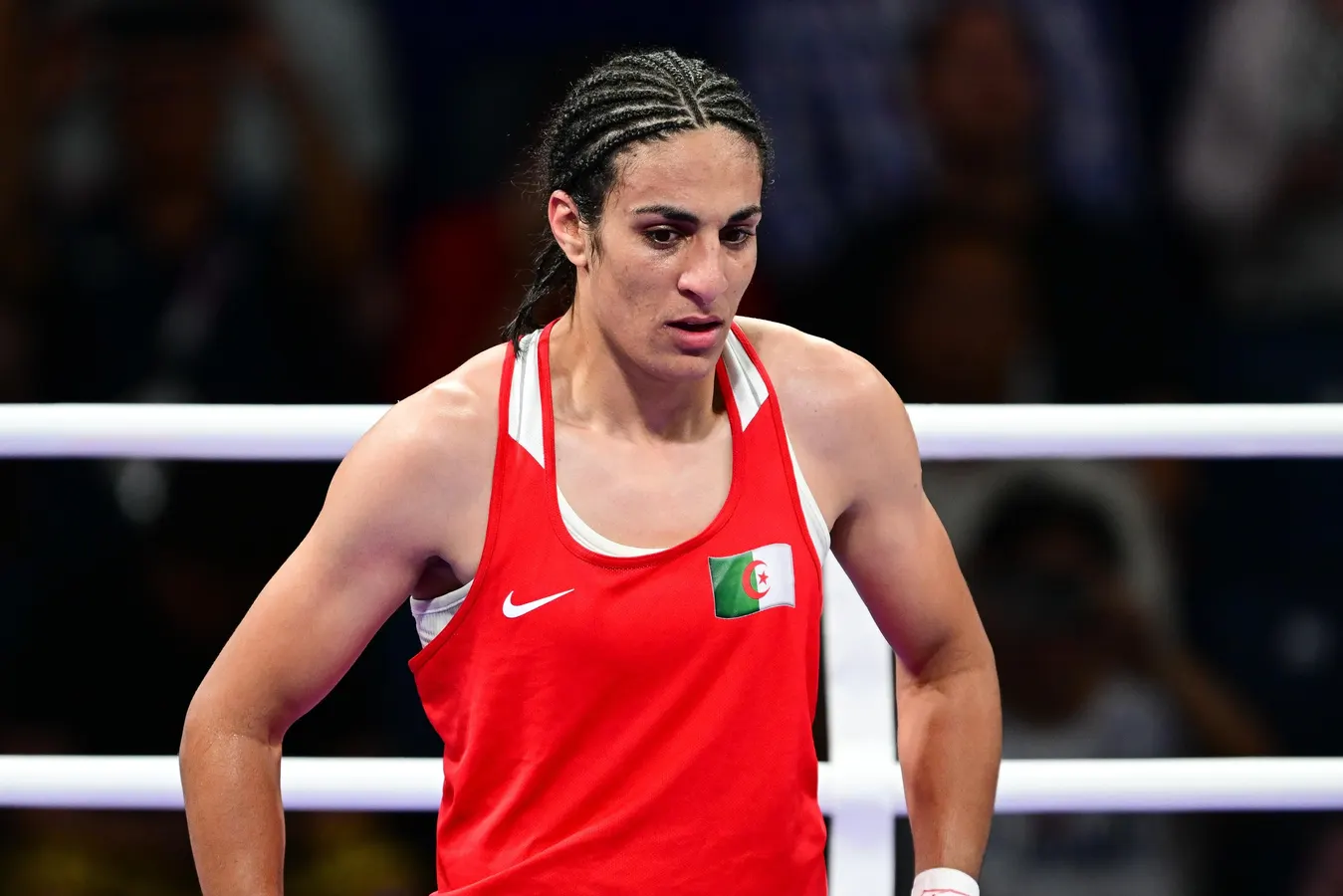
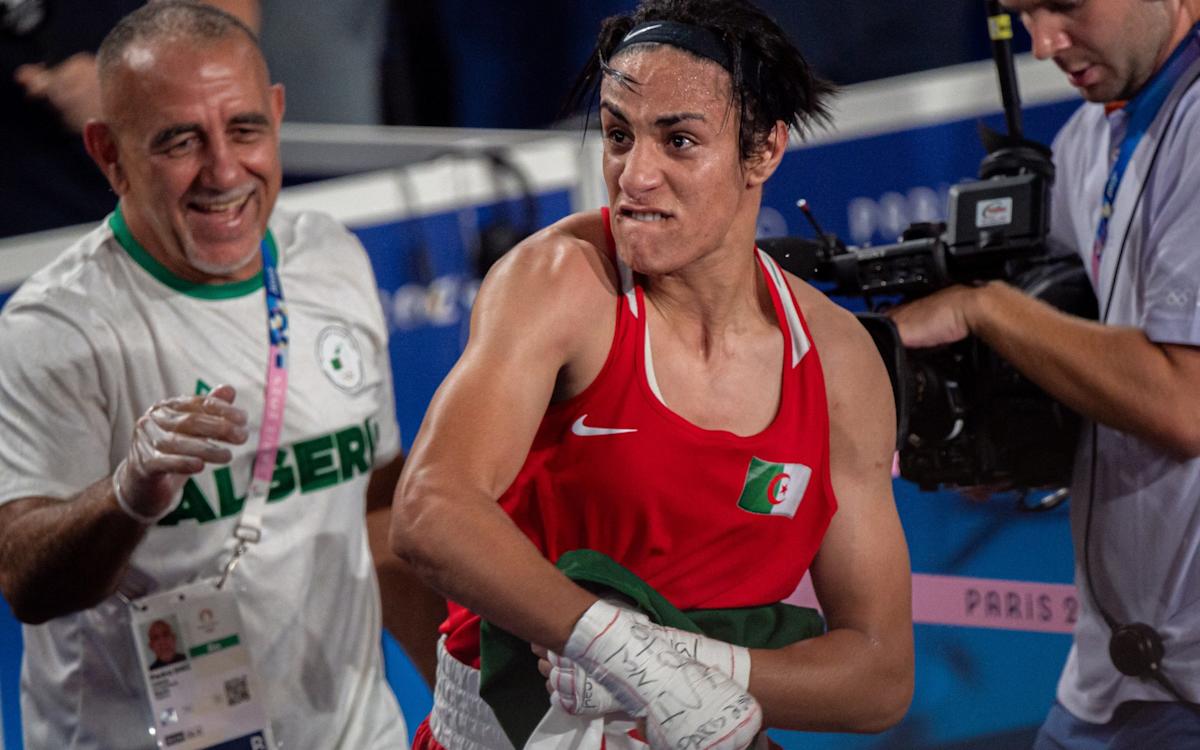
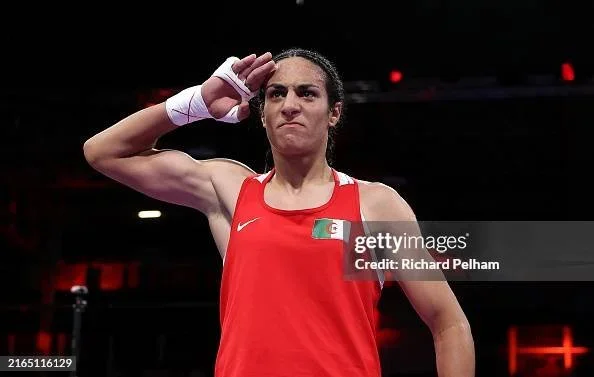
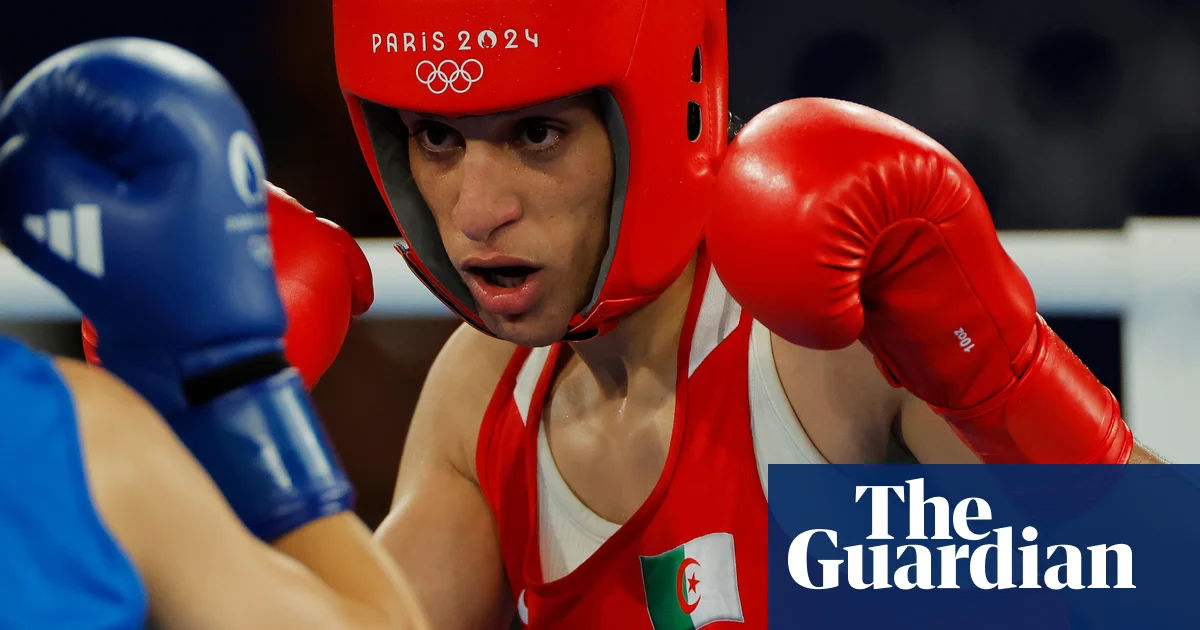
Algerian boxing gold medalist Imane Khelif confirms she has an XY chromosome, calls it natural, and says she is open to World Boxing’s mandatory sex test for future events, including the 2028 Los Angeles Games; she previously resisted chromosome testing and legally challenged the policy, including hormone‑treatment claims and a CAS appeal.
World Athletics has introduced SRY gene testing to verify biological sex in female athletes, citing data that shows 50-60 athletes with differences of sex development (DSD) have been finalists in major competitions since 2000, raising concerns about fairness and integrity in women's sports.
Olympic boxing champion Imane Khelif has appealed a World Boxing decision requiring her to undergo genetic sex testing to compete in upcoming events, after previously winning gold at the Paris Olympics and facing eligibility disputes. The Court of Arbitration for Sport dismissed her request to suspend the ruling, and Khelif plans to defend her title at the LA Games amid ongoing debates over gender eligibility standards in sports.
Olympic boxing champion Imane Khelif skipped the Eindhoven Box Cup after World Boxing announced mandatory sex testing for athletes, which she was required to undergo but did not register for, leading to her exclusion amid controversy over gender eligibility policies.
World Boxing apologized after publicly naming Olympic gold medalist Imane Khelif in a mandatory sex testing announcement, acknowledging that her privacy should have been protected. The organization had stated that Khelif might not compete in the female category until she undergoes a genetic test, but the president personally apologized for the breach of privacy. The testing involves PCR genetic tests, and the incident highlights ongoing gender-eligibility issues in sports.
World Boxing apologized after mistakenly including Olympic gold medalist Imane Khelif in a new policy mandating mandatory sex testing for boxers, which sparked controversy and privacy concerns. The organization clarified that her privacy should have been protected and acknowledged the mistake, amid ongoing debates about gender verification in sports.
World Boxing apologized after Olympic gold medalist Imane Khelif was specifically mentioned in a new policy mandating sex testing for boxers, which raised privacy concerns; the organization clarified that her privacy should have been protected and outlined plans for mandatory genetic testing to determine sex at birth for competitors.
World Boxing apologized after publicly naming Olympic gold medalist Imane Khelif in a new sex testing policy announcement, amid controversy over her gender eligibility following leaked chromosome test reports suggesting male markers, which have sparked widespread social media debate and criticism from figures like J.K. Rowling and Riley Gaines.
A leaked medical report suggests that boxer Imane Khelif is biologically male, based on chromosome analysis, raising questions about her eligibility in women's boxing and prompting responses from sports authorities and international organizations.
The article discusses the controversy surrounding Imane Khelif, an Algerian boxer with XY chromosomes, who competed as a woman and is now subject to mandatory sex testing by World Boxing, amid broader debates about gender identity, biological sex, and fairness in sports. The IOC's handling of the case, including its recognition of Khelif's gender identity despite biological evidence, highlights ongoing conflicts over gender policies in sports.
Imane Khelif, an Olympic gold medalist, is required by World Boxing to undergo mandatory sex testing to compete in women's events, as part of new policies to ensure fair competition and athlete safety, amid ongoing controversy over her gender eligibility.
The history of sex testing in the Olympics has disqualified numerous athletes, often in secrecy, based on unscientific and subjective standards. This practice has not only barred high-profile athletes like Caster Semenya but also discouraged countless others from pursuing sports careers. The policies have enforced a strict gender binary, impacting intersex and trans women disproportionately and shaping the landscape of competitive sports.