Electrek's survey of about 2,700 readers finds a mostly noncommittal mood about whether Ford's $30k Fathom will derail Slate Auto, but several comments warn Ford's dealer network could backfire and chill Slate orders, illustrating how Ford's announcement might plant a waiting game and pressure Slate even if Fathom isn't launched yet.
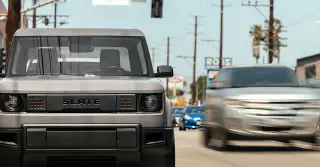
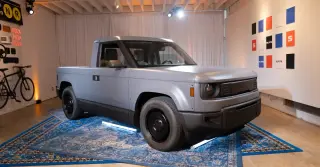
Slate Auto unveiled a minimalist electric pickup priced around $25,000 (before destination charges) with manual windows and a single color, selling directly to customers to prove affordability can coexist with EVs, but it faces a tough path to scale to its ambitious 150,000 annual sales amid competition from Rivian and Lucid.
America’s EV transition faces an affordability squeeze even as Slate Auto launches a $24,950, stripped-down pickup to compete; US new-vehicle prices jumped by about $11,000 to an average of $48,402, with under-$25k cars making up fewer than 5% of last year’s sales. Meanwhile, China is pushing cheap EVs in formats US buyers can’t access, and BYD is delivering affordable, long-range models abroad. Experts warn the US risks ceding EV leadership to Beijing unless prices come down, though there is cautious optimism that cheaper, accessible models could rekindle US adoption.
Slate Auto’s electric pickup now starts at $24,950 (SUV version $29,950). The much-discussed sub-$20,000 price lives on only for a small group of buyers who meet strict, income-based state incentives and, in some cases, purchase through an in-state dealer. With the federal $7,500 credit repealed, most of the remaining discounts depend on generous but limited-state programs (California’s up to $12,000 via Clean Cars 4 All for low-income households; Maine up to $8,000; Oregon’s Match/Charge Ahead program, paused and then reopening), plus funds that can run out mid-cycle. Slate’s direct-sales model can also affect eligibility in certain programs. In practice, the truck starts around $25k before taxes and fees for most buyers, with only a few states and circumstances yielding teen-dollar savings—making the “under $20k” headline applicable to a highly restricted audience. Delivery is targeted for late 2026.
Slate Auto’s American-made electric pickup finally has a price: $24,950, not under $20k as once promised, but still the least expensive truck and EV in the US. Preorders go live now with a $300 non-refundable deposit to lock in a delivery date, production is slated for autumn 2026 and deliveries start in late 2026. Slate claims roughly 180,000 reservations to date.
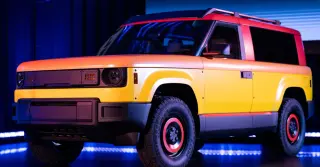
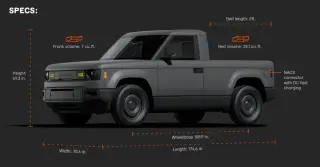
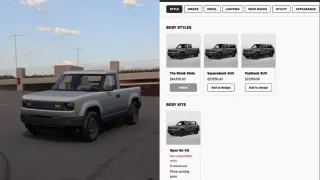
Ars Technica tests Slate Auto's online configurator and finds a base Blank Slate electric pickup starting at $24,950 (before taxes and fees) with a 63 kWh usable pack, 181 hp rear motor, and an EPA range around 205 miles; the configurator offers DIY-friendly options that can keep a sub-$30k work-truck build, two two-door SUVs (Squareback and Fastback) around $30k–$32k, and a fully optioned build climbing toward the high $30k range (roughly $36k–$37k) with wraps and add-ons, though not all option prices are available yet.
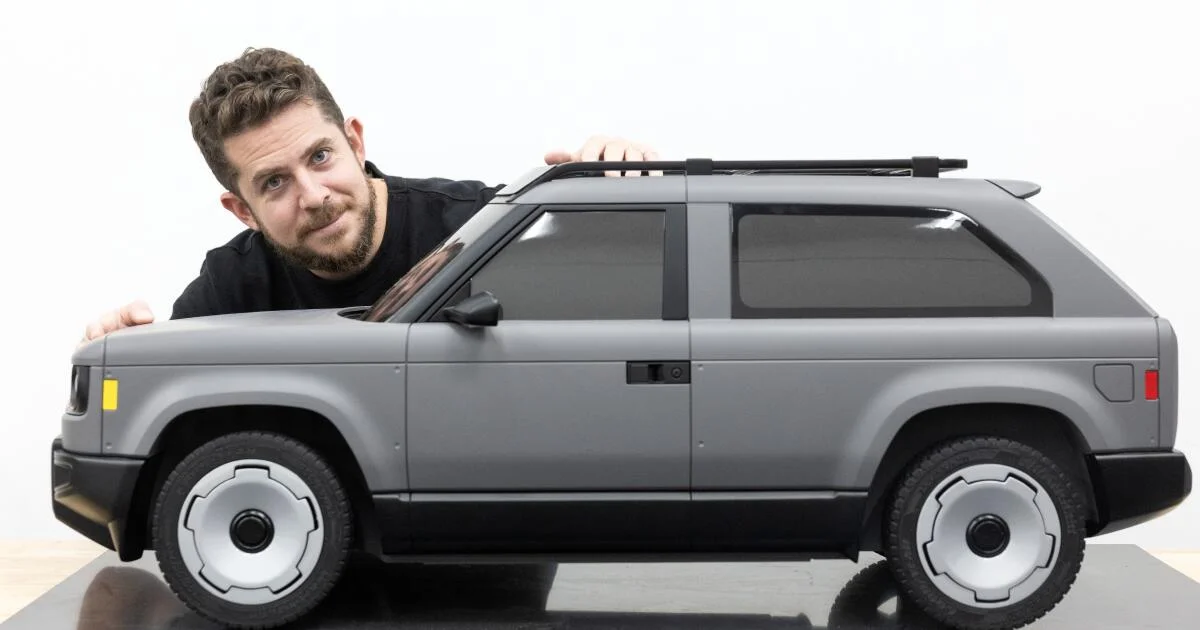
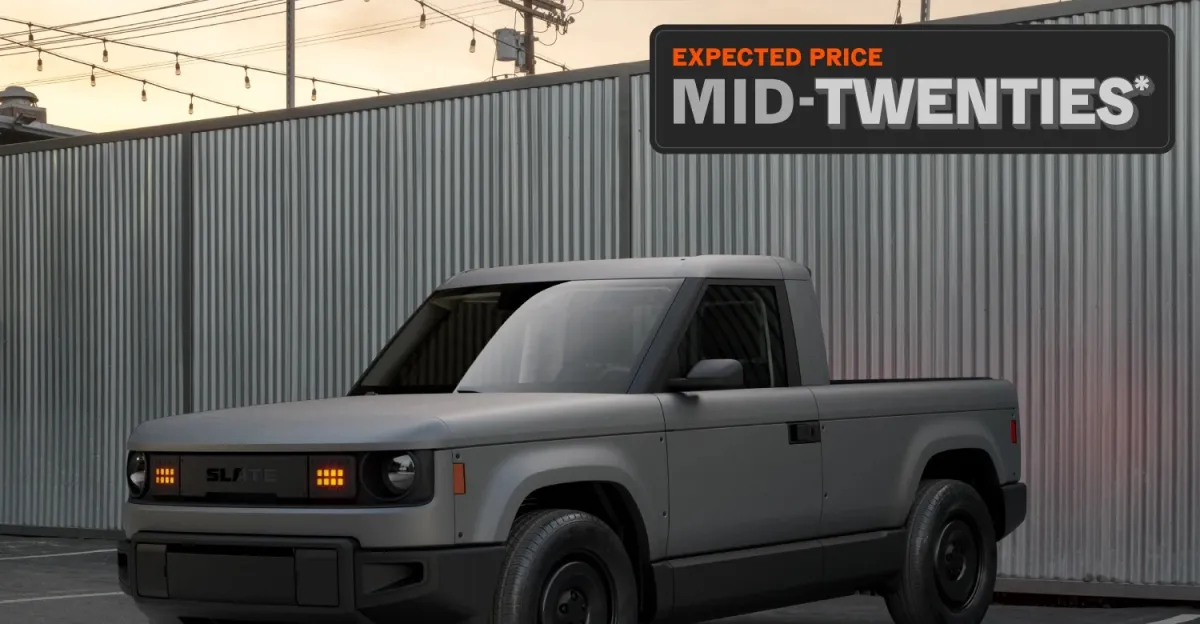
Bezos-backed Slate Auto raised $650 million in a Series C led by TWG Global to accelerate production of its minimal, modular Slate Truck, a budget-priced electric pickup expected to start in the mid-$20,000s with first deliveries later this year. Slate has 160,000 reservations for the two-seat truck that omits paint, power windows, a radio, and infotainment, instead offering accessories and a kit to convert it into a five-seat SUV. Production will occur at a $400 million factory in Warsaw, Indiana, with the company projecting over 2,000 jobs and up to $39 billion in economic impact over 20 years; preorder timing is set for June 2026.
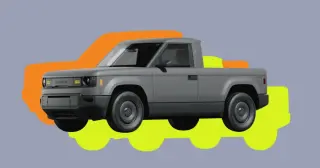
Slate Auto is developing America's cheapest EV truck, targeting a $25,000 price point by offering a basic, customizable vehicle with minimal features and optional upgrades, aiming to boost EV adoption despite a challenging market environment. The company leverages a design studio in Long Beach and plans to start deliveries in late 2026, betting that affordability and customization will attract a new segment of EV buyers.
Slate Auto's affordable electric pickup, previously priced under $20,000 with federal tax credits, has increased to mid-twenties due to the repeal of EV tax credits by a new law signed by Trump, impacting the company's pricing and market strategy.
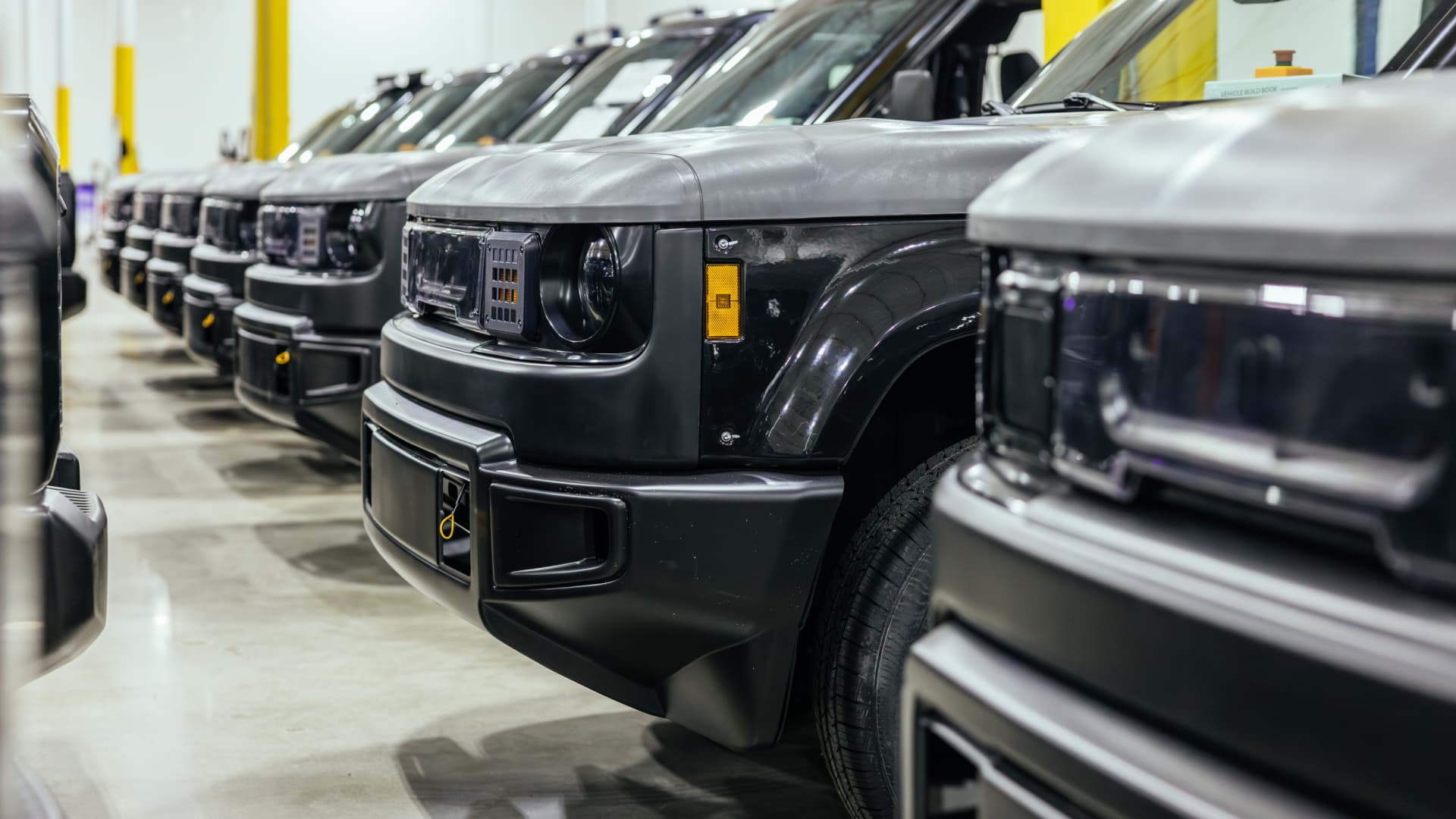
Slate Auto, an EV startup backed by Jeff Bezos, is developing a modular, stripped-down electric pickup truck with a focus on affordability and simplified manufacturing, currently in beta production in Michigan, with plans for mass production in Indiana. Despite innovative ideas and significant reservations, the company faces challenges including market demand, competition, and scaling production, as it aims to deliver affordable EVs with minimal features and high customization options.