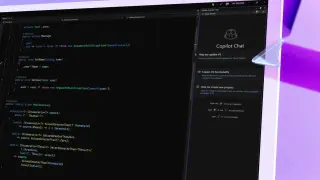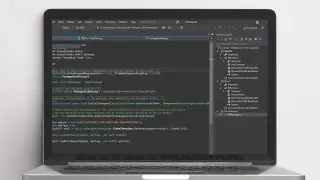
Microsoft Visual Studio Professional 2026 is on sale for $29.97 (regularly $499) through Aug 23, 11:59 p.m. PT, highlighting AI-assisted coding, hot-reload, and cross-platform development with .NET MAUI, Blazor, .NET and C++, plus collaboration features like CodeLens and Live Share in a 64-bit IDE.
Linus Torvalds declares AI a useful tool in Linux development and will not back away from AI integration in the kernel, telling critics they can fork the project if they disagree. He’s echoed by other maintainers who see AI-assisted patches as increasingly real and valuable, signaling that AI is here to stay in open-source Linux development.
Perplexity is quietly developing an internal AI coding tool called Teammate, in use by engineers since May to own projects, investigate issues, and monitor services. If released publicly, it would position Perplexity in the AI-coding race against Cursor, Anthropic, and OpenAI; the tool is model-agnostic and aimed at long-horizon software work like debugging and maintenance.
Cursor data shows a rising share of AI-generated code changes reaching production without a separate human review in the past six months, signaling growing developer trust in AI to handle larger portions of software development. While quality metrics aren’t fully measured, AI-produced changes are surviving at higher rates, hinting that AI coding is becoming more reliable and could reduce the need for manual review, with implications for workflows and human roles.
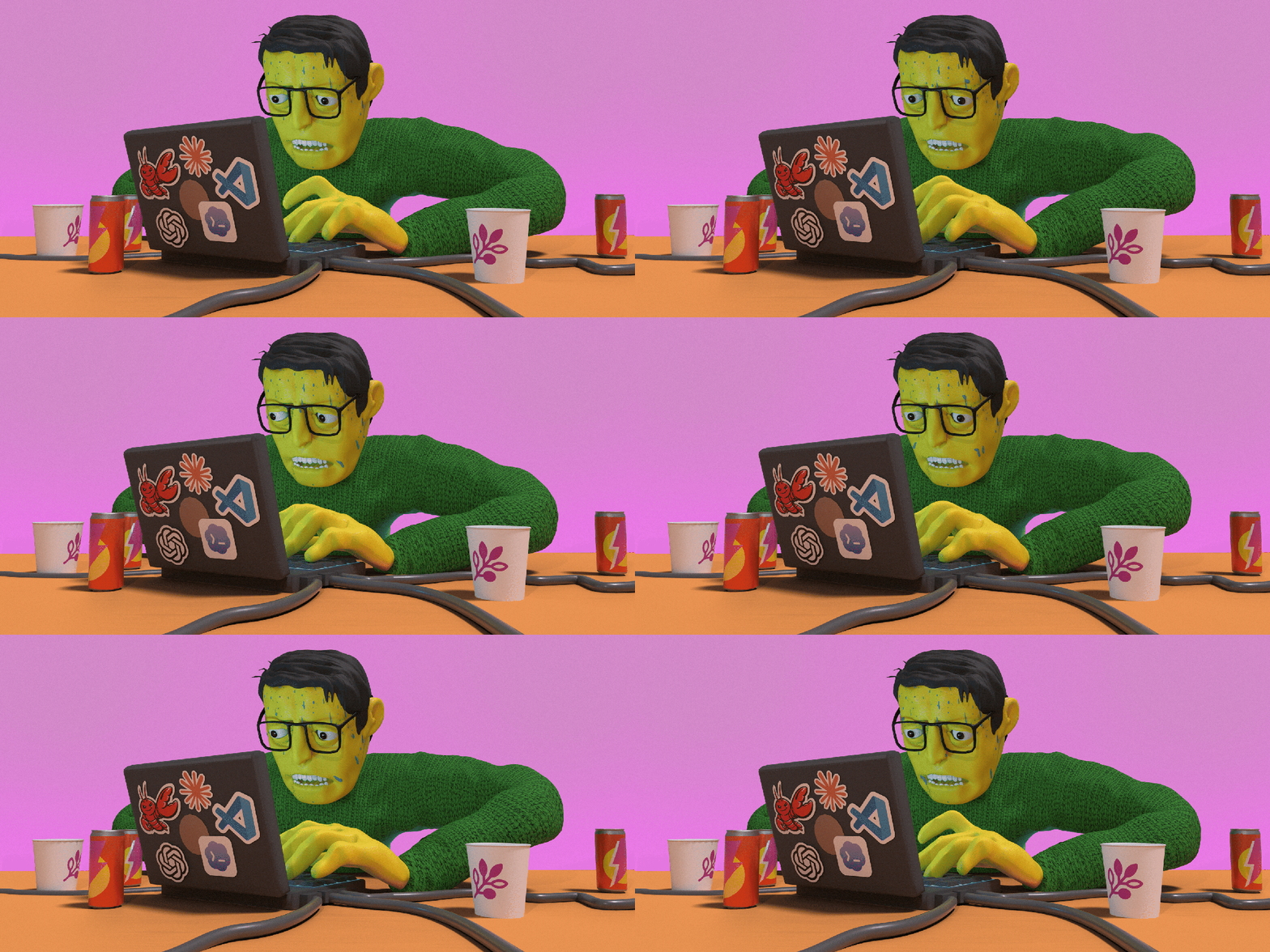
A Business Insider piece tracks how the rapid surge of AI tool releases—from 18 major tools in 2023 to 69 in 2025 and more in 2026—has both energized and overwhelmed software engineers. The flood of new models creates anxiety and a sense of ‘paralysis’ as workers race to keep up, worry about job security, and confront shifts toward higher‑level tasks or even pivots to other roles. At the same time, some developers report fewer bugs, greater product involvement, and a willingness to share learning to ride the AI wave. Employers increasingly monitor AI use and set expectations, underscoring AI’s transformative, and sometimes destabilizing, impact on the craft of coding. Experts frame this as a “Great Coding Reset” reshaping the future of software work.
Google employees on an internal meme board mock AI-driven coding and highlight bottlenecks in human code review and infrastructure, even as leadership touts AI-generated code; concerns about productivity and burnout persist, with Google stating humans should remain in the loop and promising ongoing tool refinement (story updated with additional comment).
Microsoft is piloting a Windows K2 initiative that shifts Windows 11 development from rapid feature updates to a quality-first approach, using insider feedback, telemetry, and customer focus groups to improve performance, reliability, and usability. Expected changes include a faster Start menu, improved File Explorer, and a more seamless Windows Update designed to reduce bugs and monthly restarts, with the goal of matching SteamOS performance within a year or two and a long-term, ongoing effort.
Cybersecurity experts warn that Anthropic’s Claude can generate code with vulnerabilities, underscoring the risk of relying on AI for production software without thorough review. The piece emphasizes the need for rigorous auditing and secure coding practices when AI assists with coding to prevent exploitable flaws in real-world applications.
Morgan Stanley’s report argues that generative AI accelerates software creation but raises demand for senior engineers to architect, validate, and integrate AI-driven workflows. Rather than a broad reduction in developers, AI shifts bottlenecks downstream to review, testing, security, and release, enabling more projects and signaling sustained demand for infrastructure and platform software in an AI-augmented development era.
Cursor rolled out Glass, a new orchestration layer to manage parallel AI coding agents; OpenAI released a codex-plugin-cc for Anthropic’s Claude Code, enabling Codex to run as a subagent inside Claude Code; and Codex can review Claude output via a cross-provider review gate. The three launches demonstrate a composable AI-coding stack—distinct layers for orchestration, execution, and review—rather than a single merged product. This pattern mirrors traditional dev-tool stacks and signals interoperability as a core trend for the AI-coding era, backed by Claude Code’s popularity and Codex’s large user base.
New research using official labour statistics corroborates private payroll data, showing about half a million fewer coders today than pre-LLM-era trends. The 'bundles of tasks' framework explains why junior and contractor coding jobs are more exposed to AI displacement, while senior developers and domain experts resist as AI automates lower-value tasks and multiplies the rest, implying a widening divide in white-collar work as AI capabilities grow.
BCG researchers describe 'AI brain fry' as a new cognitive load from supervising multiple AI agents and long prompts, especially for developers who must oversee AI-written code; while some findings suggest AI can reduce burnout by handling repetitive tasks, over-reliance risks wasted compute and missteps without vigilant human review; experts urge clear limits on AI use to protect well-being and maintain quality.
Agoda argues that AI coding assistants raise individual developer throughput but have limited impact on project velocity because bottlenecks have shifted upstream to specification and verification, prompting a move toward spec‑driven, ghosted‑box (grey‑box) workflows and a rethinking of team structure and accountability.
Anthropic is adding autonomous on-device task execution to Claude via Code and Cowork for macOS, letting the AI open files, browse, and control apps with explicit user permission. Access is a research preview for Claude Pro/Max, requiring the Claude desktop app (paired with the mobile app) and depending on service connectors, though it can operate by directly controlling the browser, input devices, and display when necessary; complex tasks may need retries and aren’t guaranteed to be perfect.
Researchers warn that AI-driven 'vibe coding'—AI-selected, low-effort code contributions that bypass human review—could erode maintainer incentives, reduce documentation and bug reporting, and drive a decline in OSS availability and quality as maintainers close external contributions.