At a Charlotte training facility, Atlanta Dream players wore sensors, force plates, and dozens of cameras to map every movement and shot detail, illustrating basketball’s shift toward biomechanical, data-driven training in an elite laboratory setting.
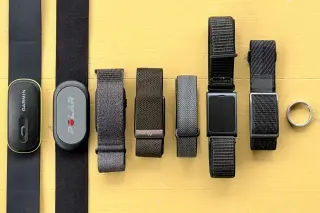
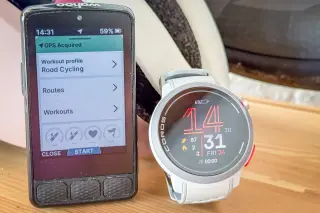
Wahoo Fitness and COROS announced a software-focused partnership to enable two-way data sharing between their apps, including workouts syncing in both directions and COROS watch data populating in Wahoo’s app. COROS watches will directly pair with the KICKR RUN via a new Bluetooth channel for faster, more accurate data (including cadence and ground contact time). Wahoo will start selling certain COROS watches on its site, and there are plans to add structured workouts and routes syncing in the future. No hardware mergers are planned—only software integration for now, with some potential long-term ecosystem effects against Garmin.
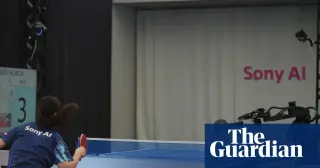
Sony AI's Ace, a mobile eight‑jointed table‑tennis robot, used cameras and simulations to master spin and fast reflexes, winning three of five matches against elite players but losing the two against professionals, securing just one game in seven contests. The achievement, published in Nature, marks a milestone for robotics while highlighting ongoing engineering challenges.
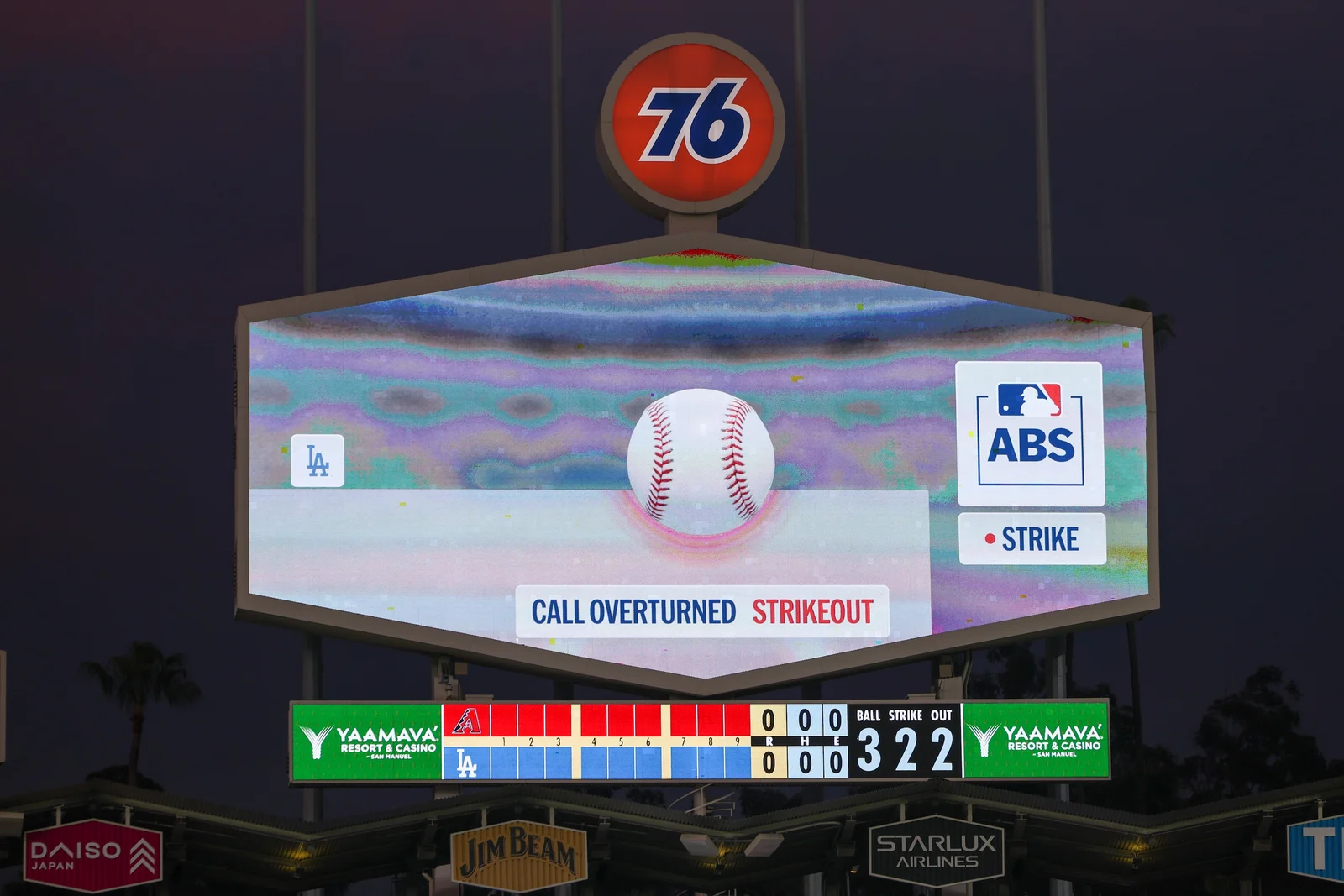
A Defector column argues MLB’s automated ball-strike challenge (ABS) could become entertaining theater, emphasizing its quick ~15 second resolution and limited impact on game length, while also wondering how teams and players will actually deploy and respond to challenges.
USA TODAY Sports tested Microsoft Copilot on a 2026 NFL first-round mock draft. The AI initially produced an incorrect order and even invented players, but after re-prompts it delivered a draft with the official order and players eligible for 2026. Despite some odd picks (such as a late‑round QB to the Patriots), the exercise shows AI won’t soon replace human mock drafters.
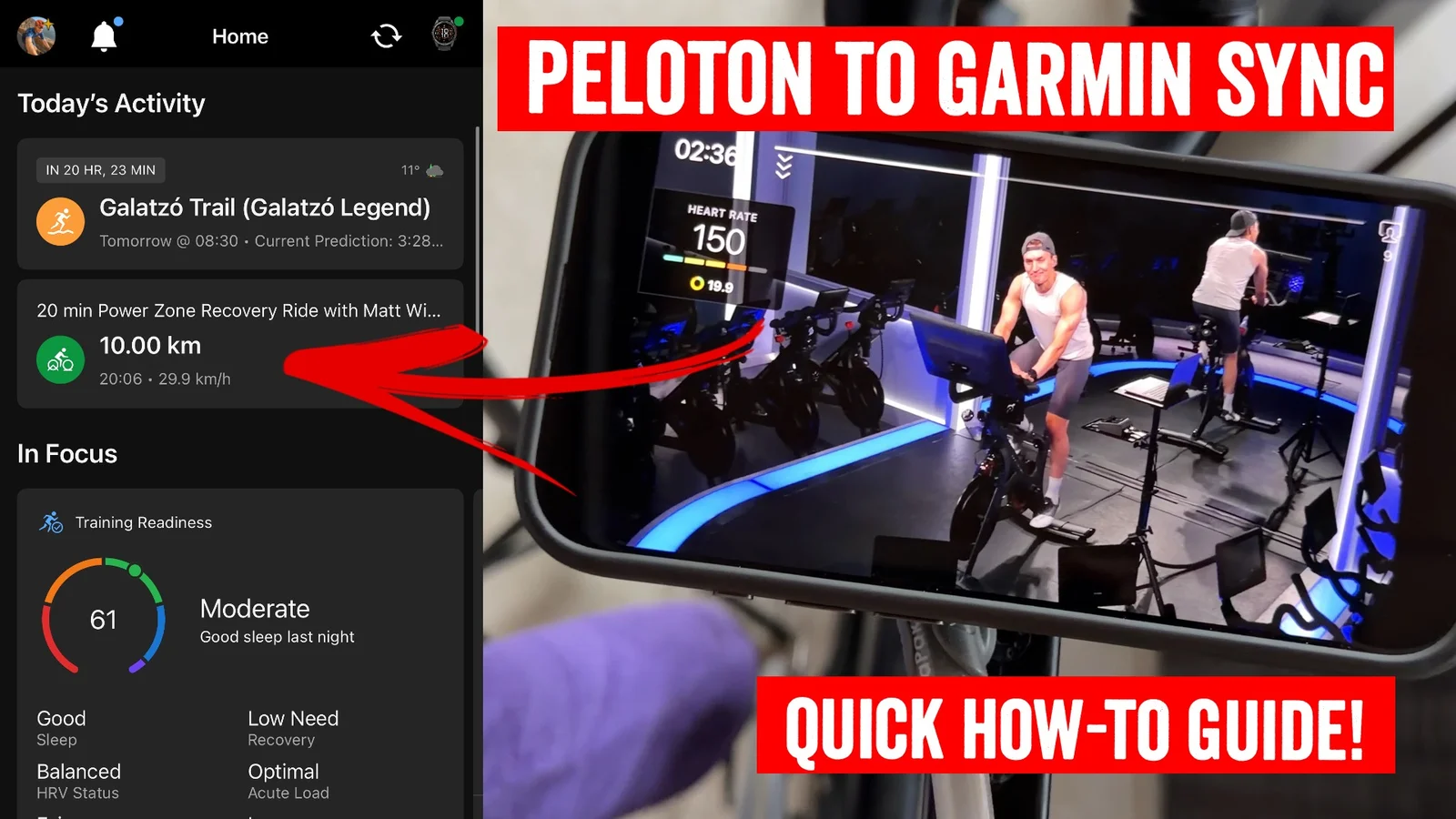
Peloton workouts can now automatically sync into Garmin Connect, bringing Peloton data (distance, duration, heart rate, cadence, power on Bike, calories, training load/effects) to Garmin metrics and your watch. Setup is via the Peloton app: Settings > Connected Apps & Devices > Garmin Connect, then authorize. Completed Peloton workouts (on Bike, Tread, or app) push to Garmin Connect and update metrics like Training Status and Recovery. Power data may depend on device, and calorie numbers can differ slightly. Previously Garmin→Peloton was possible; this enhances security by avoiding third‑party apps and streamlining data flow.
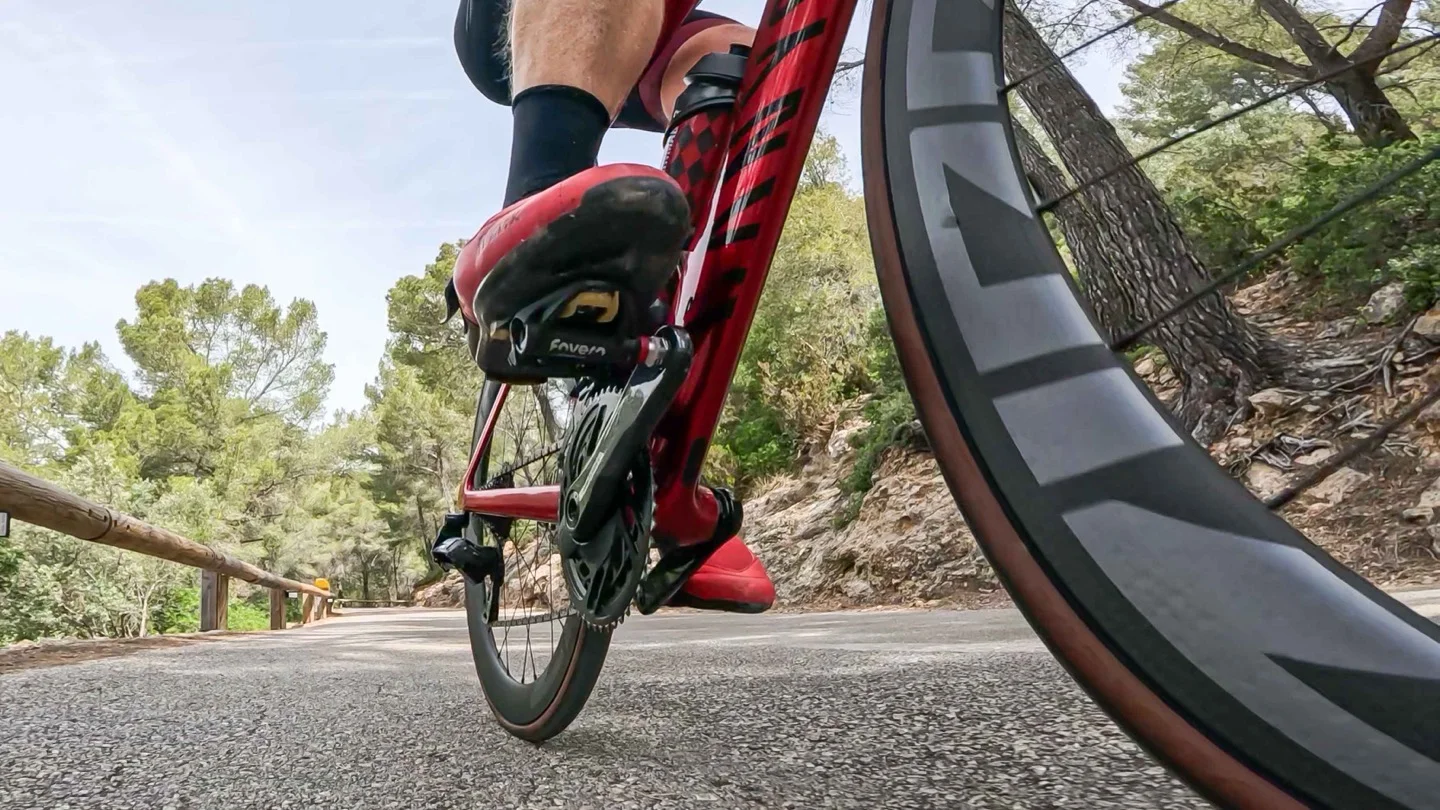
Favero has released a firmware update for its Pro RS and Pro MX power meter pedals that more than doubles battery life from about 60 hours to 160 hours. The update takes around 3 minutes via the Favero app and a simple pedal calibration, and is achieved through algorithm and code optimization without noticeably affecting signal strength. Favero notes the improvement comes after extensive testing, with users encouraged to try the update and report results.
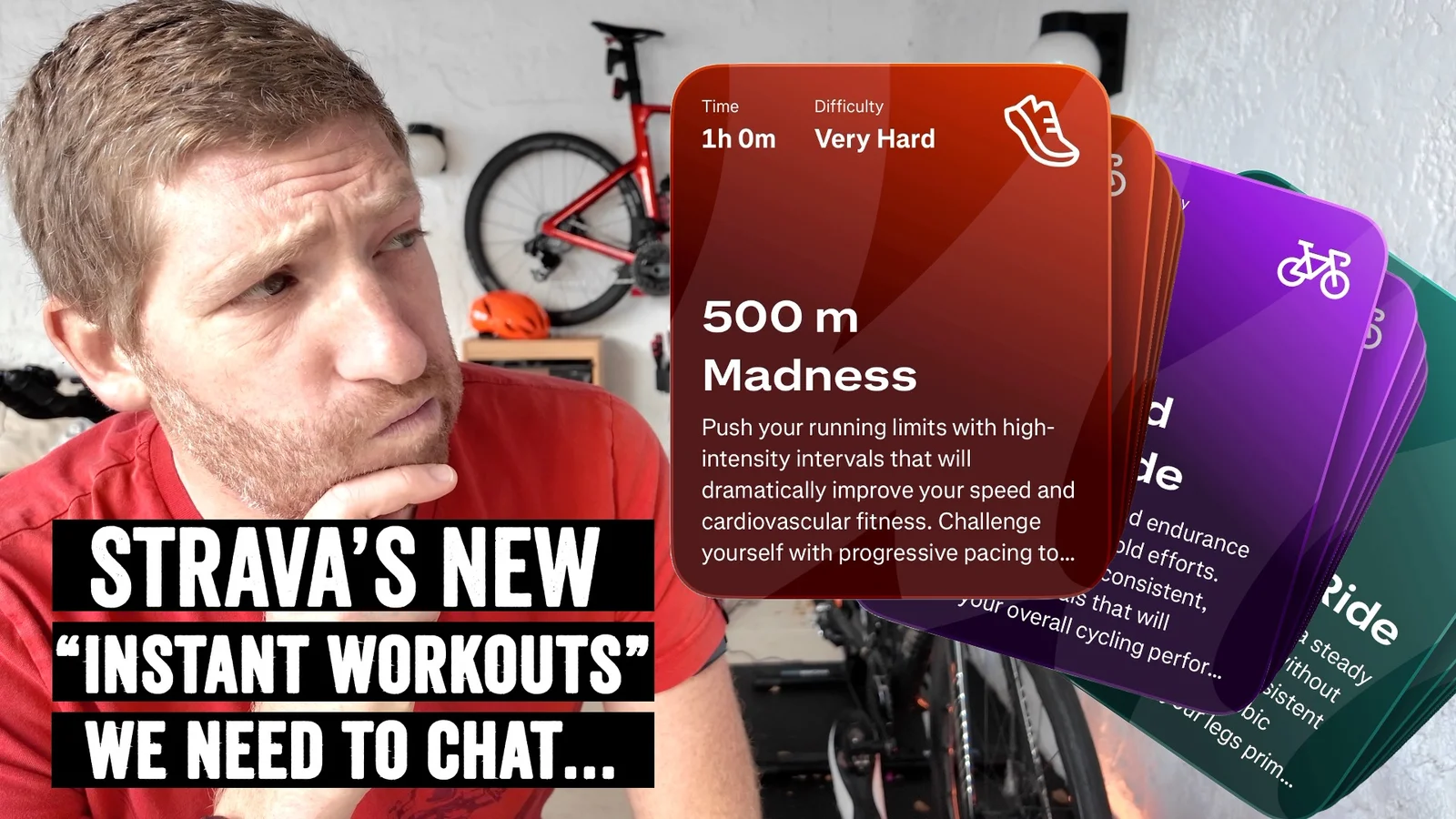
Strava’s Instant Workouts aims to deliver five weekly workouts across four categories with auto route suggestions, leveraging Runna data and subscription access. In practice, the feature is hampered by wonky pace estimates (often based on outdated data), impractical route ideas (such as looping around a block), and a lack of push-to-device support, with Garmin/Apple integration promised but uncertain. It has real potential to differentiate Strava if it fixes routing accuracy and adds seamless device syncing.
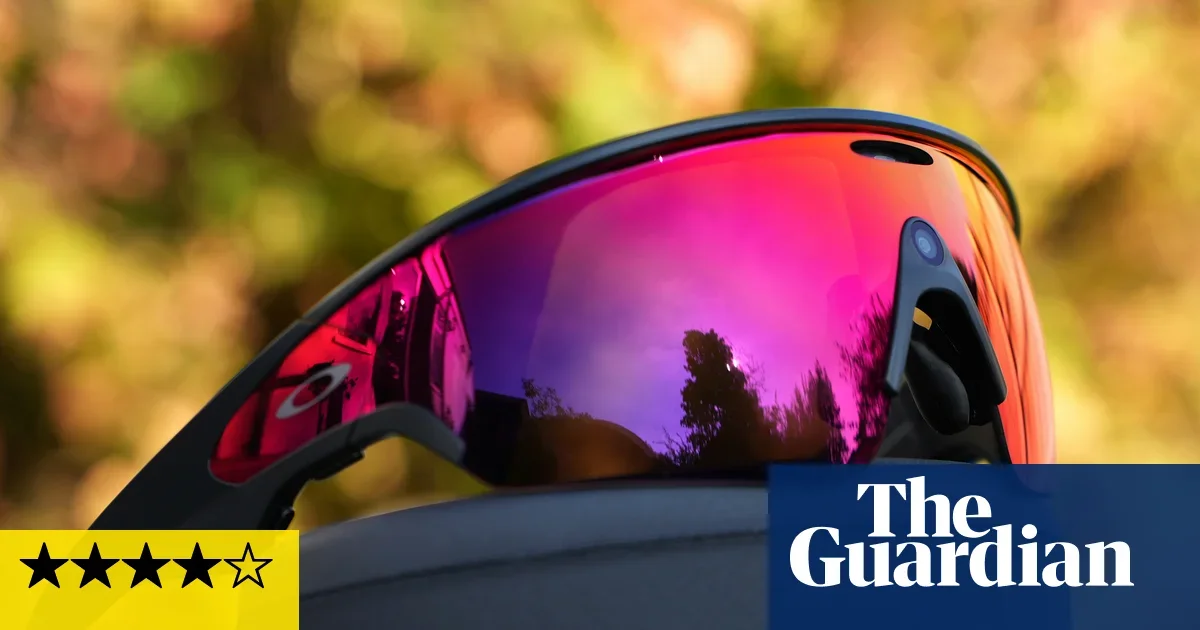
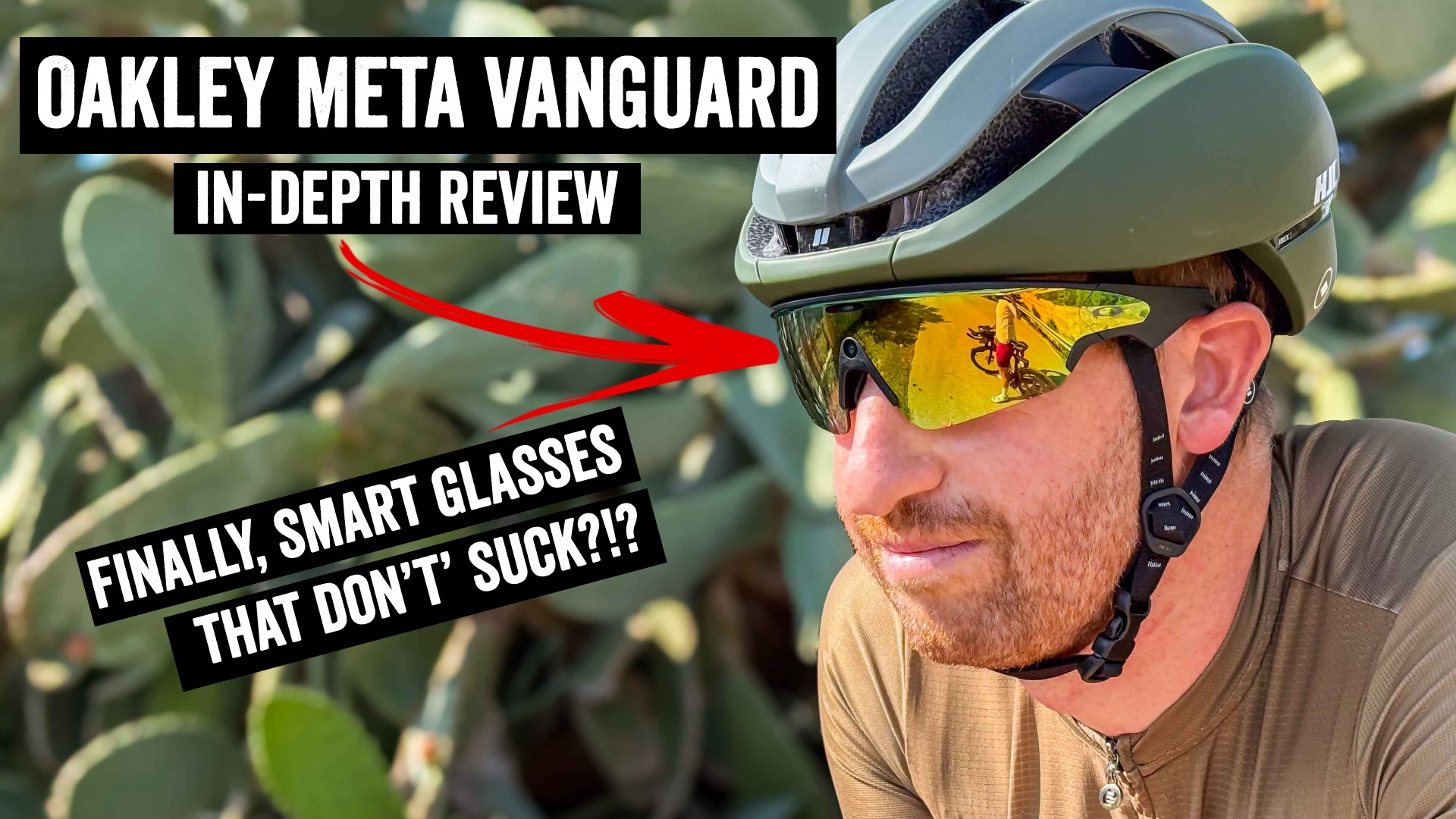
The Oakley Meta Vanguard are high-end displayless AI glasses designed for sports, featuring excellent Garmin integration, a wind-blocking design, long battery life, and a built-in camera, but they are very expensive and unrepairable.
Nike is launching new 'neuroscience-based' shoes, the Mind 001 and Mind 002, embedded with foam nodes designed to stimulate the foot and activate the brain, aiming to enhance focus and performance, though scientific evidence is yet to be released.
Nike is developing a motorized sneaker called Project Amplify in collaboration with Dephy, aiming to enhance mobility for athletes and impaired users, as part of its broader push for innovation to regain market share amid competition from newer brands. The company also introduced shoes that stimulate the brain for better mental focus and a cooling sports jersey for the World Cup, signaling a focus on cutting-edge sports technology.
The Oakley Meta Vanguard glasses are a surprisingly effective and versatile device that serve as sunglasses with a camera, microphone, and speaker, replacing traditional action cameras like GoPro for many sports activities. They lack a display but excel in capturing high-quality photos and videos, integrating seamlessly with Garmin, Strava, and Apple Health for detailed workout data, and offering features like live translation and hands-free voice commands. Despite some quirks and limitations, they represent a significant step forward in smart sports eyewear, making them a compelling choice for athletes and outdoor enthusiasts.
Apple Vision Pro will feature live streaming of select LA Lakers NBA games in immersive 3D format for the 2025-26 season, offering a courtside experience with high-resolution, 180-degree stereoscopic video, enhancing sports viewing through advanced immersive technology.
Apple TV+ has integrated iPhone 17 Pros into its MLB broadcasts, using the phones for unique camera angles and shots that blend seamlessly with traditional broadcast equipment, showcasing the potential for smartphones to revolutionize sports coverage with high-quality, cost-effective imaging.
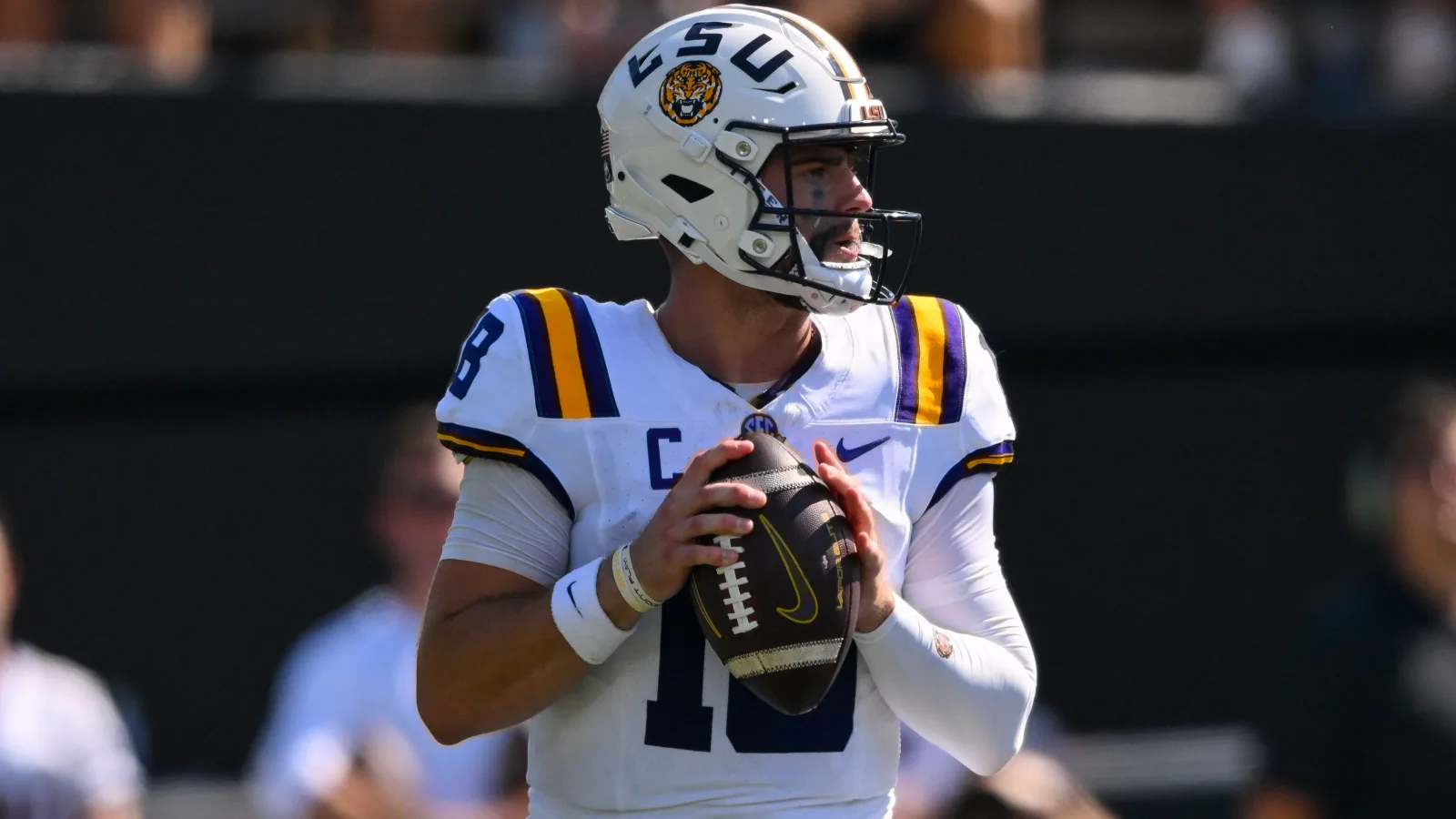
Microsoft will provide NFL teams with artificial intelligence tools to enhance in-game decision making, leveraging advanced technology to improve team strategies and performance.