Tag

Subglacial Brine

All articles tagged with #subglacial brine

Antarctica’s Blood Falls: Red Brine, Hidden Channels and a Microbial World
science1 month ago

Antarctica’s Blood Falls: Red Brine, Hidden Channels and a Microbial World

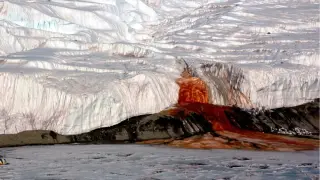
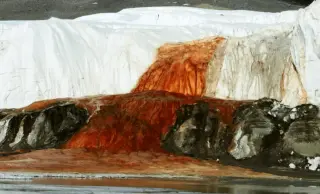
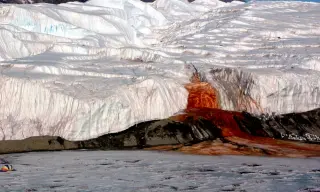
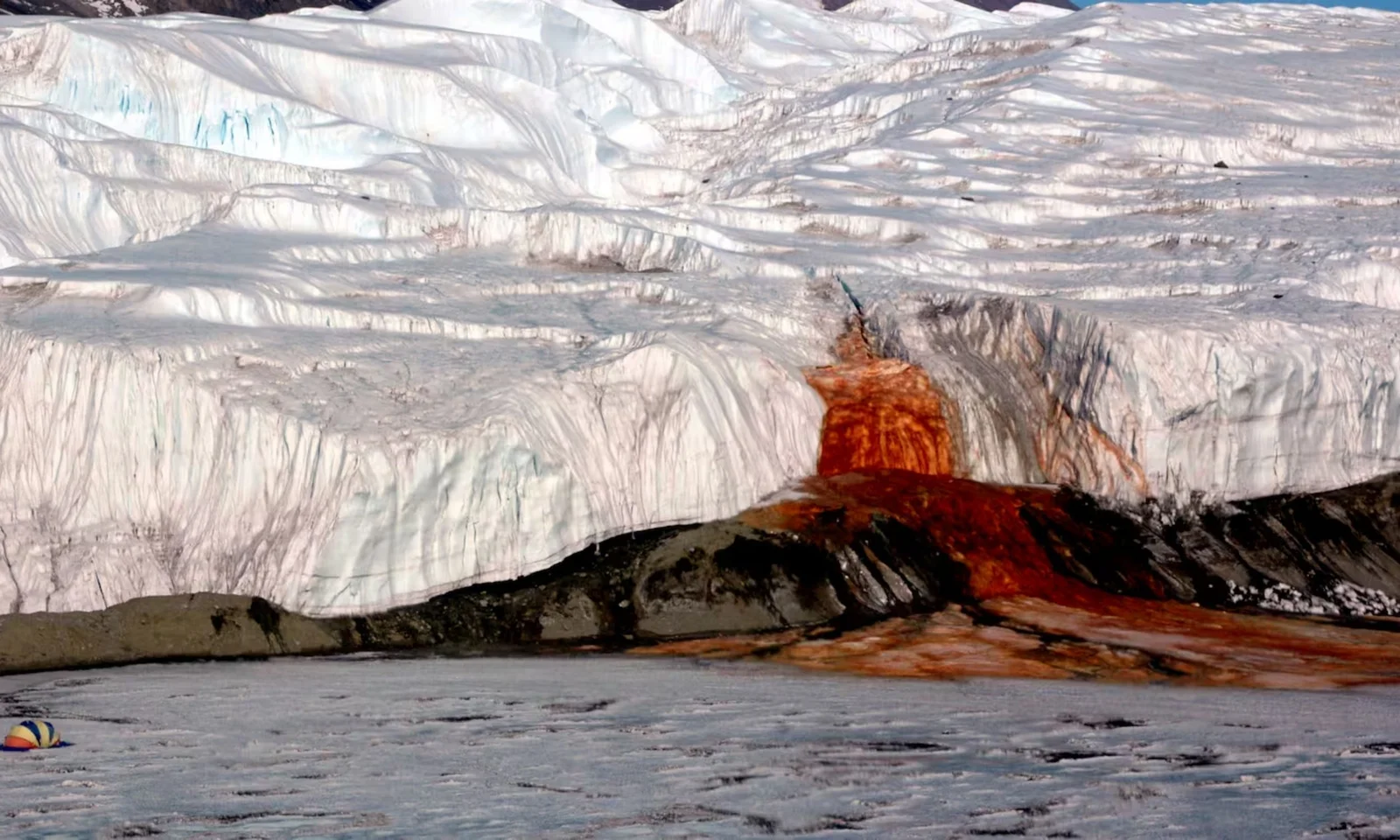
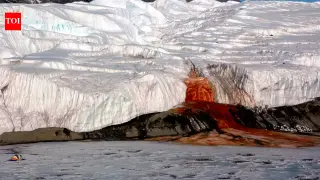
Blood Falls, a red, iron-rich brine seeping from Taylor Glacier, flows due to a network of hidden subglacial channels; the brine’s salt keeps it liquid and its release heats surrounding ice, while a sulfate-based microbial ecosystem thrives in the dark below, making the site a key analogue for life in icy worlds and a potential early-warning system for glacier dynamics.

Blood Falls Mystery Solved: Rust-Colored Water Traces Hidden Subglacial Brine Under Taylor Glacier
environment4 months ago

Blood Falls Mystery Solved: Rust-Colored Water Traces Hidden Subglacial Brine Under Taylor Glacier

Scientists have linked Antarctica’s Blood Falls red outflow to episodic subglacial brine drainage beneath Taylor Glacier, showing the rust color marks rapid pressure changes and hidden water movement under the ice, a process that briefly slows glacier flow and disturbs the adjacent lake’s stratification, revealing a millennia‑old brine system with implications for monitoring subglacial hydrology amid warming.

Blood Falls: Rusty Red Flow Unveils Subglacial Brine Drainage Under Taylor Glacier
environment6 months ago

Blood Falls: Rusty Red Flow Unveils Subglacial Brine Drainage Under Taylor Glacier

Scientists link Antarctica’s Blood Falls red plume to a subglacial brine drainage event beneath Taylor Glacier, showing the red water is a signal of pressure changes and hidden water movement under the ice. The discharge temporarily lowered surface ice velocity and disturbed lake stratification, highlighting a tight ice–rock–lake connection and suggesting expanded sensor networks for future study.

Antarctica’s Hidden Brine: Blood Falls Reveals a Subglacial Microbial World
science6 months ago

Antarctica’s Hidden Brine: Blood Falls Reveals a Subglacial Microbial World

Blood Falls, a blood-red plume at Antarctica’s Taylor Glacier, is not surface algae but a million-year-old briny reservoir beneath the ice that rises to the surface and oxidizes upon contact with air; this subglacial water hosts microbes thriving without sunlight, expanding our understanding of life's limits and suggesting analogs for life beneath icy worlds.