A Chilean startup, EcoFibra, is processing discarded clothing from the Atacama Desert into insulation panels for social housing. While the initiative offers a practical solution for toxic waste, it processes only eight tons daily against 40,000 tons of annual dumping, highlighting the limits of end-of-pipe recycling.
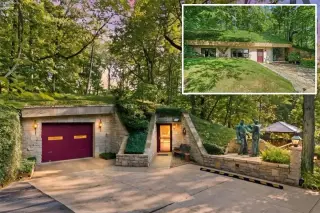
A 2,100-square-foot concrete home in Huron, Ohio, has listed for $850,000. Built in 1977, the structure is 90% underground with a grass-covered roof that requires mowing but eliminates the need for shingles, gutters, or siding. The interior features a traditional ranch layout with natural light, though one bedroom lacks windows. The property sits on eight acres with 250 feet of Huron River waterfront.
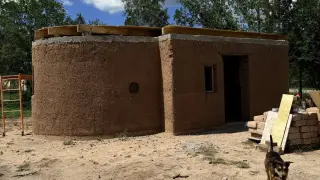
Sustainability advocates Arielle Crawford and Simon Gonzalez built a 500-square-foot cob home on five acres in Texas using non-toxic earth materials (clay, sand, straw, lime plaster). They founded Texas Cob to design, build, and restore earthen homes and offer cob-building courses through their nonprofit. The year-long project cost about $160,000 (70% labor) with 2-foot-thick walls that provide strong energy efficiency; the home includes AC, electricity, and plumbing, and permitting was eased by local earthen-building rules (they bypassed septic with a compost system). The couple emphasizes that cob homes can be modern, customizable, and insurable, challenging the Hobbit-house stereotype and highlighting lime plaster or limewash as practical finishes for wider adoption.
Michael Jantzen's Interactive Segmented House of the Future is a conceptual, adaptive dwelling with five movable modules that can rotate to optimize sunlight, wind, and rain collection, featuring environmentally responsive design and flexible interior spaces.
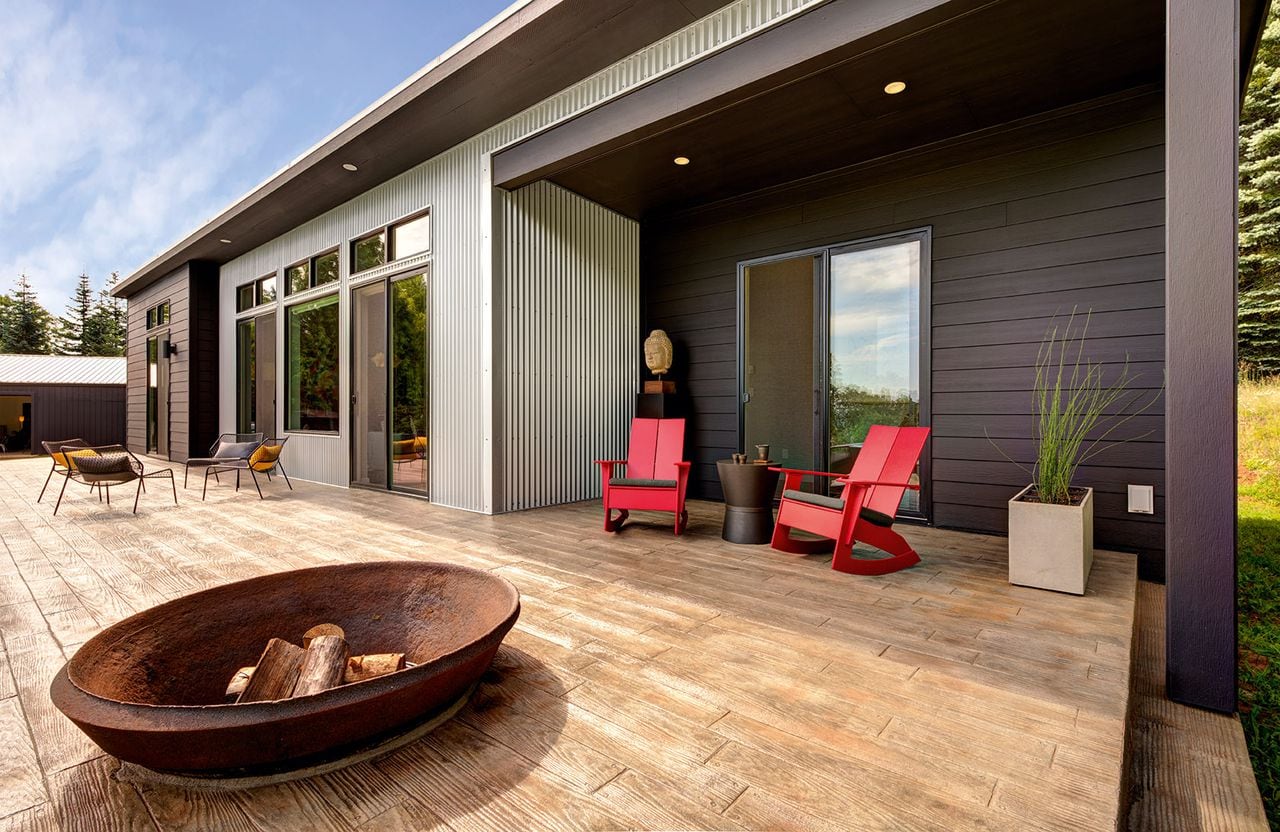
A couple in Newberg, Oregon, built a customized version of Ideabox's three-bedroom Fuse model, which was built in a factory and arrived on their property in two rectangular pieces. The modules were bolted together and later to the foundation, and the house was move-in ready in three weeks. Building in an enclosed factory with specialized equipment increases a home's energy efficiency, reduces construction waste, and improves working conditions for tradespeople. The cost of a prefab unit is more predictable than other types of construction, and modular homes are recognized as one of the fastest-growing segments of the residential building industry.