Tag

Swift Tuttle

All articles tagged with #swift tuttle

Perseids Peak Tonight Under Moonless Skies
space1 month ago

Perseids Peak Tonight Under Moonless Skies

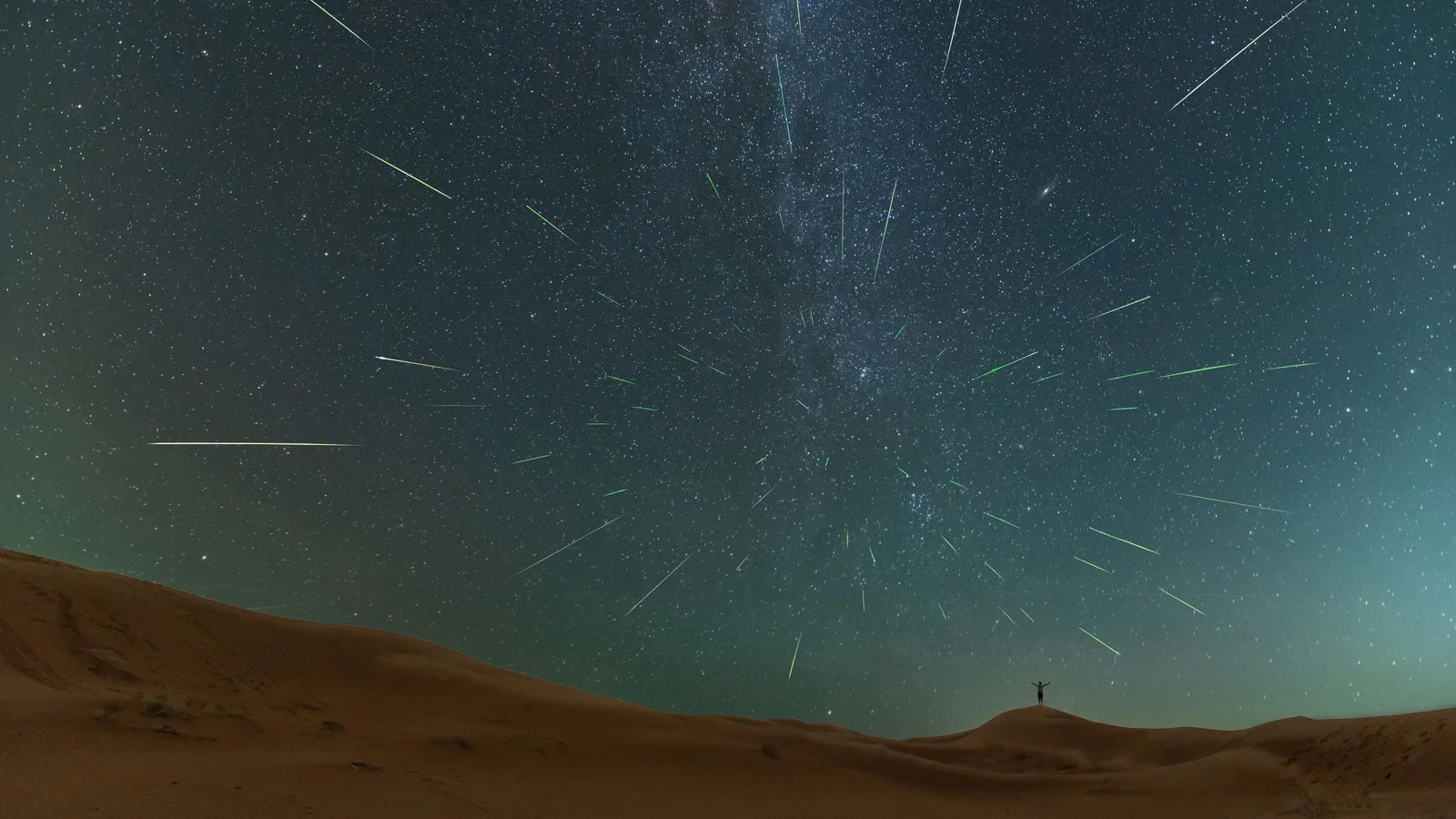
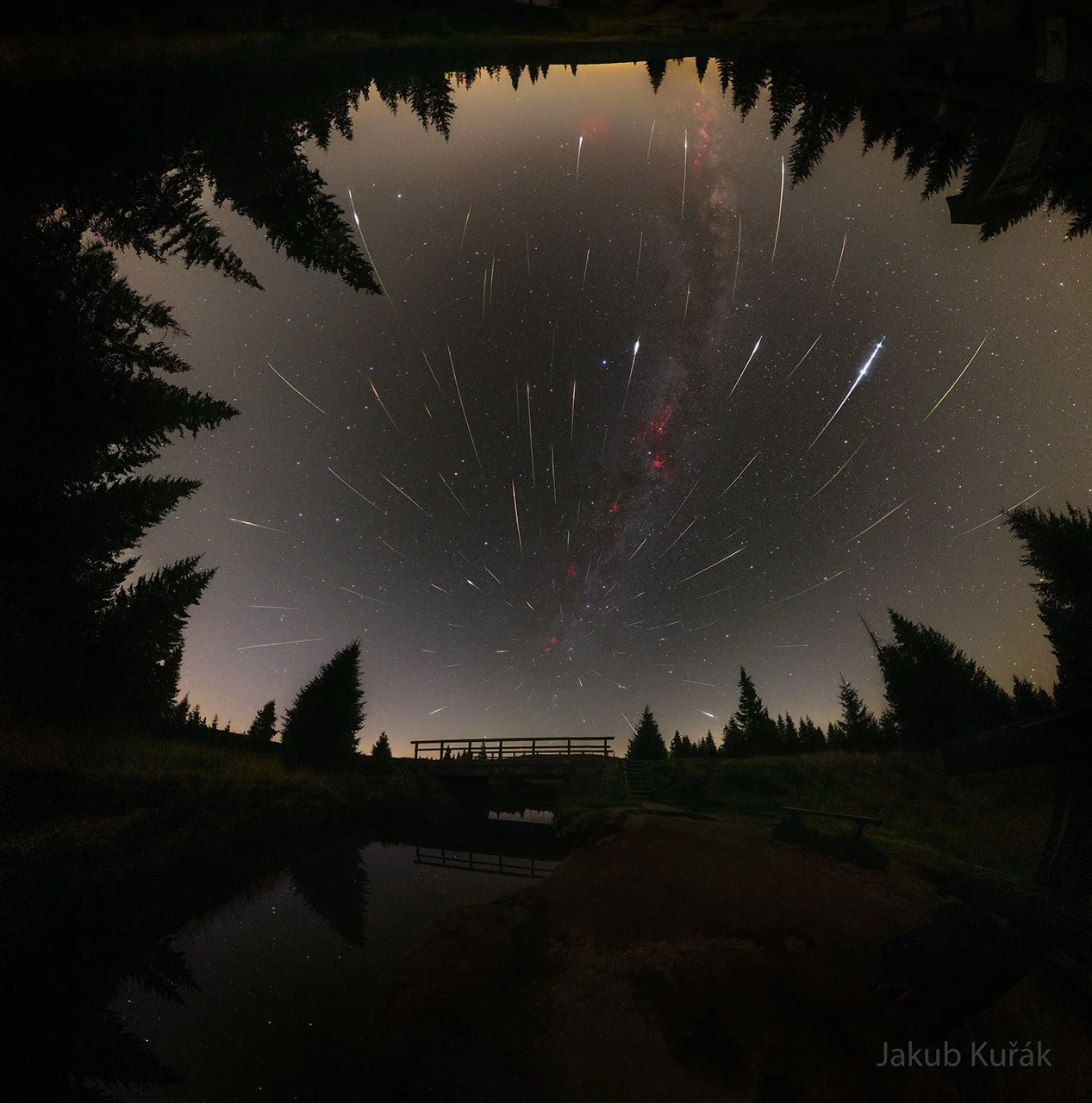
The Perseid meteor shower peaks tonight with up to about 100 meteors per hour under dark skies, especially since the peak coincides with the new moon. Best viewing starts around 11 p.m. local time and continues into the predawn hours, with meteors radiating from the Perseus constellation as Earth passes through debris left by Comet Swift-Tuttle; if you miss the peak, the shower remains active through Aug. 24 and is ideal for naked-eye stargazing.

Perseid Meteor Shower Peaks Under New Moon, Lighting Up Northern Skies
science1 month ago

Perseid Meteor Shower Peaks Under New Moon, Lighting Up Northern Skies

The Perseid meteor shower, produced by debris from comet 109P/Swift-Tuttle, is set to peak Wednesday night into Thursday morning, with NASA forecasting 50–100 meteors per hour under ideal dark-sky conditions and the American Meteor Society noting 30–50 per hour from rural US sites. The event coincides with a total solar eclipse across Spain, Iceland and Greenland and a “six-planet parade,” with the best viewing after totality. A new moon will keep sky glow low, so the prime viewing window is between midnight and dawn as Perseus climbs high in the northern sky; find a dark patch away from city lights, let your eyes adjust for about 30 minutes, and avoid looking at your phone.

Perseids Peak: Up to 100 Shooting Stars per Hour This August
science1 month ago

Perseids Peak: Up to 100 Shooting Stars per Hour This August

Originating from comet Swift‑Tuttle, the Perseid meteor shower started July 17 and peaks around August 13, potentially delivering up to 100 shooting stars per hour. For best viewing, find a dark, unobstructed sky, let your eyes adjust, and watch from about midnight to 4 a.m.; the shower can continue into September, giving multiple chances to see meteors even if weather isn’t perfect.

Peak Perseids Viewing: Where and How to Watch This Summer
science1 month ago

Peak Perseids Viewing: Where and How to Watch This Summer

From July 17 to Aug 23, the Perseids meteor shower peaks around Aug 12–13, offering roughly 50–100 meteors per hour in clear, dark skies. Northern Hemisphere observers will have the best view in predawn hours; gaze toward Perseus to see the shooting stars, and lie flat away from light pollution after darkening your eyes for about 30 minutes. The shower originates from debris left by the comet Swift-Tuttle, and its bright meteors and fireballs make it a standout sky show this summer.

Perseid meteor shower begins this week — look up for shooting stars after midnight
space1 month ago

Perseid meteor shower begins this week — look up for shooting stars after midnight

The Perseid meteor shower runs July 17–Aug 24 and peaks around Aug 12–13, with observers under dark skies potentially seeing 50+ meteors per hour. You can start watching now, especially after midnight when Perseus climbs higher in the northeastern sky, and occasional bright fireballs can appear even earlier in the season. Expect some dim meteors to be washed out by the Buck Moon around late July, and note that other showers (Delta Aquariids and Alpha Capricornids) also occur this month as Earth passes through debris from Comet Swift-Tuttle.

Perseids Spark a Majestic August Sky Show
space1 month ago

Perseids Spark a Majestic August Sky Show

Active now, the 2026 Perseid meteor shower peaks overnight Aug. 12–13 under a new Moon, with up to about 100 meteors per hour at maximum as Earth crosses the debris stream from comet Swift‑Tuttle. To spot them, locate the radiant near Eta Persei in Perseus, look about 40 degrees above it, and give your eyes 20 minutes to adapt after dark. The best viewing is in the predawn hours away from city lights, and bright fireballs are possible. For photography tips, Space.com also offers a guide on capturing Perseids.