Tag

Perseids

All articles tagged with #perseids

science10 days ago

Perseid Fireball Dazzles Northwest Sky

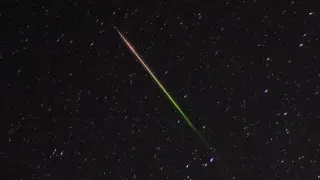
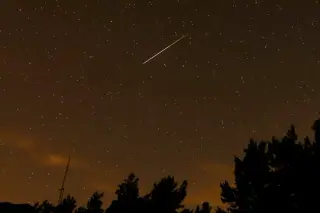
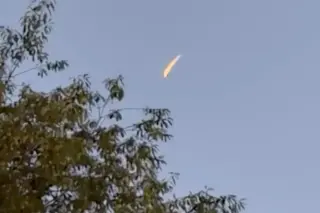
A bright fireball lit up the night sky across the Pacific Northwest between 12:45 a.m. and 12:50 a.m. during the Perseid meteor shower, with sightings from Washington, Oregon, Idaho and British Columbia. Witnesses described an orange or green streak followed by a flash; there is no indication the object reached the ground, and what some heard as an explosion was likely the meteor breaking apart high in the atmosphere. If you saw it, send video to [email protected] for a possible on-air feature.

Perseids Peak Tonight: How to Photograph the Sky’s Brightest Show
science11 days ago

Perseids Peak Tonight: How to Photograph the Sky’s Brightest Show

The Perseids meteor shower peaks tonight for observers across the Northern Hemisphere, with NASA noting up to about 100 meteors per hour under dark skies, and the shower continuing through Aug. 24. For photographers, experts advise treating it like a time-lapse opportunity: use a wide-angle lens, a sturdy tripod, and a remote release for long exposures to capture meteor streaks, while seeking very dark locations and planning scenes in advance. Guides from PetaPixel and PhotoPills emphasize location, planning, and patience to maximize photo opportunities.

Sky’s Canvas: Stunning 2026 Perseid Photos Capture a Meteor-Rich Night
space11 days ago

Sky’s Canvas: Stunning 2026 Perseid Photos Capture a Meteor-Rich Night

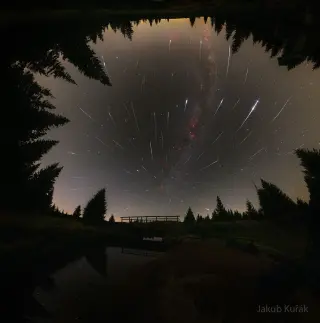
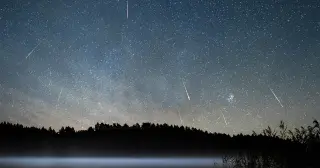
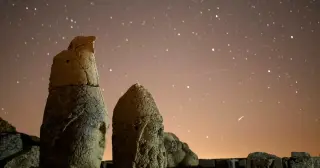
Space.com highlights the spectacular 2026 Perseid meteor shower peak with a photo gallery showing hundreds of shooting stars as Earth passes through Swift-Tuttle’s debris under dark, new-moon skies; images come from Iran, Macedonia, Israel and the United States and often feature the Milky Way or Pleiades, with meteors traveling about 37 miles per second after a total solar eclipse; readers are invited to submit their shots and consult photography tips.

Perseids Peak Tonight Under New Moon for Prime Meteor Viewing
science12 days ago

Perseids Peak Tonight Under New Moon for Prime Meteor Viewing

The Perseid meteor shower peaks Wednesday night into Thursday, aided by a new moon that minimizes moonlight for ideal viewing. Expect roughly a dozen meteors per hour from suburban skies and 20–25 per hour from dark rural locations, with the best viewing from about 2–4 a.m. No special equipment is needed—find a dark, open sky, give your eyes 20 minutes to adjust, and look up in any direction as the meteors radiate from Perseus. The shower consists of debris from comet Swift-Tuttle burning up high in Earth’s atmosphere and never reaching the ground.

Perseid Peak Lights Up the Night Sky Under a New Moon
science14 days ago

Perseid Peak Lights Up the Night Sky Under a New Moon

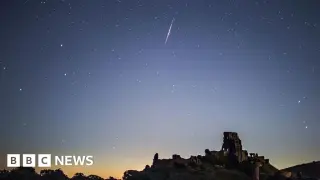
The Perseid meteor shower reaches its peak the night of Aug 12–13 in the early hours, offering potentially 100+ meteors per hour under a new Moon with no bright moonlight; observers should find a dark, wide view and allow 20–30 minutes for eyes to adapt. A shallow partial solar eclipse will also be visible in the UK in the early evening (not total there), so if you look at the Sun you must wear certified eye protection. Most of England and Wales are expected to have clear skies, though northern Scotland may see more cloud; always check the latest BBC Weather updates.

Twin Meteor Showers Peak This Week, Moonlight Dampens the Display
science15 days ago

Twin Meteor Showers Peak This Week, Moonlight Dampens the Display

Alpha Capricornids and Southern Delta Aquariids peak Thursday night into Friday, but a July full moon will wash out many fainter meteors; visibility will be tough for most skywatchers, though those in the Southern Hemisphere may have a better view. For best results, seek high ground, face north with the Moon behind you to minimize glare, and look for brighter meteors from these showers. The Perseids are active too this week, though they won’t peak until mid-August.

Perseid Meteor Shower Peaks Under New Moon, Lighting Up Northern Skies
science15 days ago

Perseid Meteor Shower Peaks Under New Moon, Lighting Up Northern Skies

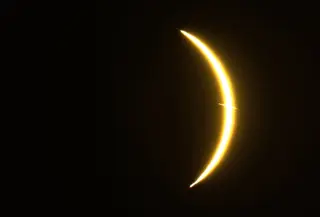
The Perseid meteor shower, produced by debris from comet 109P/Swift-Tuttle, is set to peak Wednesday night into Thursday morning, with NASA forecasting 50–100 meteors per hour under ideal dark-sky conditions and the American Meteor Society noting 30–50 per hour from rural US sites. The event coincides with a total solar eclipse across Spain, Iceland and Greenland and a “six-planet parade,” with the best viewing after totality. A new moon will keep sky glow low, so the prime viewing window is between midnight and dawn as Perseus climbs high in the northern sky; find a dark patch away from city lights, let your eyes adjust for about 30 minutes, and avoid looking at your phone.

Dark-Skies Show: Perseids Meteor Shower to Greet Partial Solar Eclipse Across the U.S.
science19 days ago

Dark-Skies Show: Perseids Meteor Shower to Greet Partial Solar Eclipse Across the U.S.

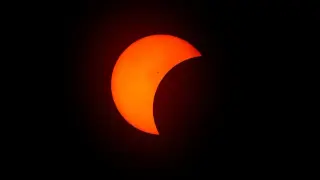
A partial solar eclipse on August 12 will be followed by the Perseids meteor shower, visible from North Carolina to Alaska on August 12–13. NASA says debris from Comet Swift-Tuttle will produce 50–100 meteors per hour, including fireballs, with darker skies from the new moon boosting visibility. The event chapter spans a broad swath of the continental U.S., offering stargazers a two-night celestial display if skies stay clear.

Perseids Peak: Up to 100 Shooting Stars per Hour This August
science19 days ago

Perseids Peak: Up to 100 Shooting Stars per Hour This August

Originating from comet Swift‑Tuttle, the Perseid meteor shower started July 17 and peaks around August 13, potentially delivering up to 100 shooting stars per hour. For best viewing, find a dark, unobstructed sky, let your eyes adjust, and watch from about midnight to 4 a.m.; the shower can continue into September, giving multiple chances to see meteors even if weather isn’t perfect.

Double meteor shower peak this week: how to see it despite the full moon
science25 days ago

Double meteor shower peak this week: how to see it despite the full moon

A double meteor shower peak arrives Thursday night into Friday as Alpha Capricornids and Southern Delta Aquariids reach their densest points, but the July full Moon will wash out many faint meteors; the Perseids are also active and will peak in mid‑August. Viewing is tougher in the Northern Hemisphere, while the Southern Hemisphere may have a better view. For best results, find a high vantage point, face north with the Moon behind you, and expect only a handful of meteors per hour (roughly 2–3/hr NH and about 3/hr SH).