A human-donor study links a pivotal shift in brain microglia—the immune cells that respond to amyloid plaques and tau—to whether Alzheimer's pathology progresses to dementia, suggesting therapies that preserve beneficial microglial states and target their transition timing.
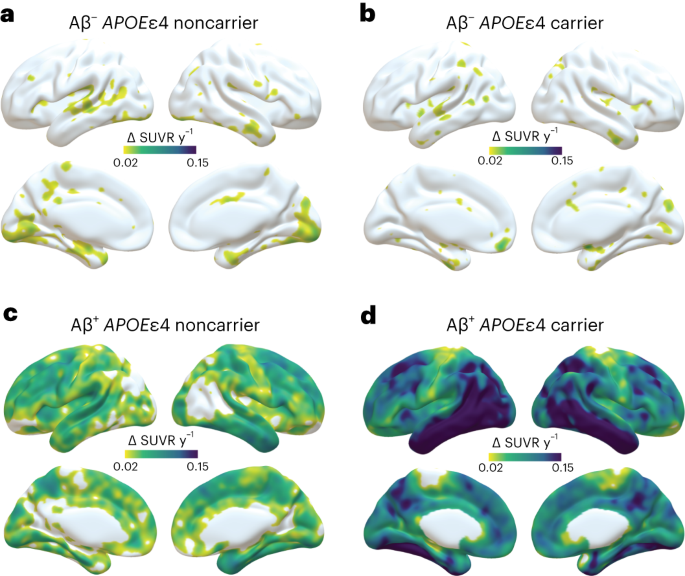
A study has found that the APOEε4 gene variant, a major risk factor for Alzheimer's disease, enhances the effects of amyloid-β on the progression of tau pathology in the brain. The research, conducted on a large cohort of individuals, suggests that APOEε4 may contribute to the development and severity of Alzheimer's disease by exacerbating the accumulation of tau tangles, a hallmark of the disease. These findings highlight the importance of understanding the interaction between amyloid-β and tau in Alzheimer's pathology and may aid in the development of targeted therapies and improved biomarkers for the disease.