The Chicago Fire announced that their new $750 million stadium at The 78 in the South Loop will be named McDonald's Park under a naming rights deal with McDonald's; the privately funded project is set to open in 2028, seats over 22,000, and marks a major recent stadium development for Chicago.
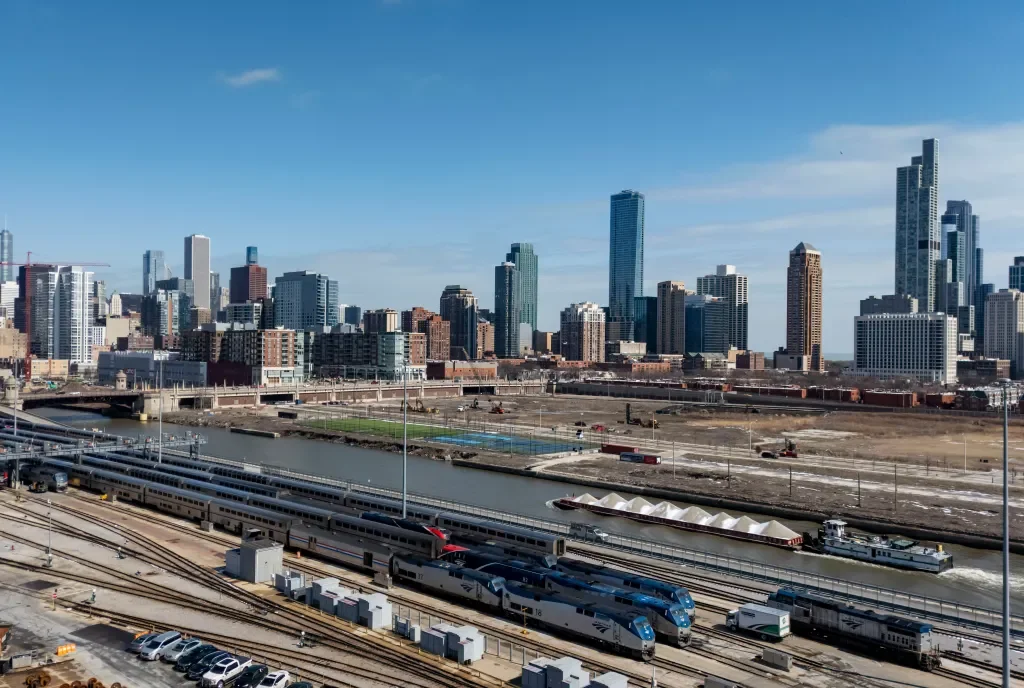
Billionaire investor Justin Ishbia is nearing a deal to buy Amtrak's 47-acre rail yard in the South Loop, across from The 78, fueling speculation it could become part of a White Sox stadium development or other district; Northwestern Medicine is in early talks to anchor a healthcare facility there, while Amtrak would need to relocate and financing for a project potentially over $1 billion would take years.
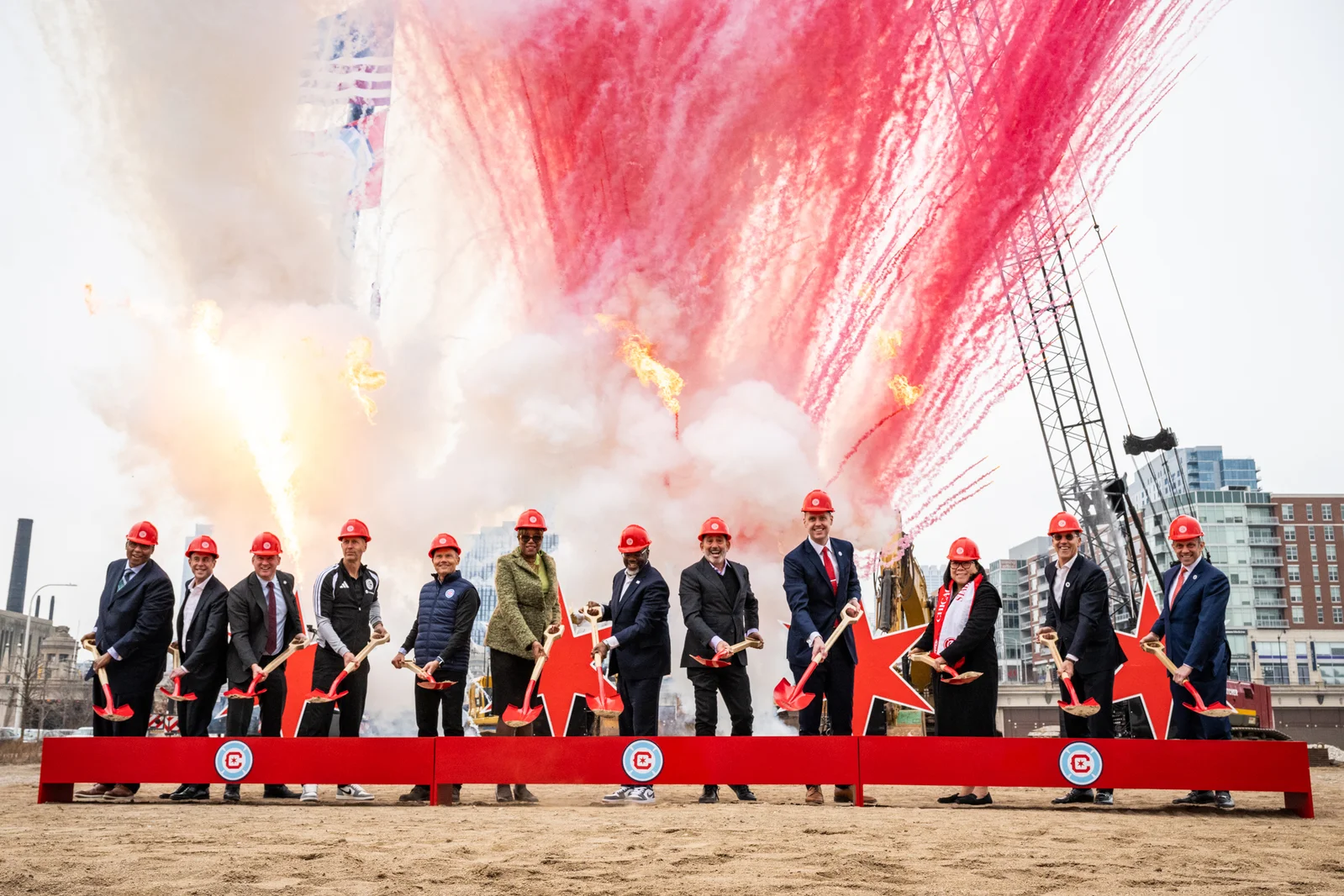
Chicago Fire FC broke ground on its privately funded $750 million stadium at The 78 megadevelopment in the South Loop, set to open in 2028 and anchor a broader $8 billion development. The ceremony drew fans, developers, and officials including Mayor Brandon Johnson and Ald. Pat Dowell, who touted private investment as a path to jobs and neighborhood activation. A coalition of community groups, left out of the process, is pressing for a community benefits agreement to ensure local input and address concerns about related land-use deals tied to the training center.
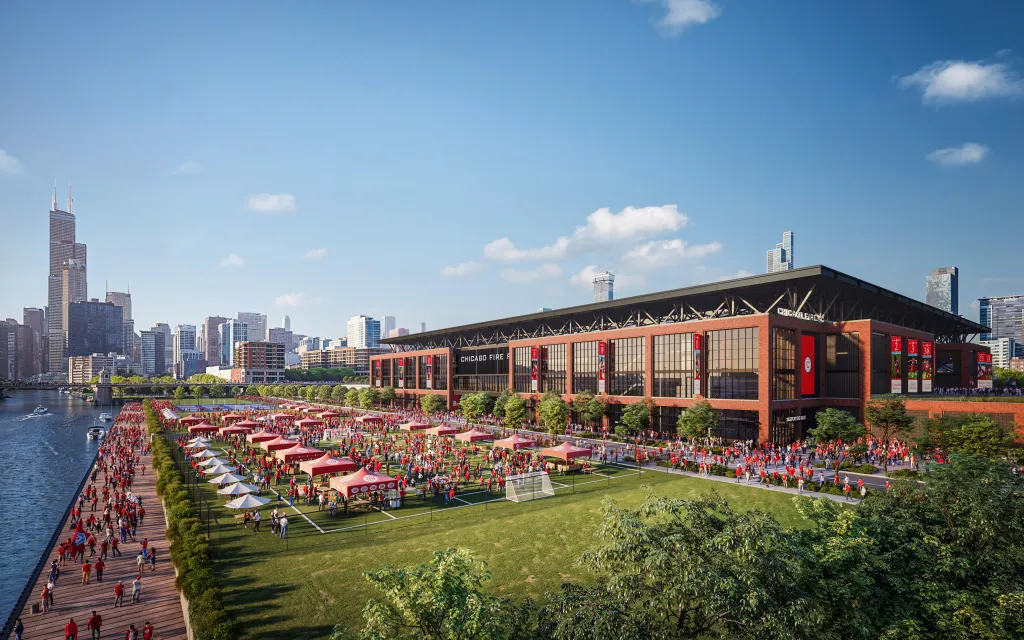
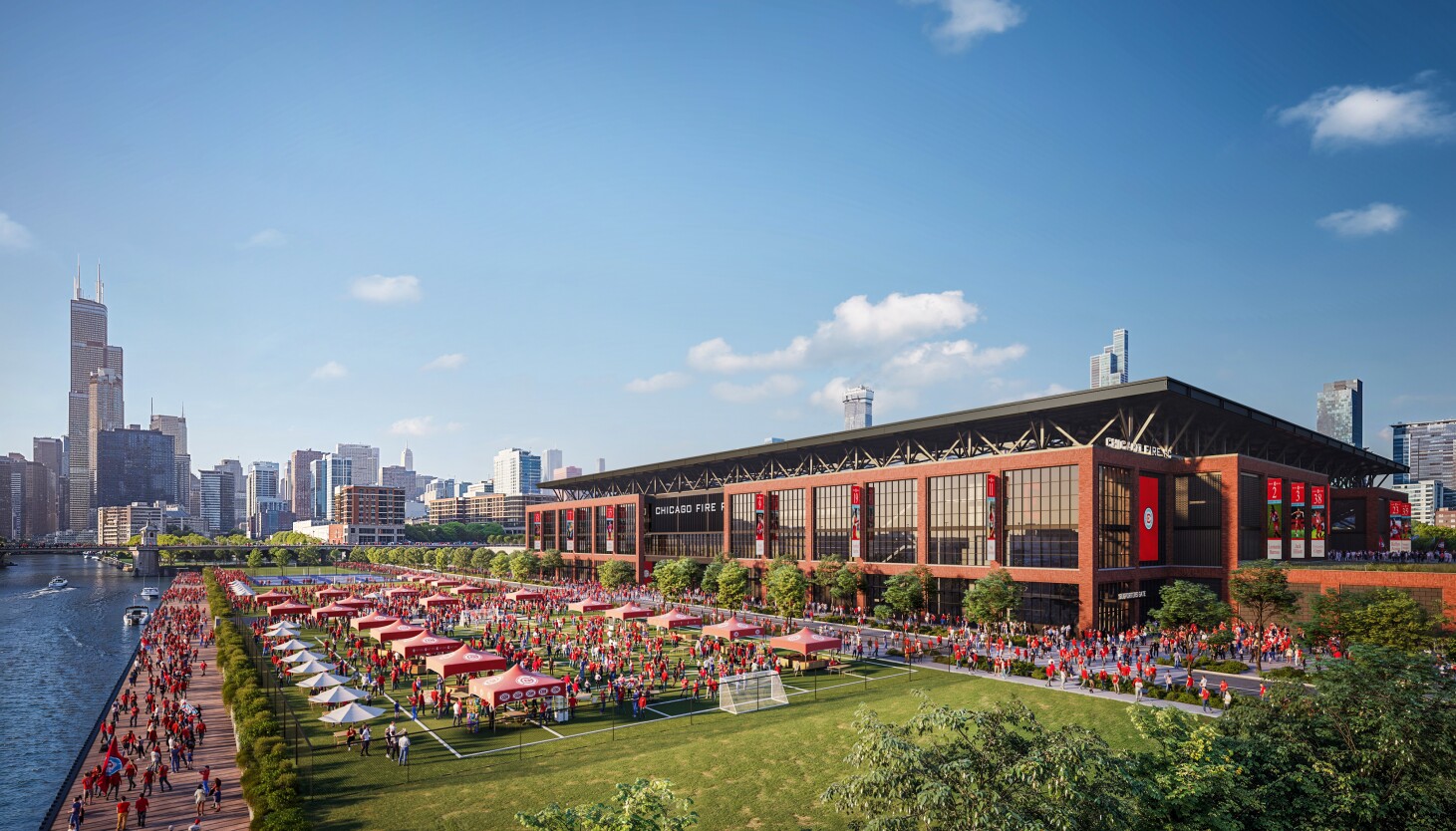
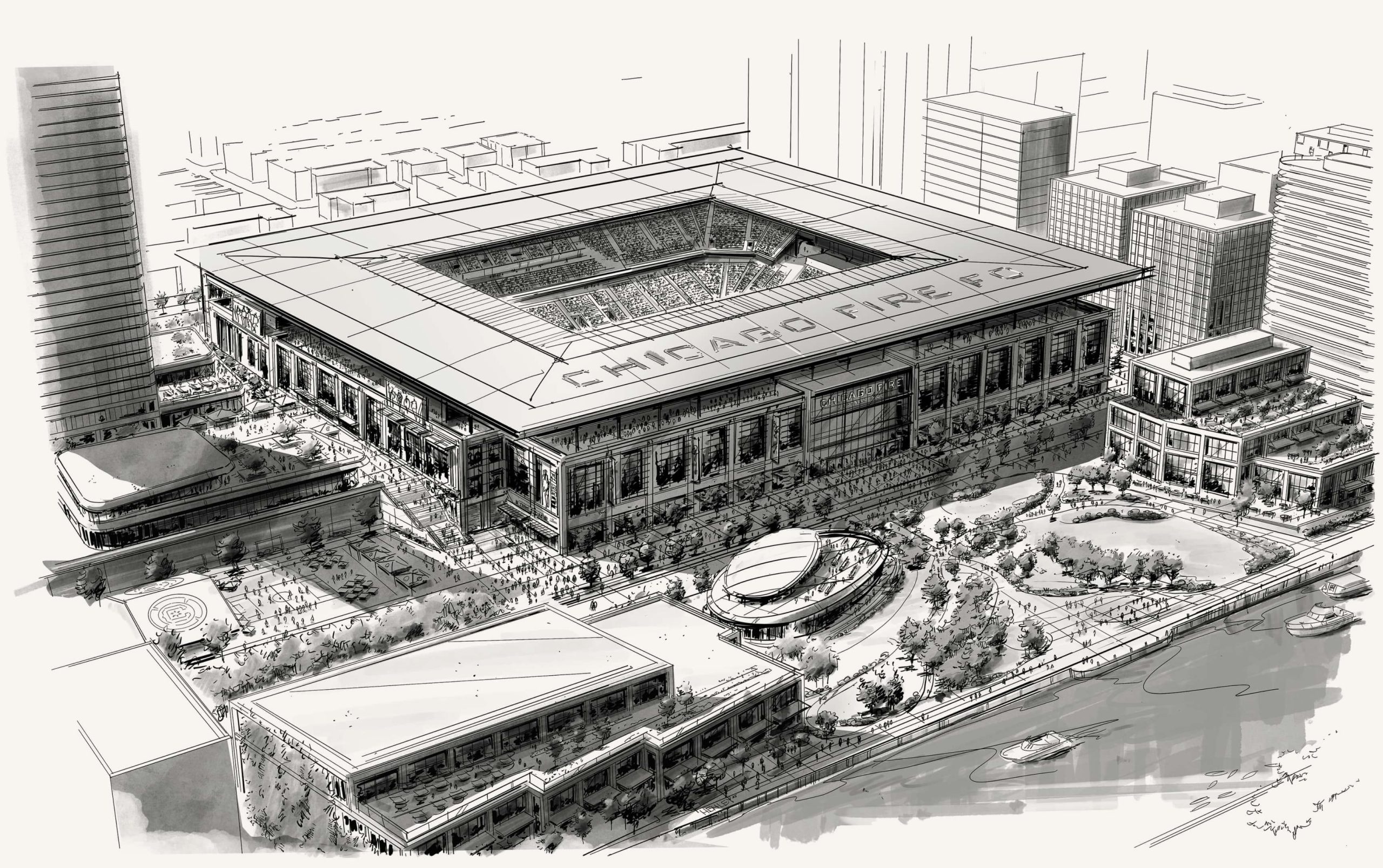
The Chicago Fire unveiled detailed plans for a $650 million, 22,000-seat open-air stadium at The 78 in South Loop, designed to resemble a historic Chicago factory, with construction potentially starting in fall 2023 and aiming for completion before the 2028 MLS season, featuring riverfront access and premium seating options.
The Chicago Fire FC unveiled renderings for a $650 million, 22,000-seat open-air stadium at The 78 in the South Loop, funded privately by owner Joe Mansueto, with plans to host soccer games and events, emphasizing Chicago's industrial heritage in its design, and aiming for a 2028 opening.
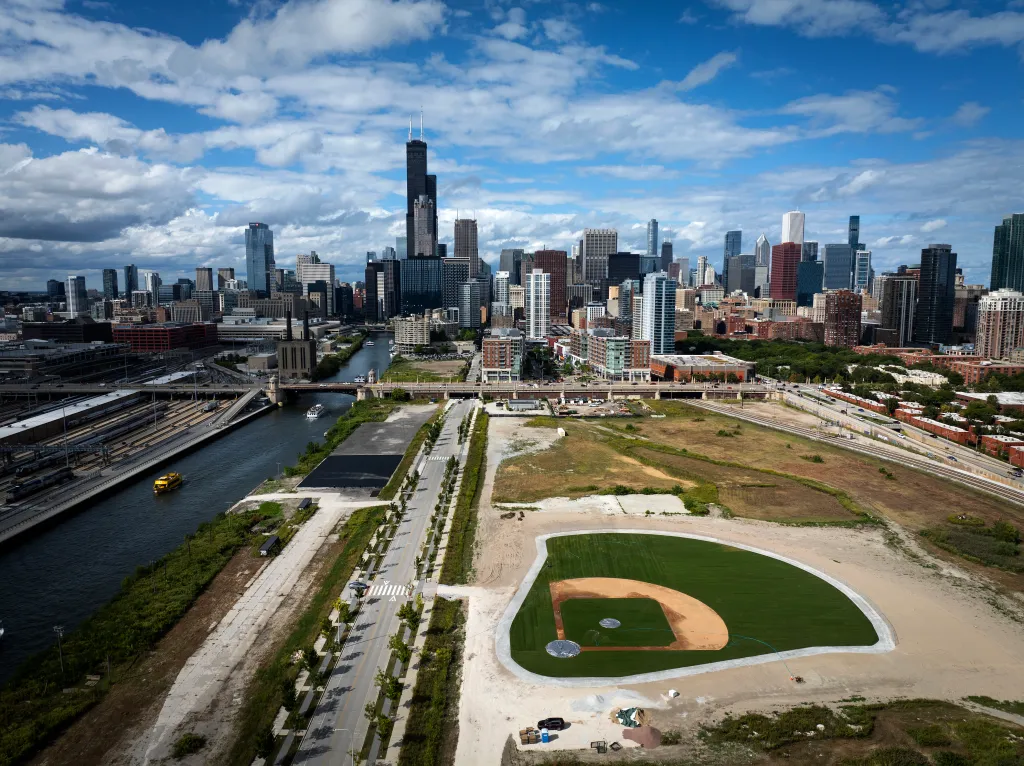
The Chicago White Sox, currently playing at Rate Field, are eyeing a new ballpark at The 78 in the South Loop, but recent developments show the owner of the Chicago Fire plans to privately fund a soccer stadium on the site, potentially blocking the Sox's plans. Despite this, the Sox remain hopeful to develop the land for their new stadium, possibly sharing it with the Fire, and aim to create a nostalgic, privately funded ballpark that appeals to fans and honors Chicago's baseball history.
The Chicago Fire MLS team plans to build a $650 million stadium along the Chicago River, fully privately financed by owner Joe Mansuetto, set to open in 2028 within The 78 development, marking a shift away from public funding for sports venues.
Chicago Fire owner Joe Mansueto plans to invest $650 million to build a 22,000-seat soccer stadium at The 78 development site in South Loop, Chicago, aiming for completion by 2028, with the stadium hosting year-round events and serving as a community hub.
The Chicago Fire announced plans to build a $650 million, 22,000-seat soccer-specific stadium in Chicago's South Loop as part of the larger development project 'The 78,' aiming to open in 2028 without public funding, revitalizing the team's presence near downtown.
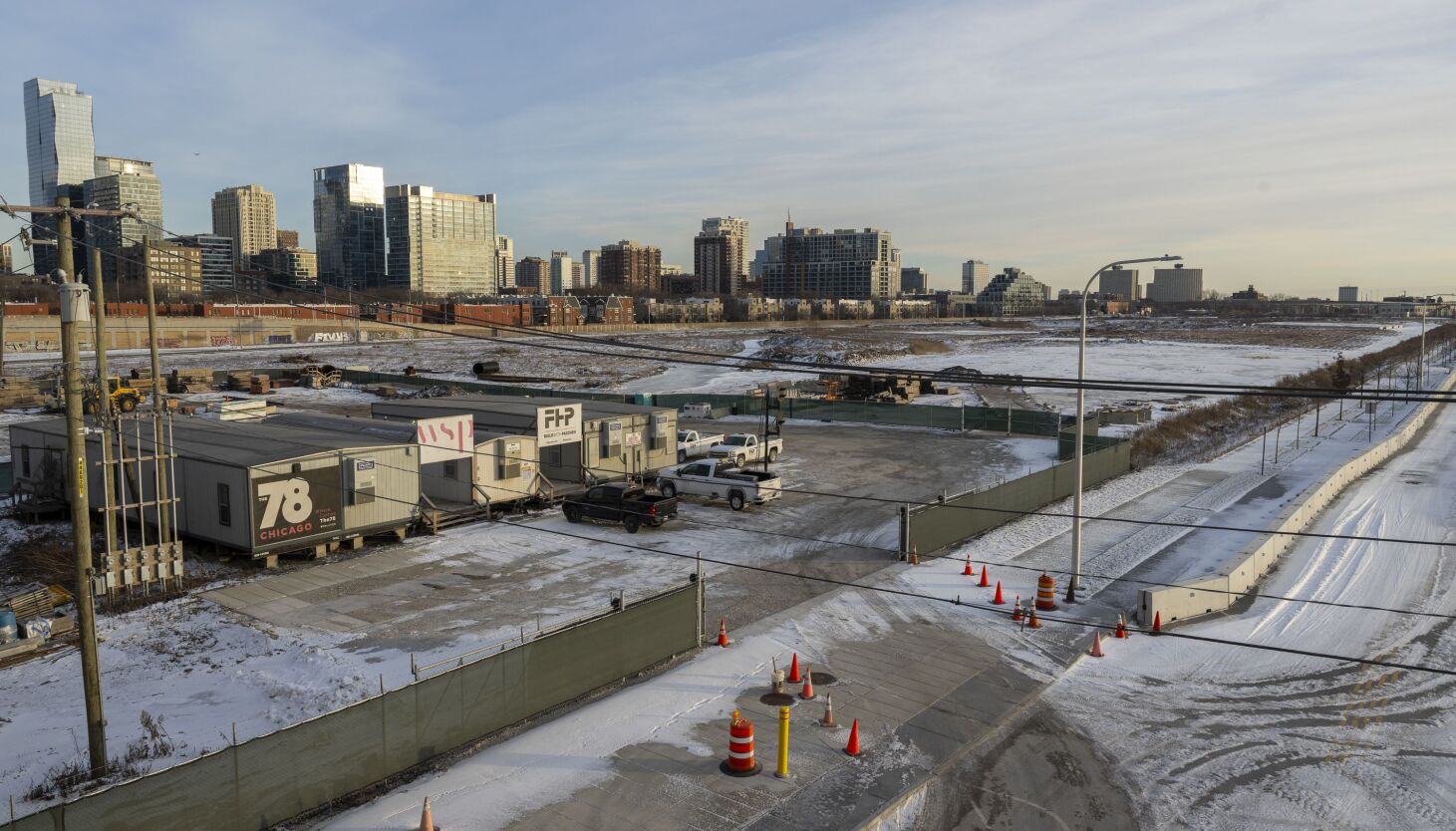
Chicago Fire FC owner Joe Mansueto plans to build a $650 million soccer-only stadium at The 78 in South Loop, Chicago, aiming for a 2028 opening, with significant public infrastructure costs likely requiring city support to develop the long-dormant site.
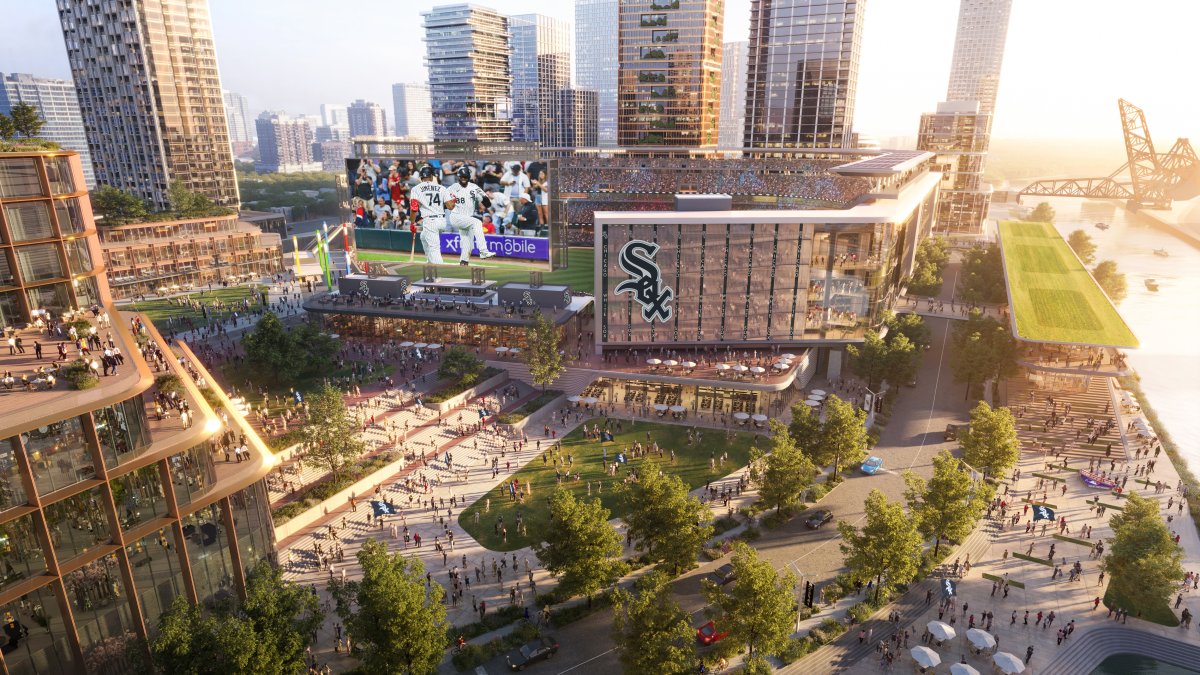
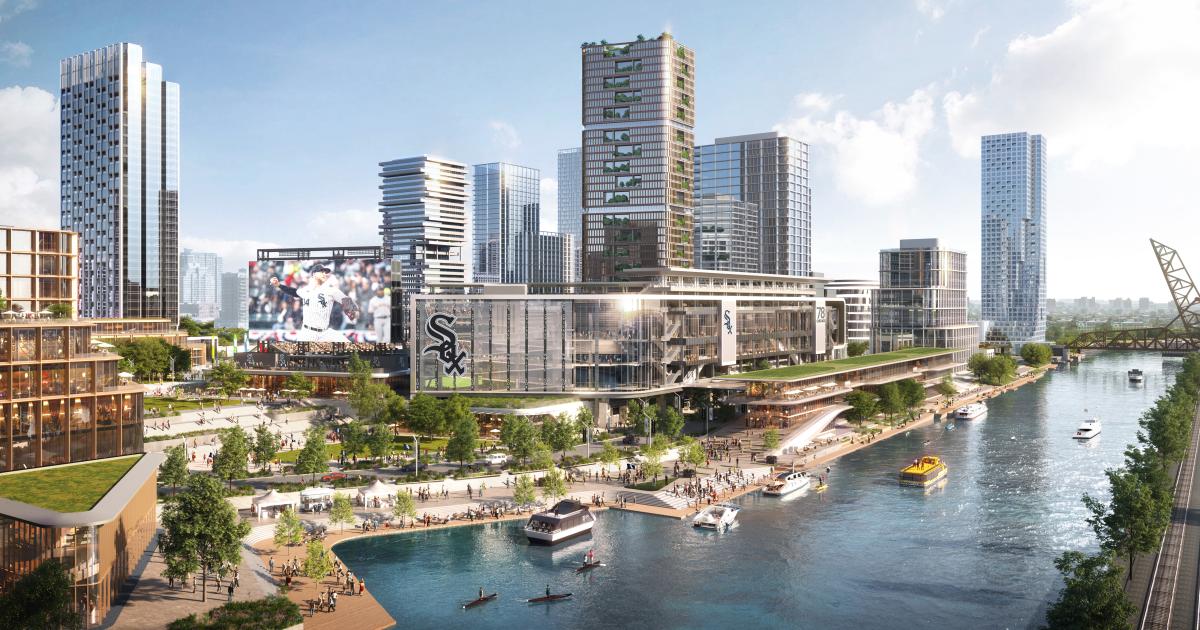
Ambitious new renderings from Related Midwest show what a potential new Chicago White Sox Stadium at "The 78" in the South Loop could look like, projecting significant economic impact and community benefits. The proposed location, bordered by Roosevelt Road, the Chicago River, Clark Street, and train tracks near Ping Tom Park, would offer ample public transit access. The move would mark the White Sox's departure from their longtime neighborhood, with the team considering the construction of a new stadium after their lease at Guaranteed Rate Field expires in 2029. Related Midwest also released conceptual renderings for the team's current home at 35th and Shields, acknowledging the need for community input in determining the best use for the land.
Developer Related Midwest has released additional renderings of the potential new White Sox stadium at The 78 site, showcasing a proposed stadium structure anchoring the high-rise district with home plate at the southwest corner and a new public plaza to the north. Negotiations are ongoing with the White Sox about the possibility of building a new stadium on the 62-acre South Loop property, with discussions involving Mayor Johnson and state representatives regarding potential public funding. The future of Guaranteed Rate Field and the surrounding area is in question as the White Sox consider a move closer to downtown, and Related Midwest has conceptual ideas for the property at 35th & Shields, subject to community input.
The White Sox have released renderings for a potential new stadium at "The 78" near downtown Chicago's South Loop, projecting significant economic impact and community benefits. While the move remains speculative, discussions between the team and city officials are ongoing. Illinois Governor J.B. Pritzker expressed reservations about public funding for private facilities, and "The 78" is a 62-acre area with a history of development plans. The proposed location offers convenient access via public transportation and water taxi.
The Chicago White Sox and developer Related Midwest have revealed renderings of a proposal for a new ballpark in 'The 78' area near the South Loop, projecting a $9 billion economic investment, creation of 10,000+ construction jobs, and 22,000+ permanent jobs. The proposal is in its early stages and requires approval from various legislative bodies. The project faces challenges related to tax revenue negotiations, public funding, and potential conflicts with other developments in the area.
Chicago developer Related Midwest plans to build a new White Sox stadium in the South Loop neighborhood, part of a multibillion-dollar development called The 78. The project includes thousands of residences, a hotel, restaurants, an office building, and a school alongside a University of Illinois tech research center. The stadium would serve as an entertainment hub, and while public financing remains uncertain, the potential move has sparked discussions about the use of tax increment financing. The ambitious plans also raise questions about housing market saturation and integration with the Discovery Partners Institute.