
France investigates Normandy derailment as sabotage probe widens
French authorities are probing a Normandy train derailment for possible sabotage, reviewing evidence as the investigation continues.

All articles tagged with #train derailment
French authorities are probing a Normandy train derailment for possible sabotage, reviewing evidence as the investigation continues.
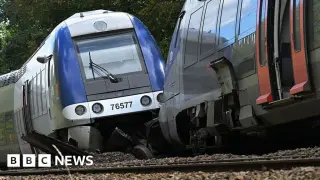
Prosecutors in Rouen are examining whether a deliberate act caused a passenger train to derail near Cléon. Authorities seized the train’s black box, scheduled interviews, and called in a court-appointed expert as part of the probe. The crash involved 186 passengers and left 44 people injured, including an 18-year-old in critical condition; the train driver tested negative for drugs and alcohol, and some victims have since been discharged from hospital.
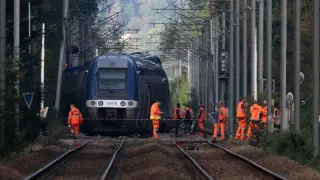
A regional train carrying 186 passengers from Rouen to Caen derailed Friday evening in Cleon, Normandy, injuring 44 people, including an 18-year-old woman who was airlifted to Rouen University Hospital. Investigators found a piece of rail on the track and are examining whether sabotage caused the derailment; authorities cautioned that the circumstances are not yet known. The incident adds to a history of rail disasters cited for context as prosecutors and police pursue the inquiry.
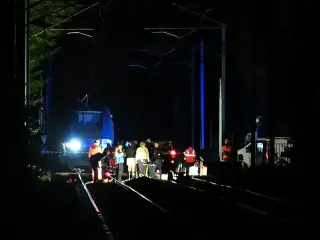
A passenger train derailed on the Rouen–Caen line in northwestern France, injuring 44 people, including one in critical condition. Authorities mobilized 130 firefighters, five medical teams and 80 vehicles in a mass-casualty response; the line was suspended as investigators probe the cause and confirm the driver's sobriety tests were negative.
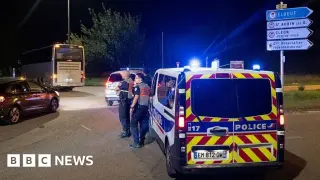
A passenger train on the Rouen–Caen line derailed near Cléon in Normandy, injuring at least 44 people including an 18-year-old airlifted in critical condition. About 180 passengers were onboard; 140 firefighters and other emergency crews were dispatched, with cause under investigation after reports that three carriages overturned. SNCF warned of disruptions and planned replacement buses as authorities activated a mass-casualty plan and urged the area be avoided.

A second train derailed near Wickford railway station in Essex, southeast England, just after 2 p.m. local time, less than 24 hours after a Lewes derailment that injured 18 people (two seriously). There are currently no reported injuries at Wickford; investigations are underway, and experts warn extreme heat could have caused rail tracks to buckle due to heat expansion during the record heatwave.

A passenger train derailed near Lewes in East Sussex (southern England), with police and emergency services at the scene. Officials say there are no serious injuries or fatalities. Rail services through Lewes and Haywards Heath were canceled or slowed, and nationwide disruption was expected for a few hours as responders worked, while the cause was not yet known; temperatures in the region reached around 35C amid a heatwave.

Sound Transit’s light-rail service resumed Sunday after an out-of-service Link train derailed near the International District/Chinatown station late Saturday, with no passengers aboard and no injuries reported. The incident—happening as thousands were leaving a concert at Lumen Field—triggered about eight hours of suspensions on the 1 Line (Capitol Hill to SODO) and the 2 Line (Capitol Hill to Judkins Park), with buses substituting for trains. Recovery efforts and a root-cause investigation are underway; officials say this is only the second derailment of its kind since 2009.
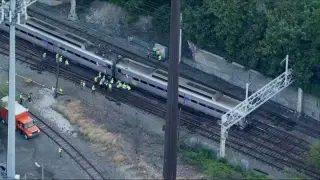
An overnight derailment of a Manayunk-Norristown train near North Broad Street disrupted Philadelphia’s Regional Rail network, but service resumed by about 3 p.m. with Chestnut Hill East, Fox Chase, and Norristown lines back in operation. In the interim, several lines were suspended or truncated, with some trains terminating at Fern Rock or Suburban Station and riders advised to use the Market-Frankford Line to reach Center City. There were 47 people on the derailed train and no injuries reported. The incident followed a separate CSX derailment in Bensalem the day before, and residual delays may continue as crews clear and restore normal operations.
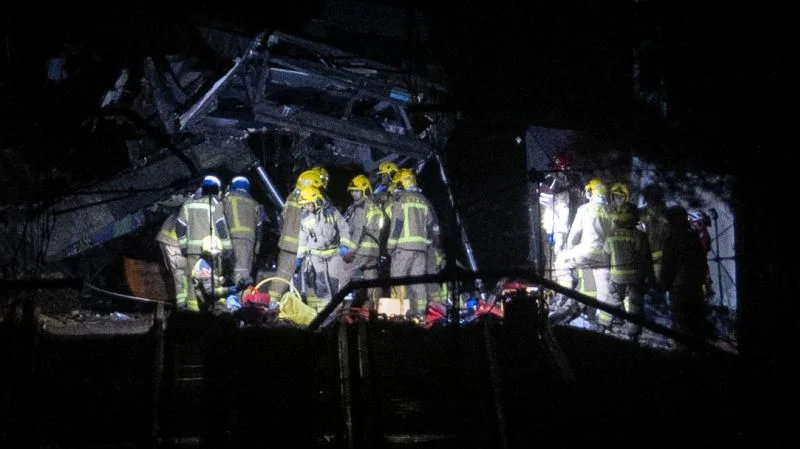
A commuter train derailed in Gelida, near Barcelona, after a retaining wall collapsed onto the tracks amid heavy rains, killing the driver and injuring 37 as authorities stabilized the scene, evacuated passengers, and shore up the wreckage. The incident comes days after a deadly high-speed collision near Adamuz in Córdoba.
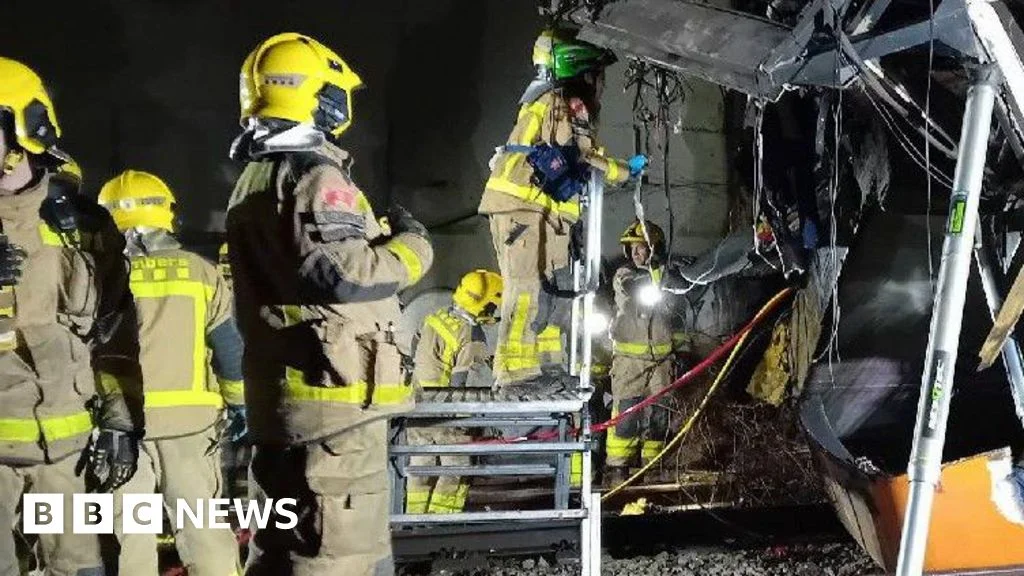
A Rodalies commuter train derailed between Gelida and Sant Sadurní near Barcelona after a retaining wall collapsed onto the tracks amid heavy storms, killing the driver and injuring at least 37 people, four seriously. Emergency crews evacuated passengers; a second Barcelona-area train derailed due to a rock dislodged by the storm but caused no injuries, and services were suspended.
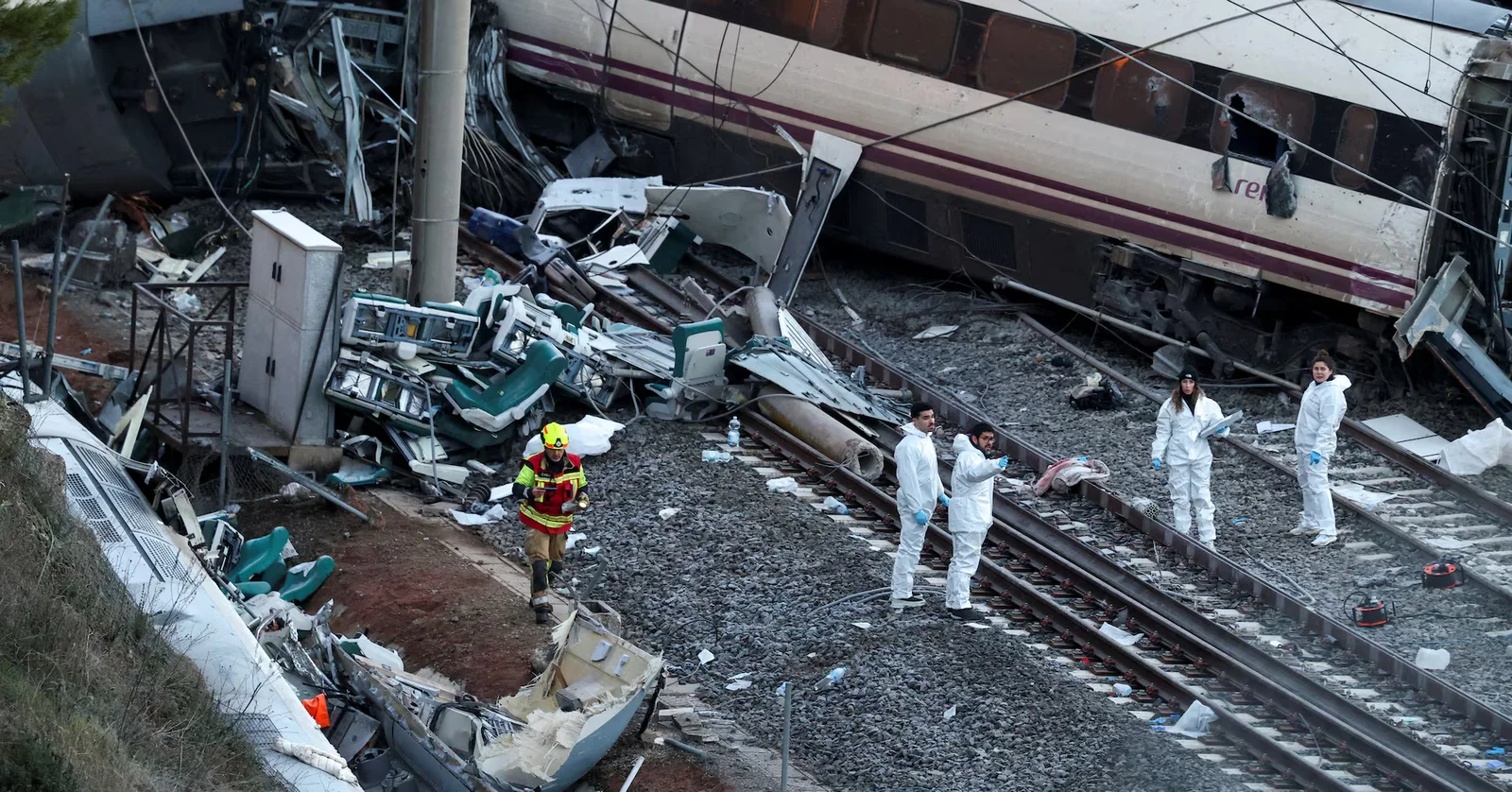
Investigators probing the Spanish high‑speed derailment report a worn and broken rail joint (fishplate) that created a gap widening as trains passed, a finding they say could be key to the cause. CIAF leads the inquiry; Renfe’s president says human error is unlikely. The incident involved the Iryo train; the track had been renovated last May, and a Hitachi Rail inspection found no train faults.
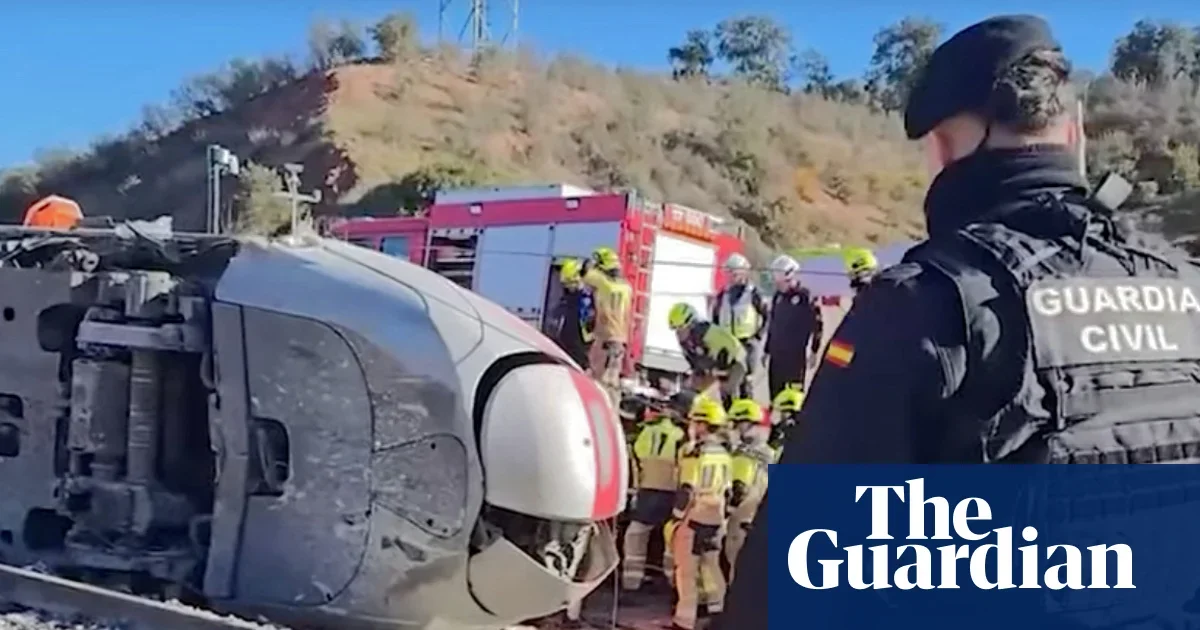
At least 39 people were killed and dozens hospitalized after a Madrid-bound high-speed train derailed near Adamuz, Córdoba, colliding with a southbound train. Rescue crews faced a remote crash site as authorities opened DNA-based identifications and expanded the search for the missing; the cause remains unknown, the stretch was straight and renovated, and the crash is Spain’s deadliest rail disaster since 2013.
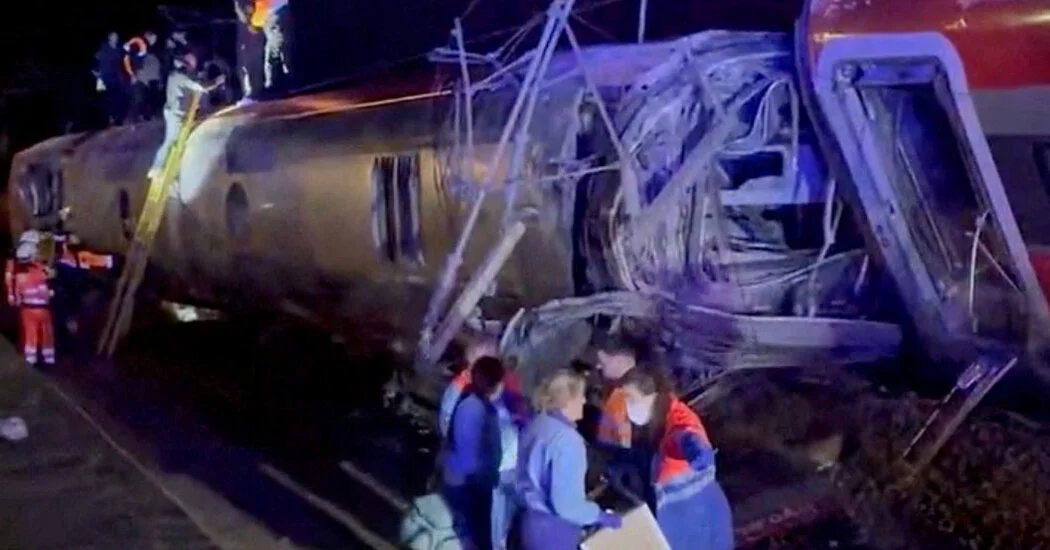
A high-speed train derailed and collided with another on Spain’s Madrid–Seville line in Adamuz, Córdoba, killing at least 21 and injuring about 73, with the death toll expected to rise. About 300 passengers were aboard the first train; the cause remains unclear and investigators are examining track and equipment after recent renovations. Rail service on Madrid–Andalucía routes was suspended as crews work the wreckage, making this the deadliest Spanish rail disaster since 2013 Santiago de Compostela.
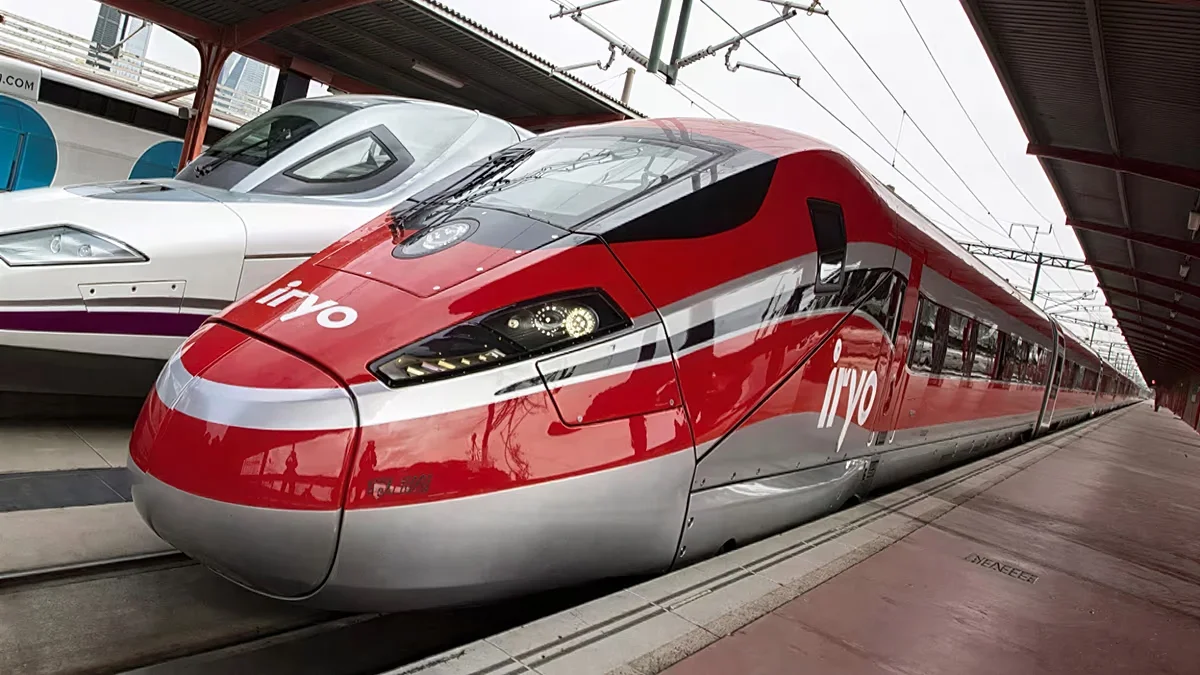
A derailment near Adamuz, Córdoba, caused an Iryo high-speed train to cross onto an oncoming Renfe AVE train, killing at least 21 people and injuring many as emergency services respond; Madrid–Andalusia services were suspended and investigators are examining the incident.