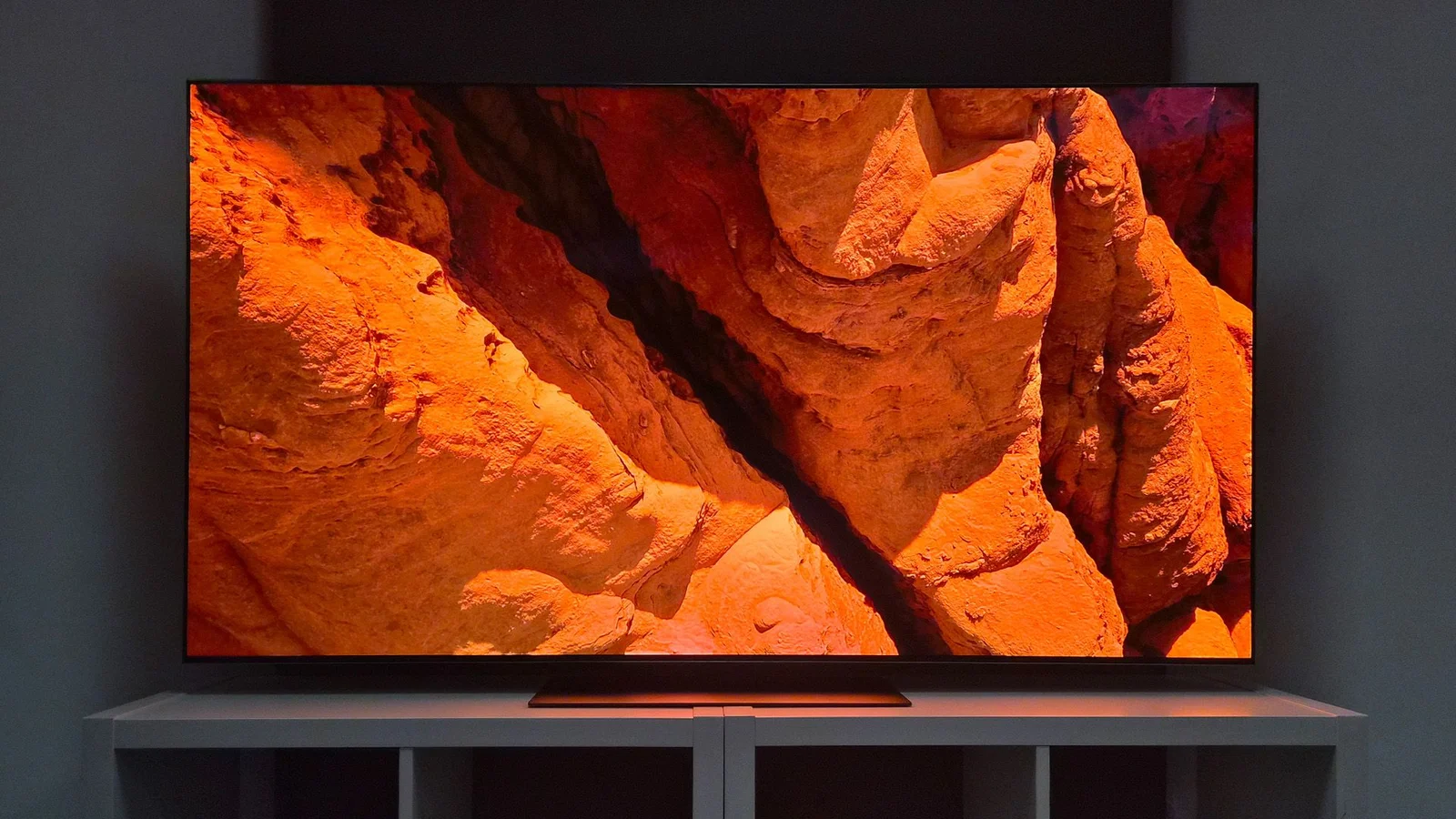
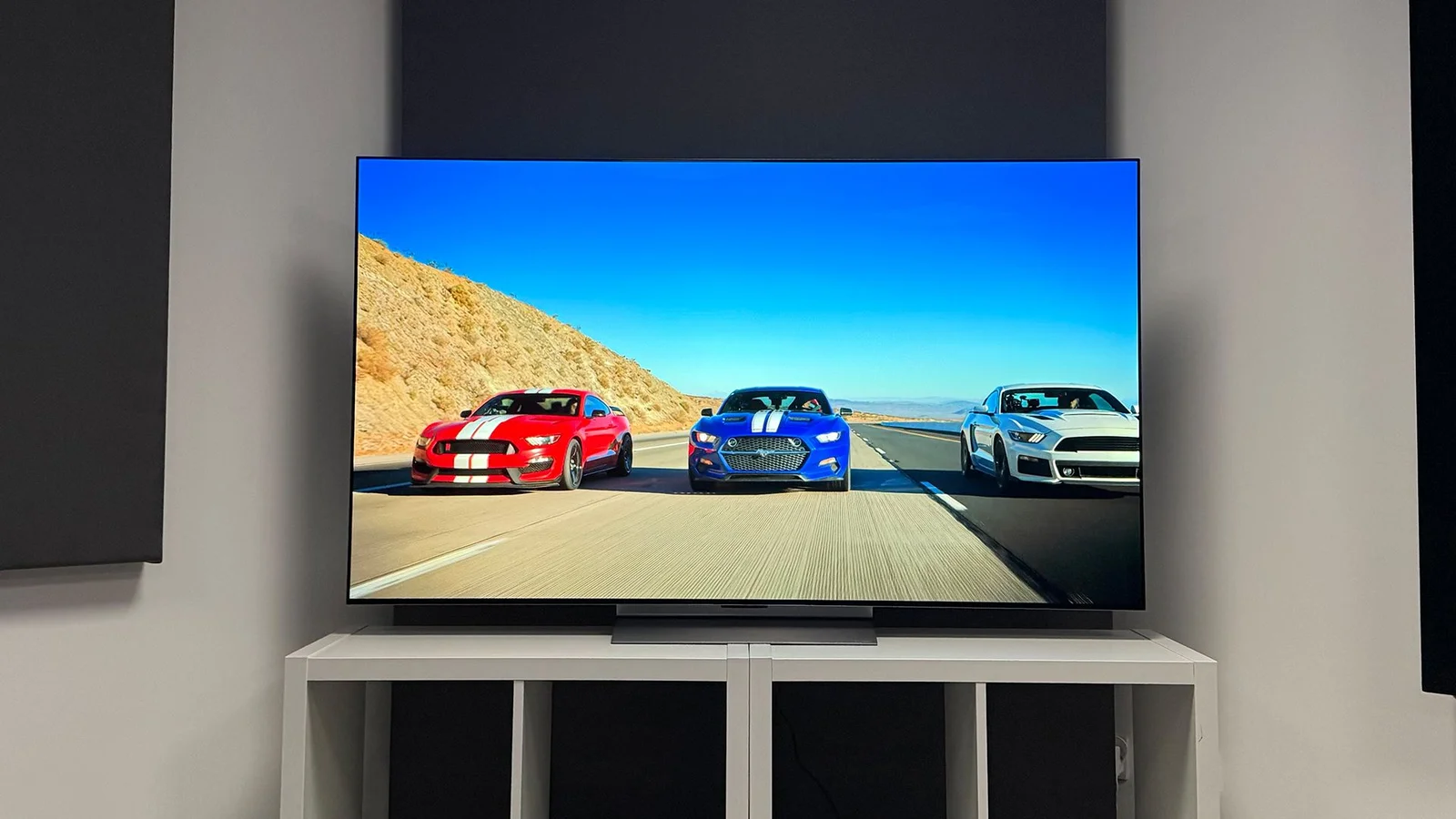
LG Display’s FLiPP OLED panel eliminates the traditional FMM process, promising brighter displays (up to ~1.6x) with longer lifespan and lower power use, potentially making very large OLED TVs cheaper; the tech will first appear in IT devices like tablets/monitors, with ultra‑large TV rollout promised for the future.
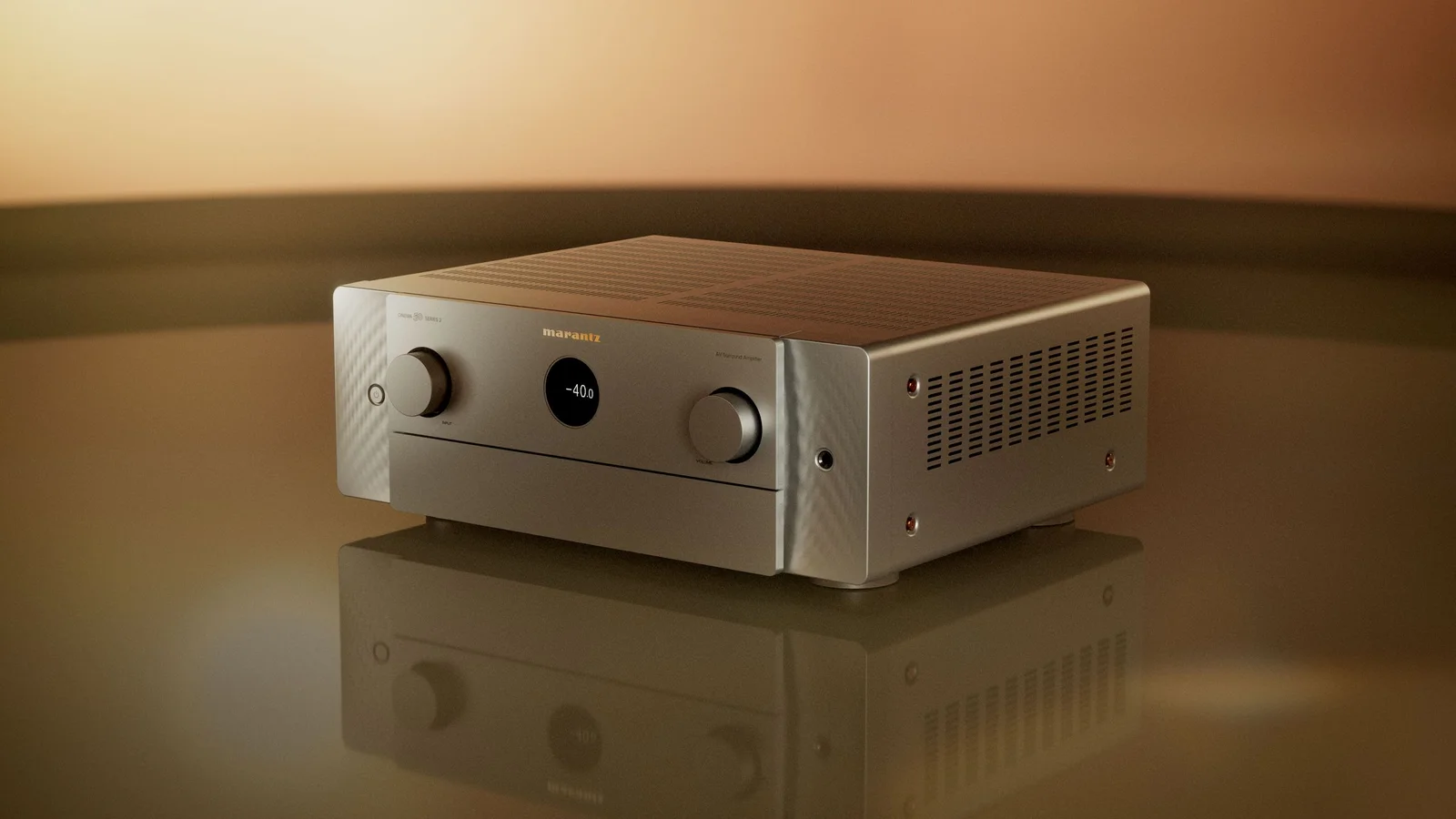
Marantz expands its home‑cinema lineup with four new AV receivers—Cinema 50 Series 2, Cinema 60 Series 2, Cinema 60 DAB Series 2 and Cinema 70s Series 2—each packing a 32‑bit, eight‑channel DAC. The flagship Cinema 50 offers nine amplification channels and 11.4 processing channels (with a Dolby Atmos Channel Expander), while the 60 and 70s models use seven channels (the 60 at 100W per channel, the 70s at 50W). Optional Dirac Live Room Correction, HEOS multi‑room, Bluetooth, and a future LE Audio update accompany features like 1440p passthrough and HDMI 2.1. Availability begins in August (with regional variations for some models) and prices range from about £950 / $1,500 / AU$1,800 up to £1,850 / $3,000 / AU$3,500 for the flagship.
What Hi-Fi? is running a real-time Prime Day 2026 deals hub for home cinema gear, with editor-verified picks across OLED TVs, Dolby Atmos soundbars and projectors, plus price-history checks to avoid inflated discounts. Highlights include LG OLED42C5 at £729, TCL 65C6KS at £529, Hisense AX5125H soundbar (£199) and Anker Nebula Mars 3 projector, with quick links to Amazon and specialist retailers and tips to shop smart rather than chase hype.
What Hi-Fi? is live updating Prime Day 2026 deals across TVs, soundbars and projectors, flagging genuine savings and standout picks (e.g., LG C5 42-inch OLED £649 at Richer Sounds, TCL C6KS 50-inch £343 at Argos, Samsung S99H OLED £1,899 with cashback). The editors emphasize checking retailers beyond Amazon, as fewer, better discounts may appear throughout the event, and they’ll host a Prime Day Live Q&A each lunch time in UK time along with a dedicated hub for hi‑fi deals.
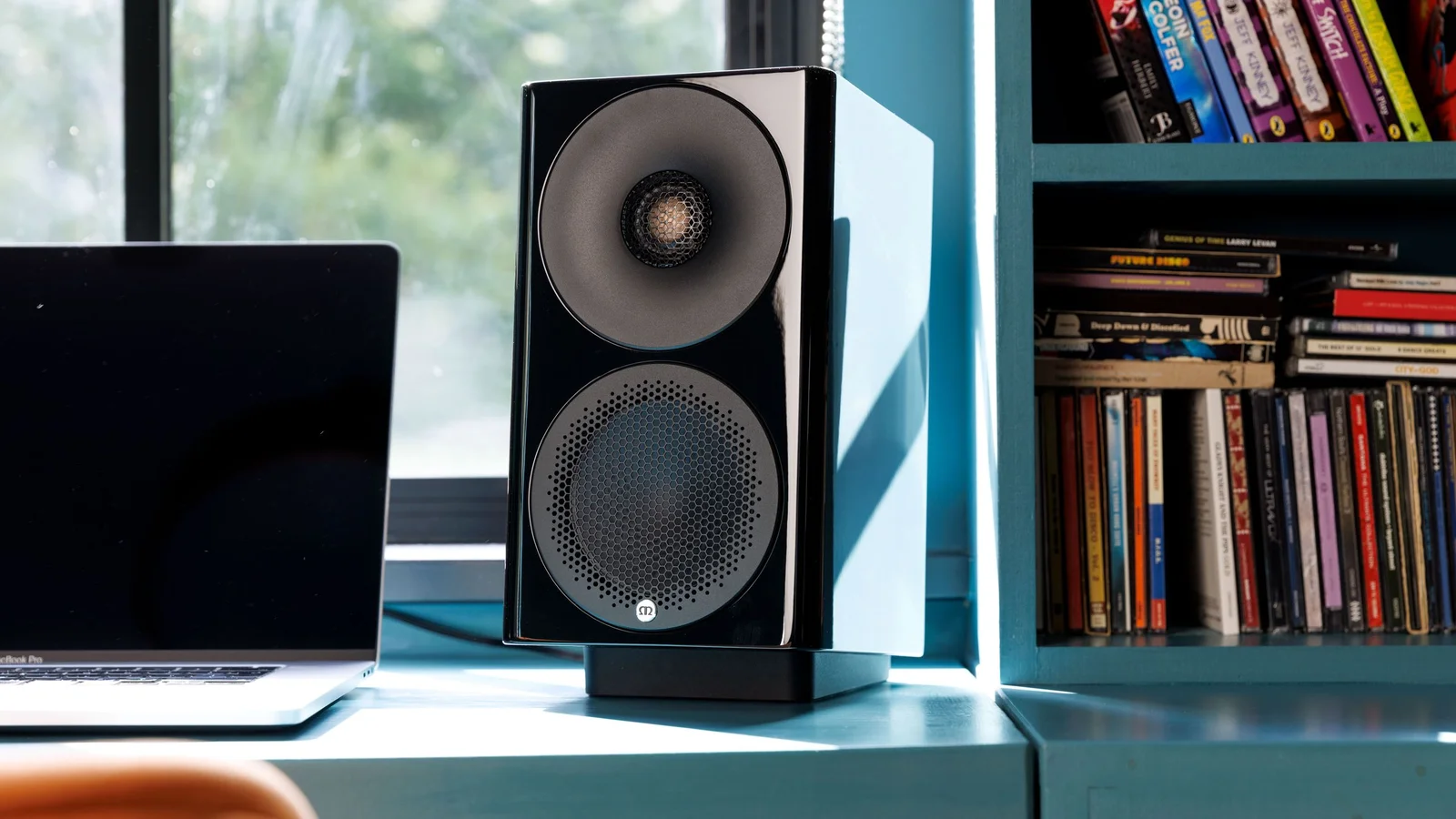
Monitor Audio has launched the Radius Series 4G, a trio of compact hi‑fi and home‑cinema speakers—the Radius 1, Radius 3, and Radius On‑Wall—designed as a reinvention of the Radius 3G. They use C‑CAM (Ceramic‑Coated Aluminium/Magnesium) cones with RST III geometry, HiVe II ports for tight bass, and an external-magnet Gold Dome tweeter, and support multi‑room configurations. Prices are £425/$525 per pair for the Radius 1, £575/$725 for the Radius 3, and £450/$525 for the Radius On‑Wall, with optional Radius Floor Stand (£300) and Desk Pad (£30). The lineup aims to raise the benchmark for compact speakers and suit both stereo and home‑cinema setups.
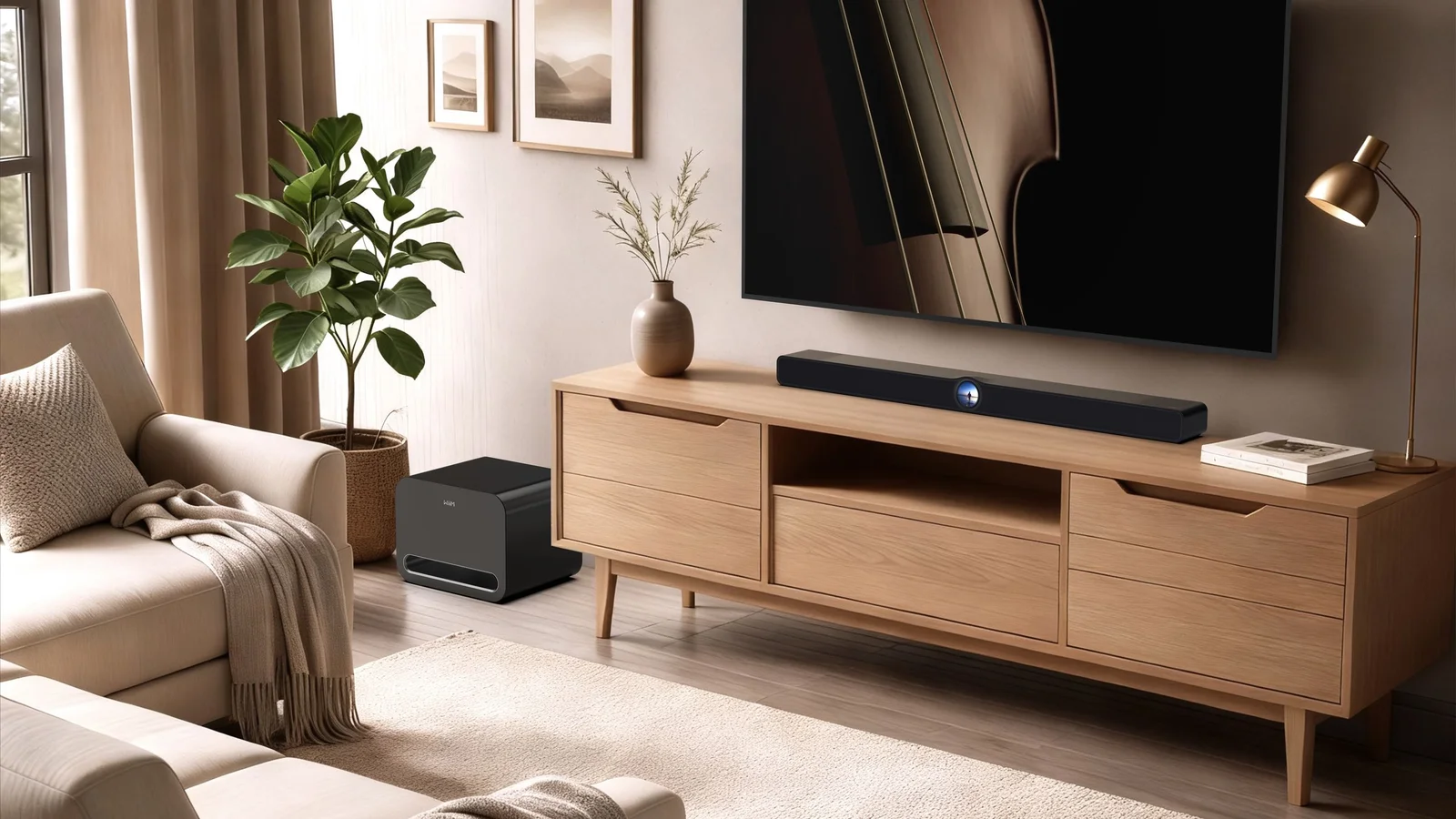
WiiM has unveiled its first Dolby Atmos soundbar, the WiiM Bar, a 3.0.2-channel eight-driver setup with top-firing height speakers, RoomFit auto-calibration, HDMI eARC, and streaming via the WiiM Home app (Spotify Connect, Tidal Connect, Qobuz, Roon). It launches in gloss black in July for £449 / $479, aiming to disrupt the market and challenge Sonos Beam Gen 2.
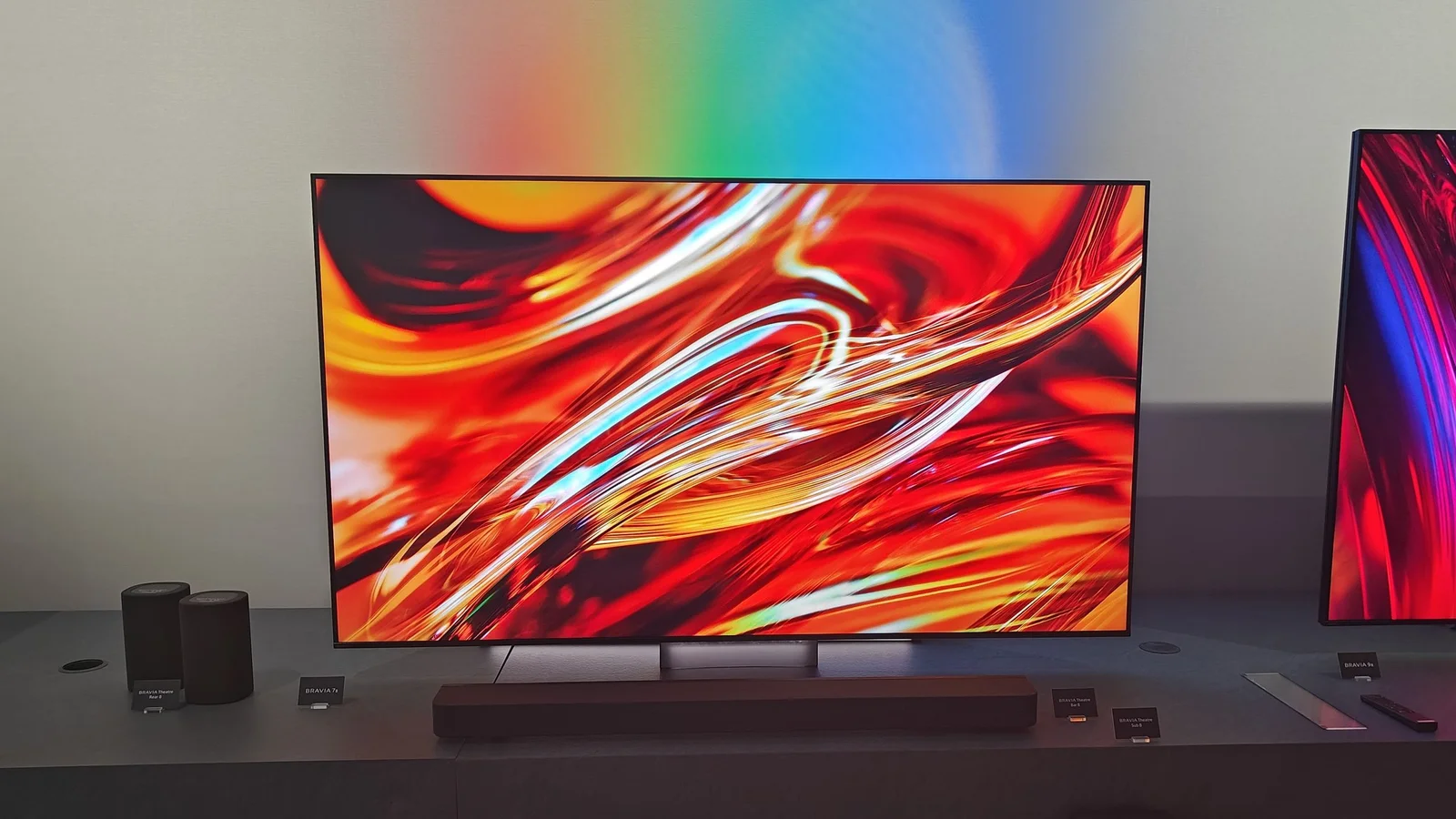
What Hi‑Fi.’s hands‑on with the Sony Bravia 7 II highlights a bold RGB Mini LED implementation with a new ‘mirage’ stand that hides cables and a refreshed remote. The 65-inch sample shows bright, punchy pictures with strong color and good wide‑angle performance thanks to X Wide Pro and the RGB Backlight Master Drive Pro, plus Studio Calibrated streaming modes. HDR10+ is not supported, there are four HDMI ports (two full‑bandwidth HDMI 2.1), and the launch price rises across sizes (including 50‑inch and 98‑inch) as Sony competes with LG and others. A full verdict will come after thorough lab testing.
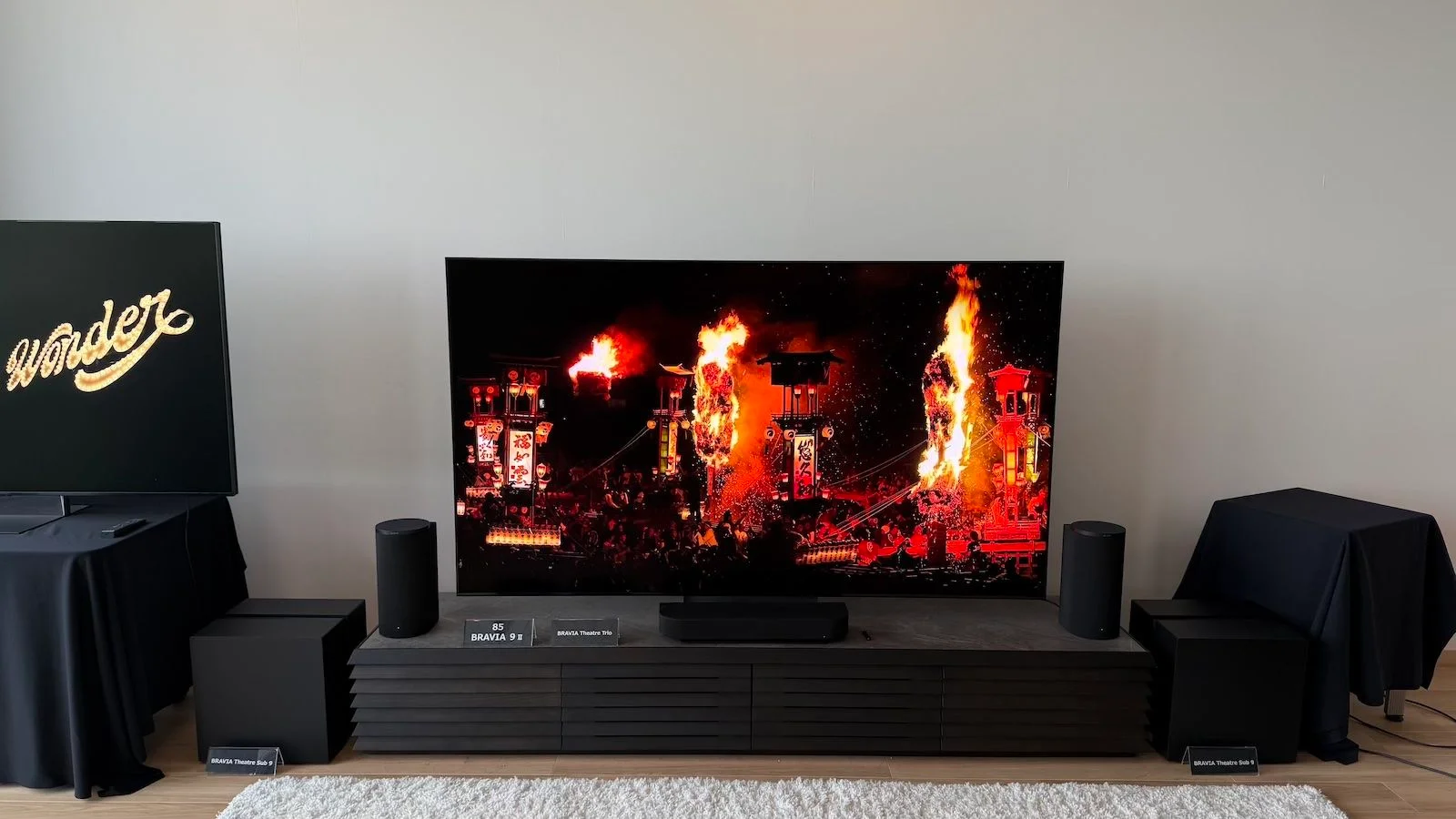
The hands‑on with Sony’s Bravia 9 II praises the True RGB RGB Mini LED backlight for superb brightness and color accuracy, a striking Mirage Stand, and improved built‑in sound, but notes lingering bloom/tint issues on tricky content and only two HDMI 2.1 ports, meaning it isn’t a clear OLED killer yet.
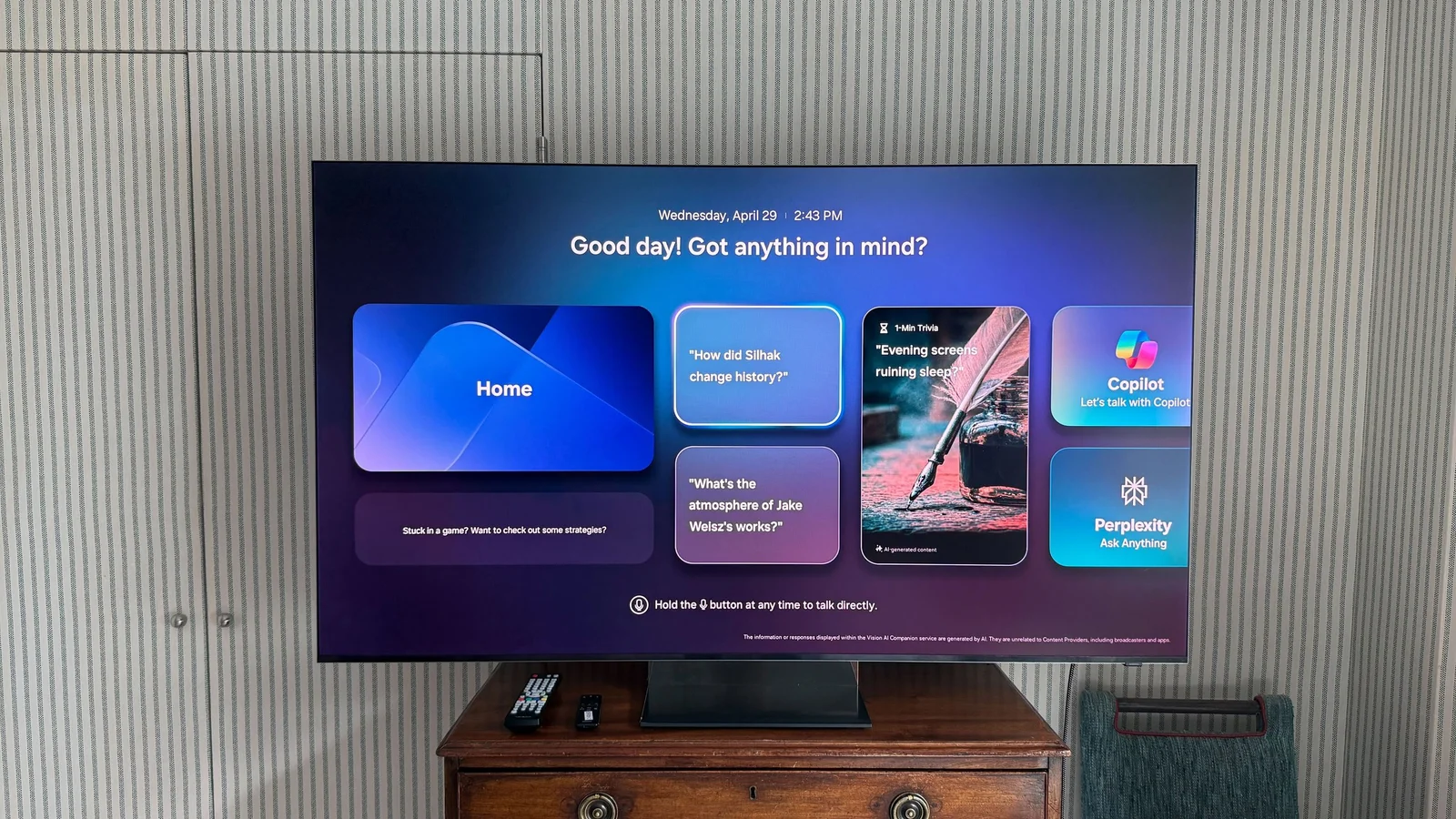
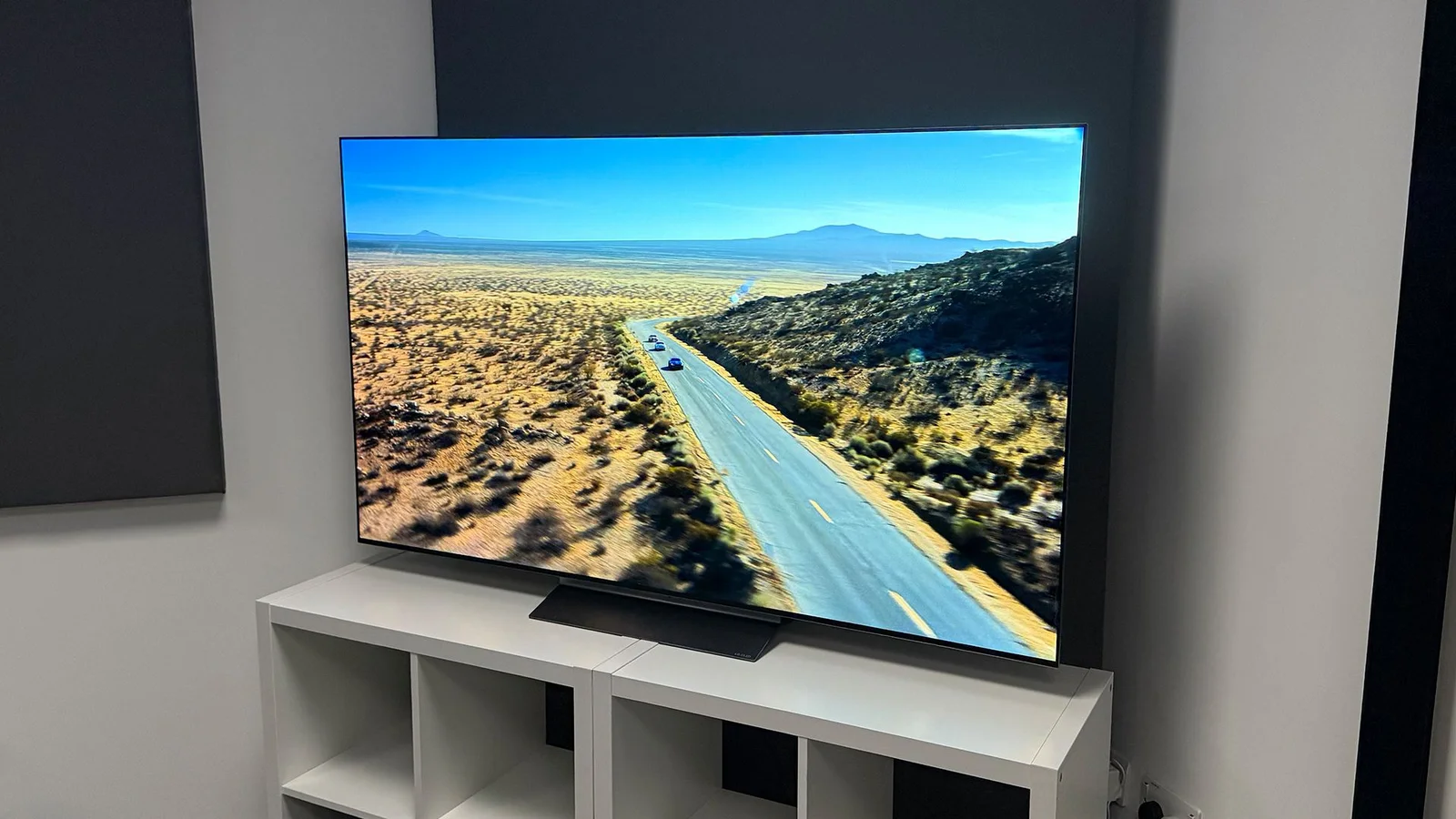
What Hi-Fi previews Samsung's 2026 TV lineup, which moves Neo QLED to mid-range and pushes RGB Micro LED to the foreground while expanding OLED options. In hands-on time, the RGB Micro LED R95H impressed with strong brightness and contrast on a 65-inch sample; the S90H mid-range model adds Glare Free for daytime viewing across sizes (42–83 inches) with a trade-off in blacks, and the top S99H OLED flagship uses QD-OLED for vivid color and brightness. Samsung remains tight-lipped on exact panel details, and full reviews are forthcoming.
LG’s 2026 TV lineup (including C6, G6 and W6 OLEDs plus RGB Mini LED models) will support Eclipsa Audio, Samsung and Google’s open-source 3D‑audio format, as an Atmos rival. Playback works through the TV’s built-in speakers or HDMI eARC devices, and the format is currently not supported by streaming services like Netflix, Disney+, or Apple TV+—it's aimed at YouTube content creators. This marks LG embracing a rival’s IAMF standard on its own TVs.
LG’s C6 OLED introduces premium features for its large 77" and 83" sizes with a Primary RGB Tandem OLED panel and the Alpha 11 Gen 3 processor, effectively making these models feel like a “G5+.” Meanwhile, smaller 55" and 65" C6s stick with WOLED, leaving the C-series in a gray area between mid-range and flagship. LG has nudged the C6 toward top-tier tech, but the lineup overlap and mixed signals across generations make it a confusing buy without hands-on testing to separate genuine differences from marketing.
LG Display has paused development of 8K OLED panels, effectively pulling LG out of the 8K TV market for now. The company’s remaining 8K option is LCD-based QNED models, while Samsung remains active in flagship 8K sets. The move comes amid scarce native 8K content and high prices, with Sony also halting 8K production, underscoring the difficult outlook for 8K TVs.
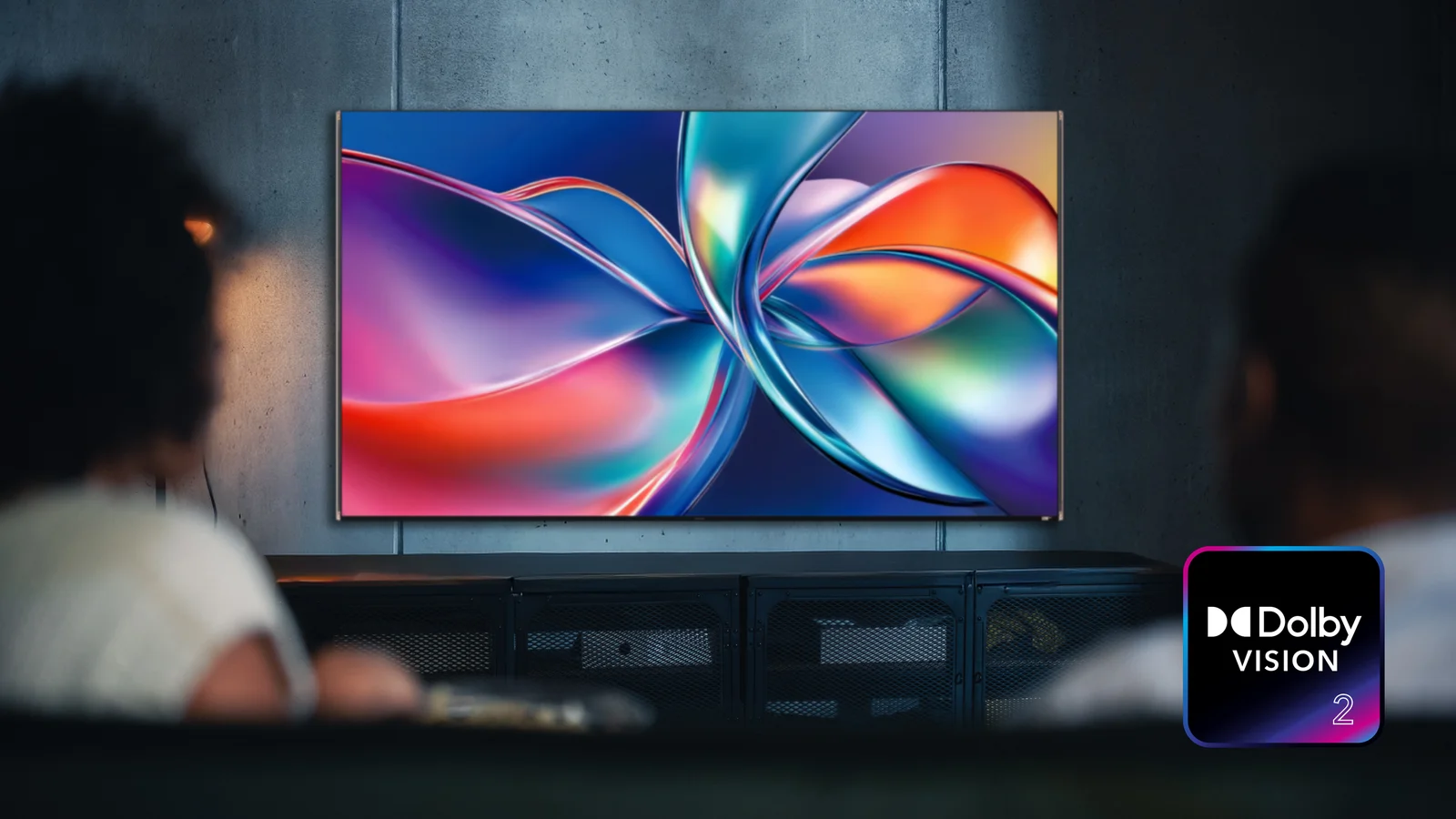
At CES 2026, Dolby Vision 2 and HDR10+ Advanced demos showcased brighter, more detailed HDR with improved motion handling and creator-driven metadata, as brands like Samsung and Hisense/TCL/Philips prepare to bring the formats to mainstream TVs this year. HDR10+ Advanced will have Amazon Prime Video as an early content partner, while Dolby Vision 2 Max targets higher-end models. While the tech looks promising, real-world testing and content availability remain key questions for 2026.