Tag

Diabetic Retinopathy

All articles tagged with #diabetic retinopathy

Lab-grown retinal vessels restore function in mice, fueling hope for blindness treatments
science7 days ago

Lab-grown retinal vessels restore function in mice, fueling hope for blindness treatments

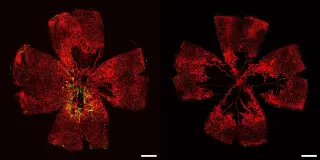
Duke University researchers used induced pluripotent stem cells (iPSCs) to grow retinal endothelial cells—the vessels lining the retina—and demonstrated they can form functional vascular networks in lab conditions. When injected into mouse models of retinal disease, the lab-grown cells integrated with existing tissue to rebuild blood vessels and restore retinal function, suggesting a cheaper, scalable path toward preventative therapies for conditions like diabetic retinopathy.
GLP-1 Receptor Agonists: Eye Safety Generally Reassuring Despite Rare Risks
health9 days ago

GLP-1 Receptor Agonists: Eye Safety Generally Reassuring Despite Rare Risks

A Medscape commentary from ADA 2026 reviews eye safety of GLP-1 receptor agonists, noting rare associations with nonarteritic anterior ischemic optic neuropathy (NAION) and concerns about rapid worsening of diabetic retinopathy (EWDR). Real-world data and EMA updates suggest the overall benefits of GLP-1s outweigh these small ocular risks, but clinicians should ensure up-to-date retinal screening and advise patients to report visual changes; ongoing trials (eg, FOCUS) and mixed studies on neovascular AMD yield no definitive risk signal. Clinicians are encouraged to individualize care and monitor ocular health when initiating GLP-1 therapy.

Stem-derived retinal vessels repair damaged retinas in mice, paving way for new eye therapies
science12 days ago

Stem-derived retinal vessels repair damaged retinas in mice, paving way for new eye therapies

Duke researchers derived retinal endothelial cells from human iPSCs, generated lab-grown retinal vasculature, and showed these cells can integrate into diseased mouse retina to rebuild vessels and restore barrier function, offering a scalable model for studying eye diseases and a potential preventative therapy.

Stem-derived retinal endothelium restores the inner blood-retina barrier and enables disease modeling
science13 days ago

Stem-derived retinal endothelium restores the inner blood-retina barrier and enables disease modeling

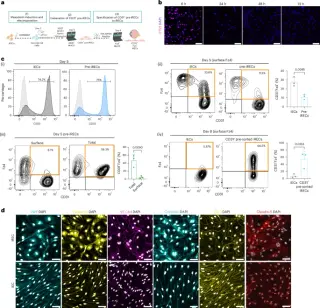
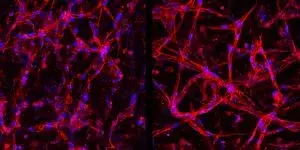
Researchers derived retinal endothelial cells from human iPSCs via the Norrin–Fz4–Wnt/β-catenin axis, enhanced barrier maturation with RepSox, and demonstrated retinal-specific markers, GLUT1/p‑gp transporter activity, and robust, lumenized 3D networks. In vivo, iRECs integrated into ischemic mouse retinas, promoting revascularization, restoring normal vascular morphology, and reducing permeability in an oxygen-induced retinopathy model. In vitro, iRECs formed functional iBRB microphysiological systems with retinal pericytes (iRPCs), recapitulating iBRB structure and barrier function. Transcriptomics confirmed retinal gene signatures aligning with primary RECs, though not fully matching HRECs. The work establishes iRECs as a scalable, tissue-specific cell source for retinal disease modeling (notably diabetic retinopathy) and therapeutic cell-based strategies, while acknowledging limitations in biomarker breadth and complex pericyte identity for future refinement.

Switching to Vapes May Raise Eye Disease Risk, Major Study Finds
health17 days ago

Switching to Vapes May Raise Eye Disease Risk, Major Study Finds

A large Korean study of 32,316 matched former smokers followed for about 4.6 years found that those who switched to electronic cigarettes or other smokeless nicotine products had a higher risk of major eye diseases than those who quit nicotine entirely. Specifically, switchers had a 24% higher risk of diabetic retinopathy and a 7% higher risk of refractive/accommodation disorders, with quitters showing 41.1 vs 44 cases per 1,000 person-years. The study observed 6,328 eye-disease events overall. Authors caution that the retrospective, self-reported data cannot prove causation, but the findings suggest substituting nicotine products may not eliminate eye-disease risk.

Aging Eyes: Simple Steps to Prevent Four Common Vision Threats
health27 days ago

Aging Eyes: Simple Steps to Prevent Four Common Vision Threats

As people age, four common eye conditions—diabetic retinopathy, glaucoma, cataracts, and macular degeneration—rise in risk, but most vision loss can be prevented or delayed through regular eye exams (starting after age 45 or when diabetes is diagnosed), a healthy lifestyle, controlling blood pressure, diabetes, and cholesterol, protecting eyes from UV light, and timely treatments such as cataract surgery or glaucoma management; support and rehabilitation options are available for those with visual impairment.

New Insights into Early Detection and Impact of Diabetes on Eye Health
health8 months ago

New Insights into Early Detection and Impact of Diabetes on Eye Health

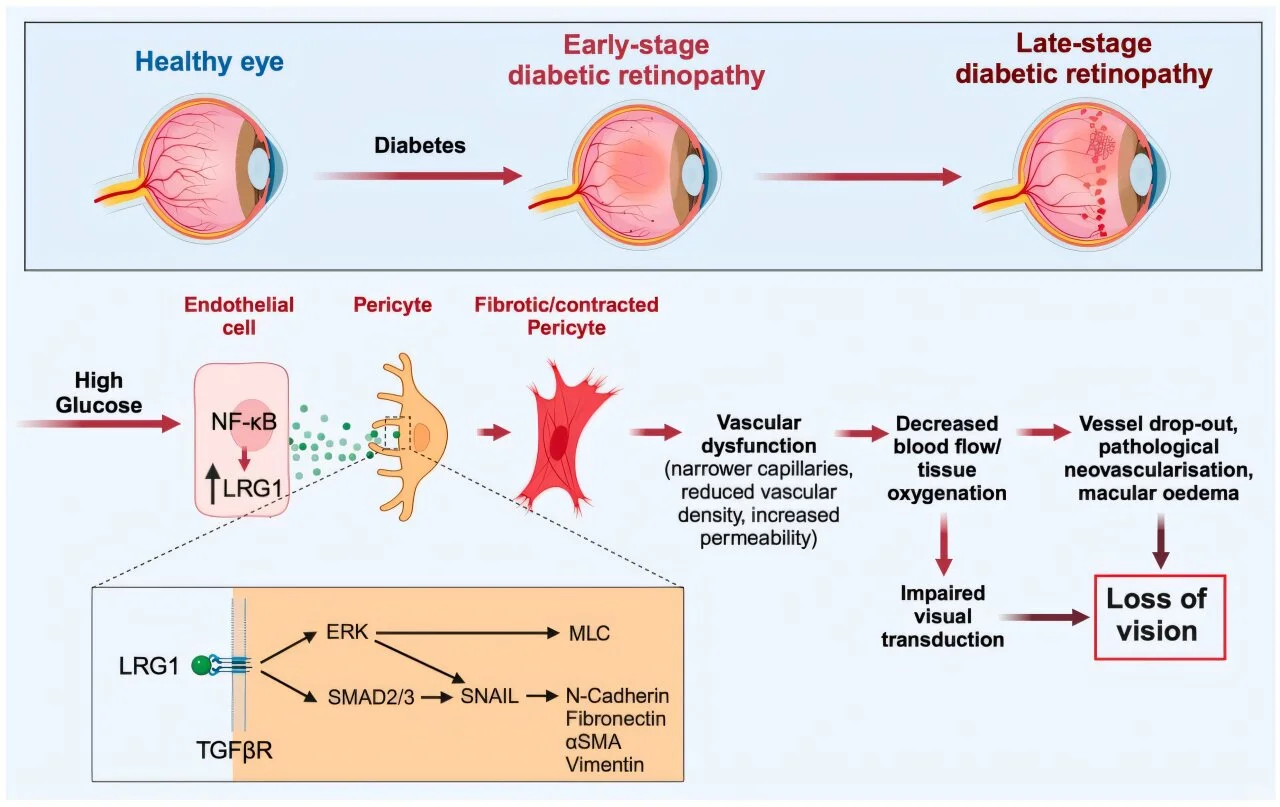
UCL scientists have identified the protein LRG1 as a key early trigger of diabetic retinopathy, suggesting that targeting this protein could prevent vision loss in people with diabetes before irreversible damage occurs. A drug targeting LRG1 is already in pre-clinical development, offering hope for more effective early intervention compared to current treatments.

Risks of Vision Loss Linked to GLP-1 Diabetes Drugs
health10 months ago

Risks of Vision Loss Linked to GLP-1 Diabetes Drugs

Recent studies on semaglutide, a GLP-1 medication, show conflicting results regarding its link to eye problems. While some research suggests a possible association with nonarteritic anterior ischemic optic neuropathy (NAION), overall evidence is inconclusive, and the medication appears not to significantly increase the risk of diabetic retinopathy or other eye disorders. Experts recommend ongoing research and regular eye exams for users.

Weight-Loss Drugs and Eye Health: What You Need to Know
health11 months ago

Weight-Loss Drugs and Eye Health: What You Need to Know

Recent studies suggest that GLP-1 agonist drugs like Ozempic and Wegovy, used for weight loss and diabetes management, may carry a small risk of serious eye conditions such as NAION and diabetic retinopathy, but the overall risk appears modest and requires further research. Patients with risk factors should consult their doctors and undergo regular eye exams to monitor eye health while on these medications.

Weight-loss and Diabetes Drugs Associated with Rare Eye Conditions and Vision Risks
health11 months ago

Weight-loss and Diabetes Drugs Associated with Rare Eye Conditions and Vision Risks

Recent studies suggest that GLP-1 agonists like Ozempic and Wegovy may slightly increase the risk of serious eye conditions such as NAION and diabetic retinopathy, but they also offer significant benefits for managing diabetes and obesity. Regular eye exams and careful risk assessment are recommended for users, especially those with pre-existing risk factors. Ongoing research aims to better understand these risks and improve patient safety.

Unseen Eye Symptoms: Early Indicators of Diabetes Risk
health1 year ago

Unseen Eye Symptoms: Early Indicators of Diabetes Risk

An overlooked symptom of diabetes, diabetic retinopathy, can lead to blindness if untreated, warns ophthalmologist Cindy Cai. This condition, caused by high blood sugar damaging the retina's blood vessels, highlights the importance of regular eye exams and lifestyle changes to manage blood sugar, blood pressure, and cholesterol. Early detection and treatment are crucial to prevent vision loss, especially for those with long-term diabetes, high blood pressure, or high cholesterol.

"AI Transforms Ophthalmology: A Game-Changer for Eye Exams"
healthcare-technology2 years ago

"AI Transforms Ophthalmology: A Game-Changer for Eye Exams"

Artificial intelligence algorithms are revolutionizing eye exams for diabetic retinopathy, offering quick diagnoses without the need for a doctor's presence. This technology has shown significant benefits for both patients and providers, providing immediate results, cost savings, and convenience. Despite some concerns about potential downsides, such as missing other diseases and over-referring patients, the AI system has proven to increase follow-up rates after positive results. With FDA-approved AI eye exams being adopted by hundreds of practices nationwide, the technology is expanding to include additional cameras and other eye diseases, positioning ophthalmology as a field where AI innovation is rapidly advancing.

"Microscopic Marvels: Unveiling the Winners of Nikon Small World 2023 Contest"
science-and-technology2 years ago

"Microscopic Marvels: Unveiling the Winners of Nikon Small World 2023 Contest"

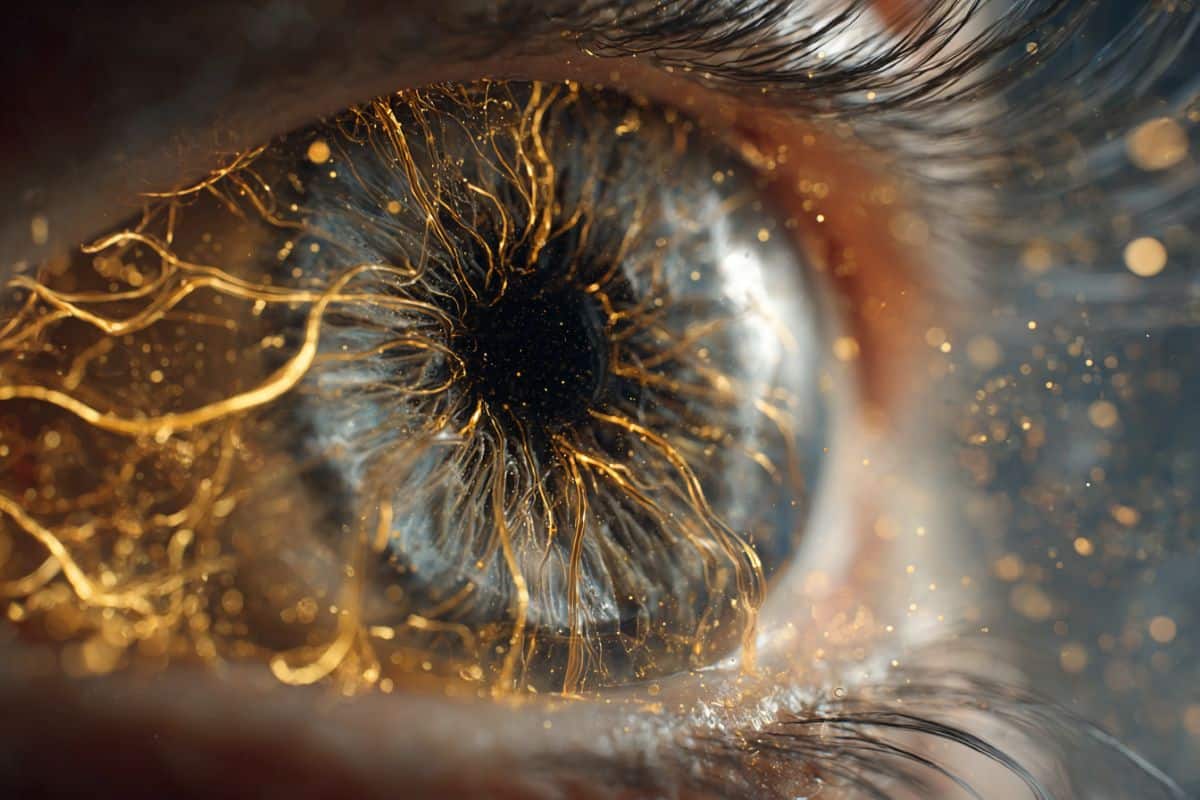
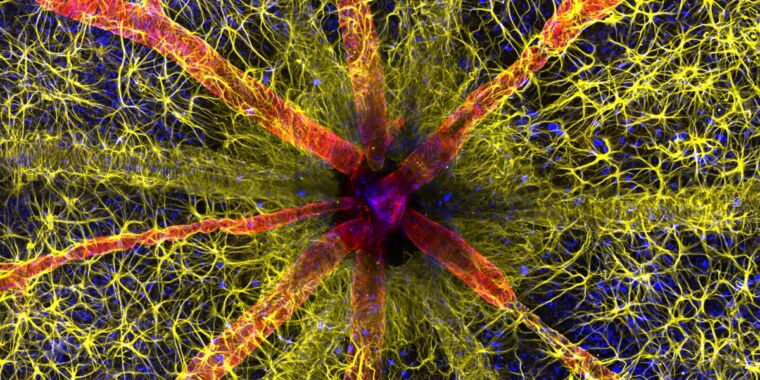
The winners of the 2023 Nikon Small World Photomicrography Competition have been announced, showcasing stunning images captured through photomicrography. The winning image, taken by Hassanain Qambari and Jayden Dickson, depicts the optic nerve head of a rodent with intricate detail, highlighting their research on early detection and reversal of diabetic retinopathy. The competition aims to celebrate the beauty of science and inspire young scientists to pursue careers in STEM. The top 20 winners include images of a matchstick igniting, tarantula fangs, crystallized sugar syrup, and more.