
Endothelial cells adapt to VEGFR2 loss by becoming venous, revealing a new angiogenesis mechanism
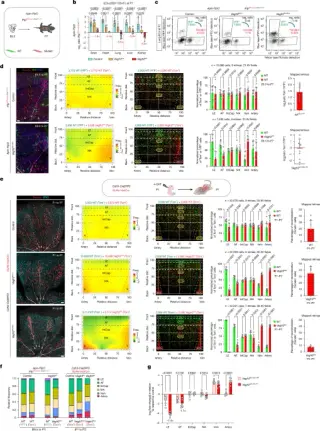
Researchers found that endothelial cells lacking the VEGFR2 receptor can survive and proliferate by adopting a venous identity, a process called venousization. While VEGFR2 is essential for initial blood vessel sprouting, its absence does not prevent long-term vascular growth in veins, which serve as a continuous source for new vessels. This adaptation mechanism may explain resistance to anti-VEGF cancer therapies.