Tag

Cancer Therapy

All articles tagged with #cancer therapy

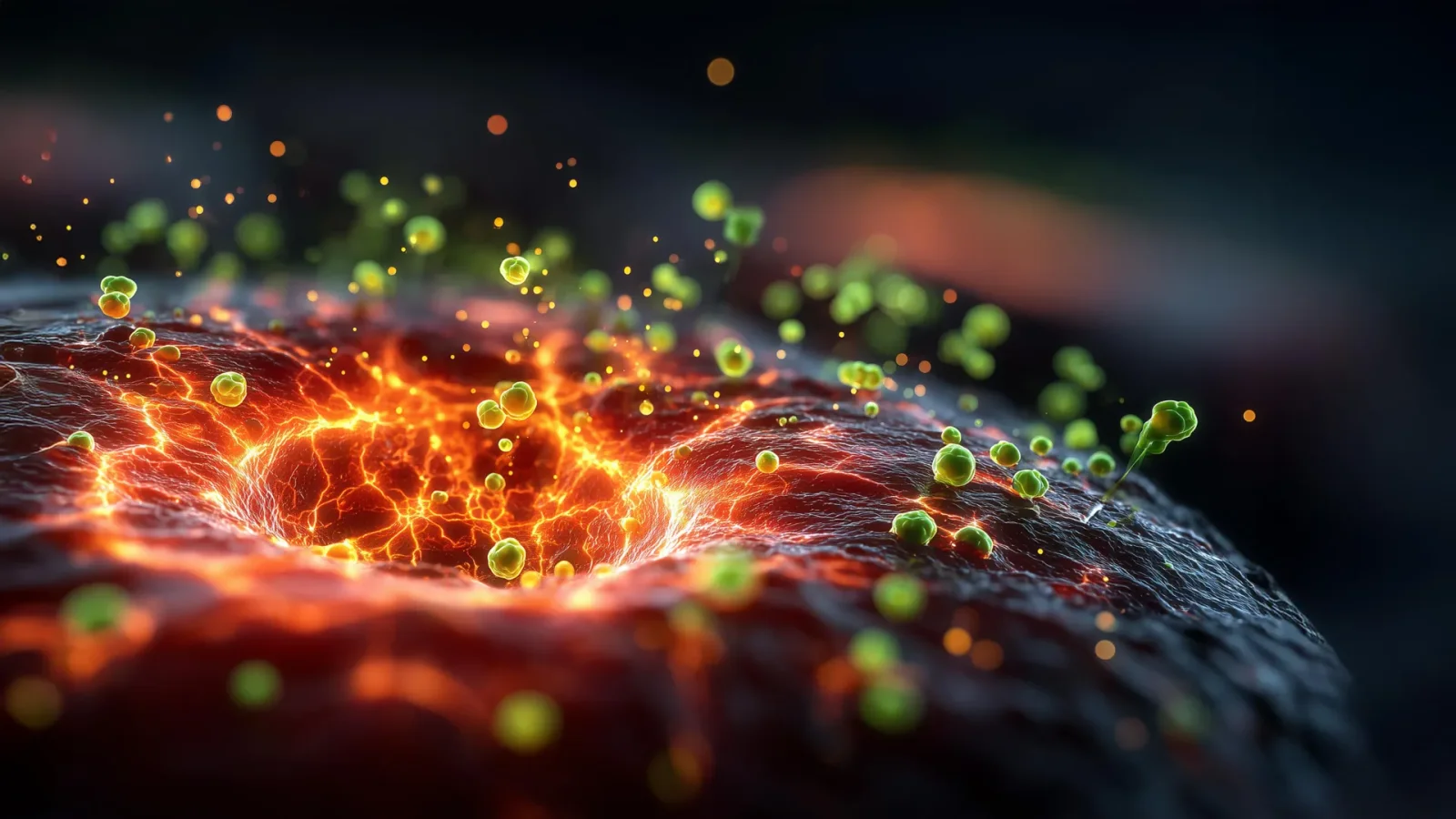
Light-Activated Molecular Jackhammer Destroys 99% of Cancer Cells in Lab
science4 days ago

Light-Activated Molecular Jackhammer Destroys 99% of Cancer Cells in Lab

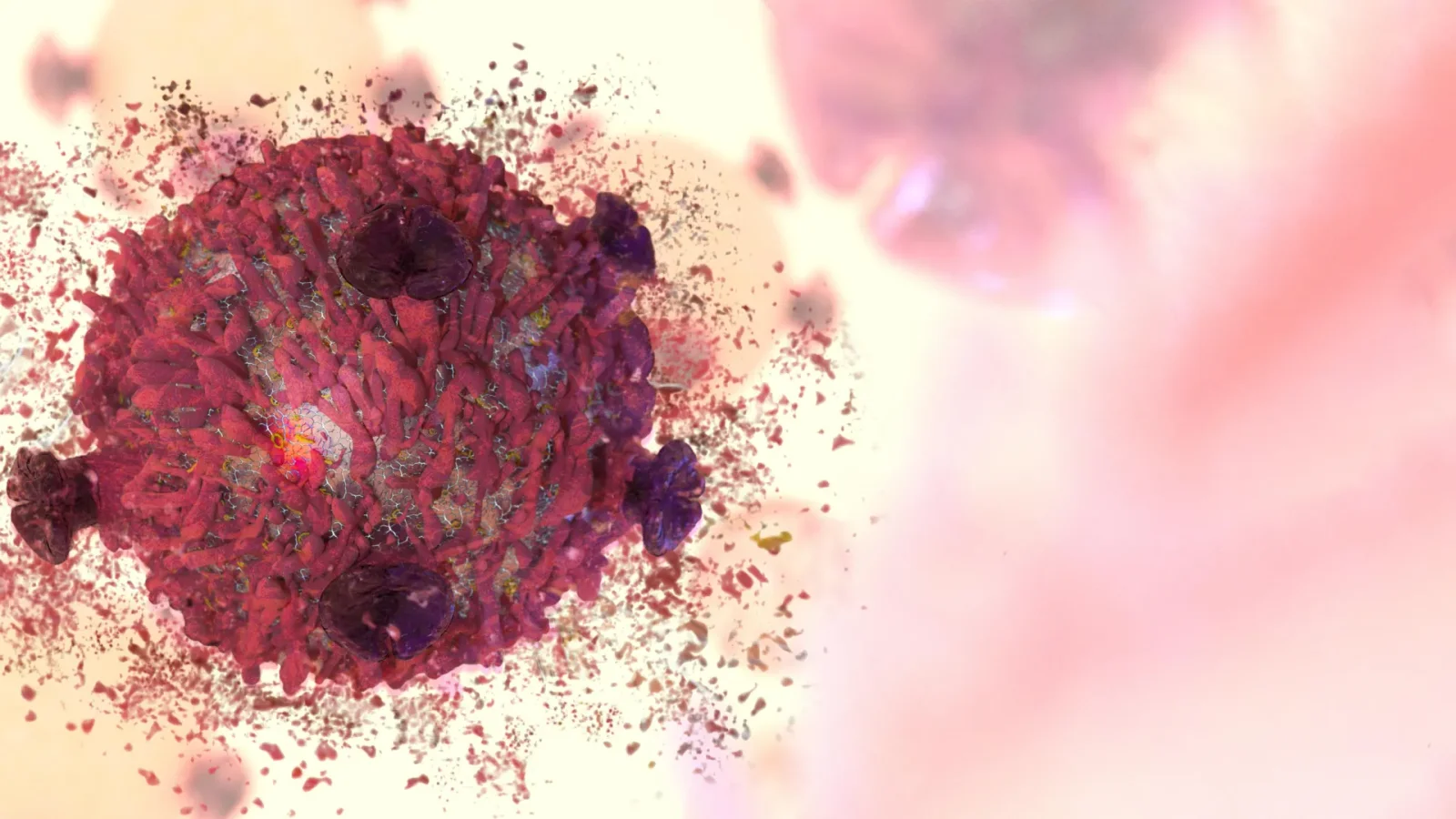
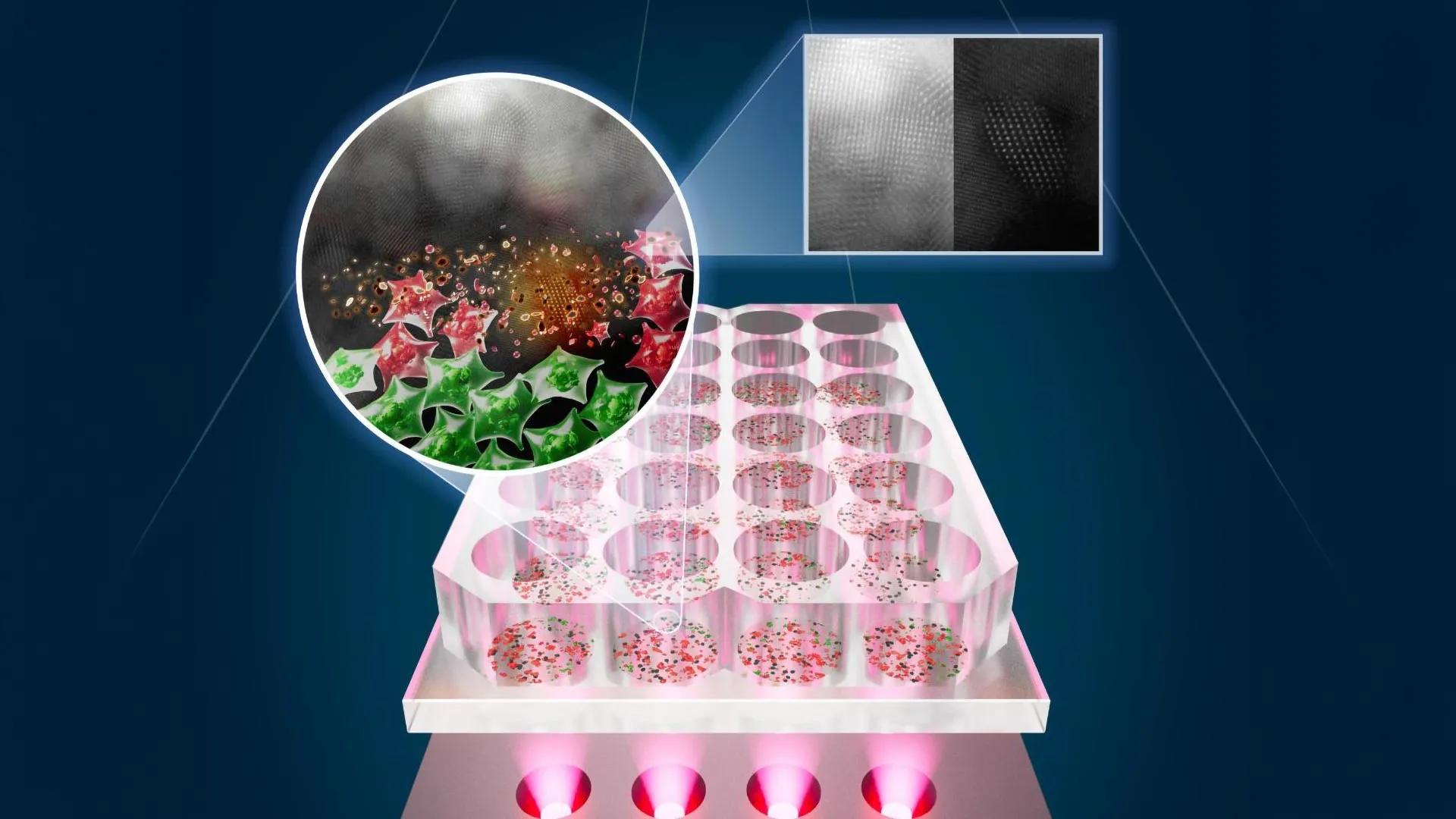
Scientists report a novel mechanical cancer-killing approach dubbed the molecular jackhammer, which uses aminocyanine dyes activated by near-infrared light to tear apart cancer cell membranes, achieving about 99% destruction in lab cultures and curing roughly half of melanoma mouse models; ongoing work aims to broaden cancer targets with reduced toxicity, but human trials are not yet underway.

Parabilis Breaks VC-Backed Biotech IPO Record on Nasdaq Debut
business1 month ago

Parabilis Breaks VC-Backed Biotech IPO Record on Nasdaq Debut

Parabilis Medicines, formerly FogPharma, priced its IPO at $20 and closed its Nasdaq debut at $31.60, raising about $670 million and becoming the largest VC-backed biotech IPO. Led by lead candidate zolucatetide and buoyed by a 2025 FDA Fast Track designation and a Regeneron collaboration, the momentum follows six venture rounds as the biotech window reopens for public listings.

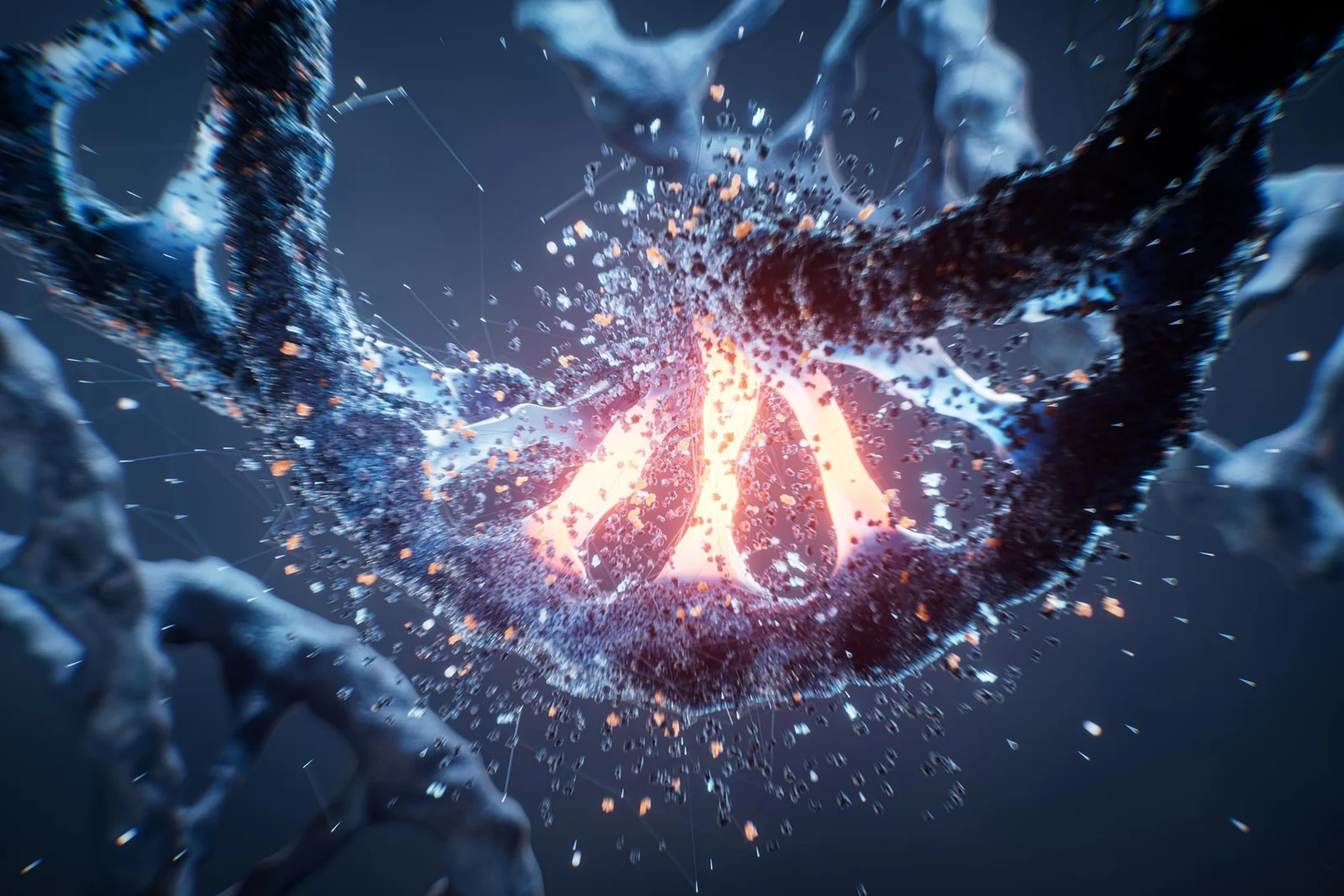
Cancer-fighting Strategy: Turning Iron-Heavy 'Zombie' Cells Against Their Tumors
science2 months ago

Cancer-fighting Strategy: Turning Iron-Heavy 'Zombie' Cells Against Their Tumors

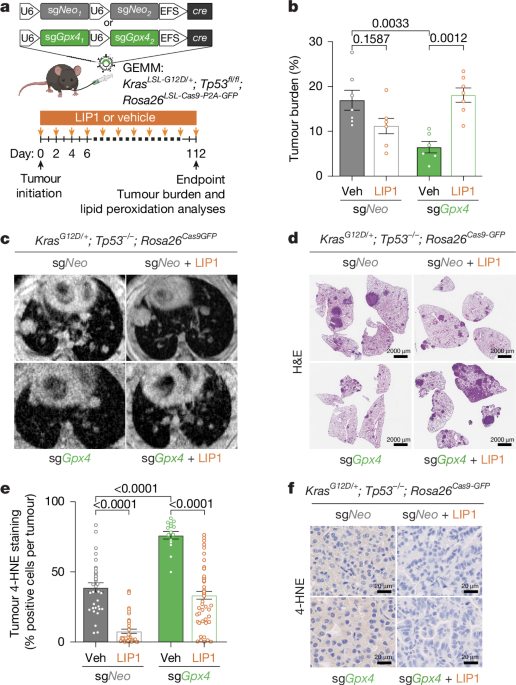
Researchers uncovered a vulnerability in senescent “zombie” cells that accumulate in tumors and aging tissues: they rely on GPX4 to shield themselves from iron-driven ferroptosis. Blocking GPX4 with covalent inhibitors exposes these iron-loaded cells to ferroptotic death. In a screen of 10,000 compounds, four senolytics stood out, three targeting GPX4, and testing in three mouse cancer models showed reduced tumor size and improved survival, suggesting potential to combine this approach with chemotherapy or immunotherapy. Ongoing work will identify which cancers and patients are most likely to benefit and how this affects anti-tumor immunity.

Dual-ROS Iron MOF Nanotherapy Eradicates Tumors in Mice
health-and-medicine4 months ago

Dual-ROS Iron MOF Nanotherapy Eradicates Tumors in Mice

OSU researchers developed an iron-based metal-organic framework nanomaterial that, inside tumor cells, catalyzes both hydroxyl radical and singlet oxygen production, delivering a dual ROS attack that eradicated breast cancer tumors in mice with no systemic toxicity and sparing healthy tissue; this chemodynamic therapy approach is being tested on other cancers before advancing to human trials.

Engineered Microbes Target Tumors by Colonizing Oxygen-Starved Cores
health-and-medicine4 months ago

Engineered Microbes Target Tumors by Colonizing Oxygen-Starved Cores

Researchers at the University of Waterloo are engineering Clostridium sporogenes bacteria to invade oxygen-poor tumor cores and consume nutrients from inside, potentially destroying tumors. They added an oxygen-tolerance gene and use quorum sensing to activate it only after enough bacteria accumulate, limiting safety risks. Next steps combine both features in a single strain and test in preclinical trials, showcasing interdisciplinary synthetic-biology cancer research.

Coffee-Triggered CRISPR: A Reversible Jab at Precision Gene Therapy
science5 months ago

Coffee-Triggered CRISPR: A Reversible Jab at Precision Gene Therapy

Texas A&M researchers report a chemogenetic system that links CRISPR activity to caffeine, enabling controllable, reversible gene editing and T‑cell activation via a “caffebody,” with safety shutoffs using rapamycin. This approach aims for more precise cancer therapies and other long‑term treatments, pending further preclinical studies.

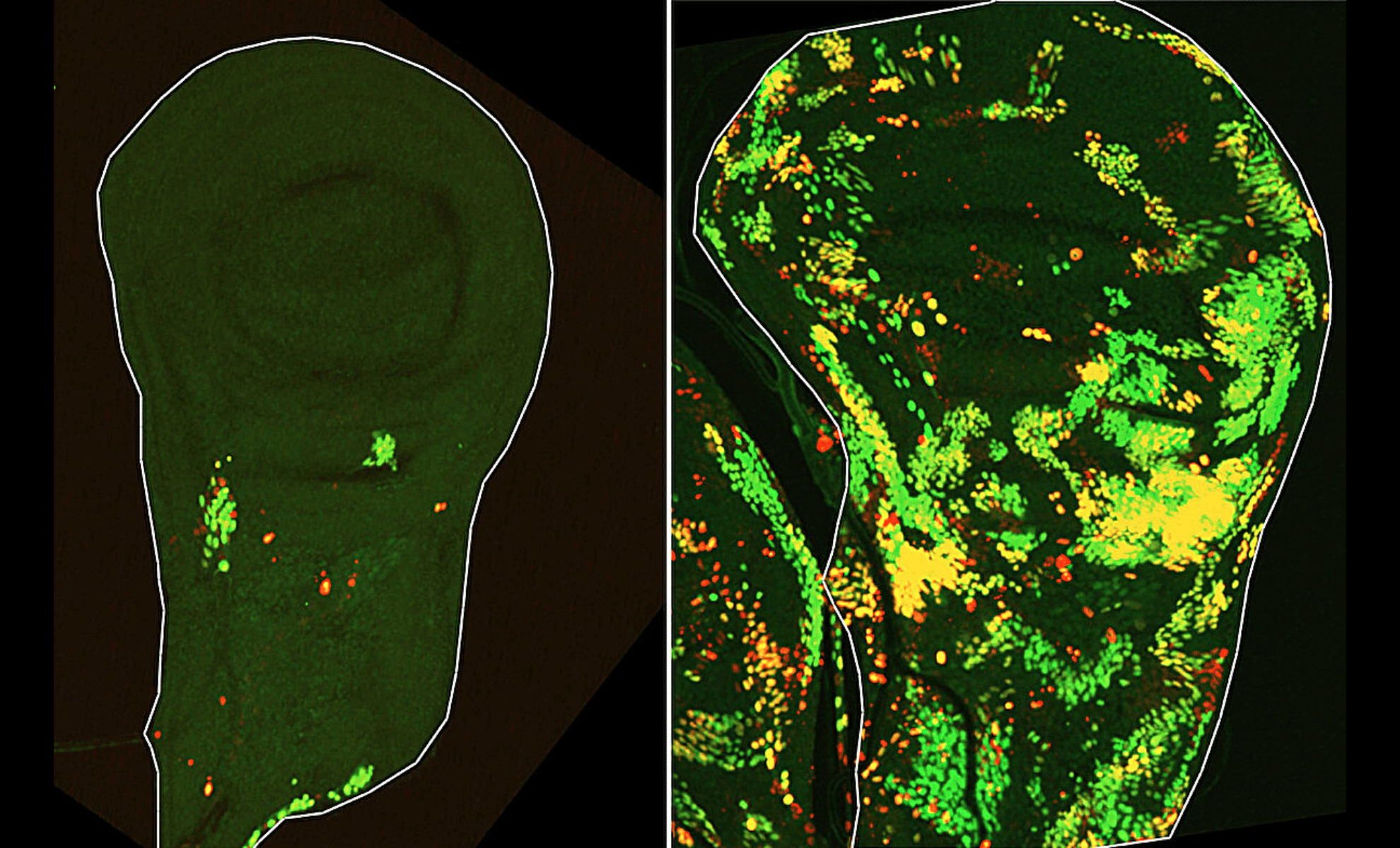
New Research Solves 50-Year Tissue Regeneration Mystery
science6 months ago

New Research Solves 50-Year Tissue Regeneration Mystery

New research uncovers the molecular mechanisms behind tissue regeneration, identifying DARE and NARE cells that resist death and contribute to healing, with implications for understanding cancer resistance and improving therapies. The study highlights a motor protein that prevents apoptosis in DARE cells and reveals how resistance traits are inherited, potentially explaining tumor recurrence after radiation treatment.