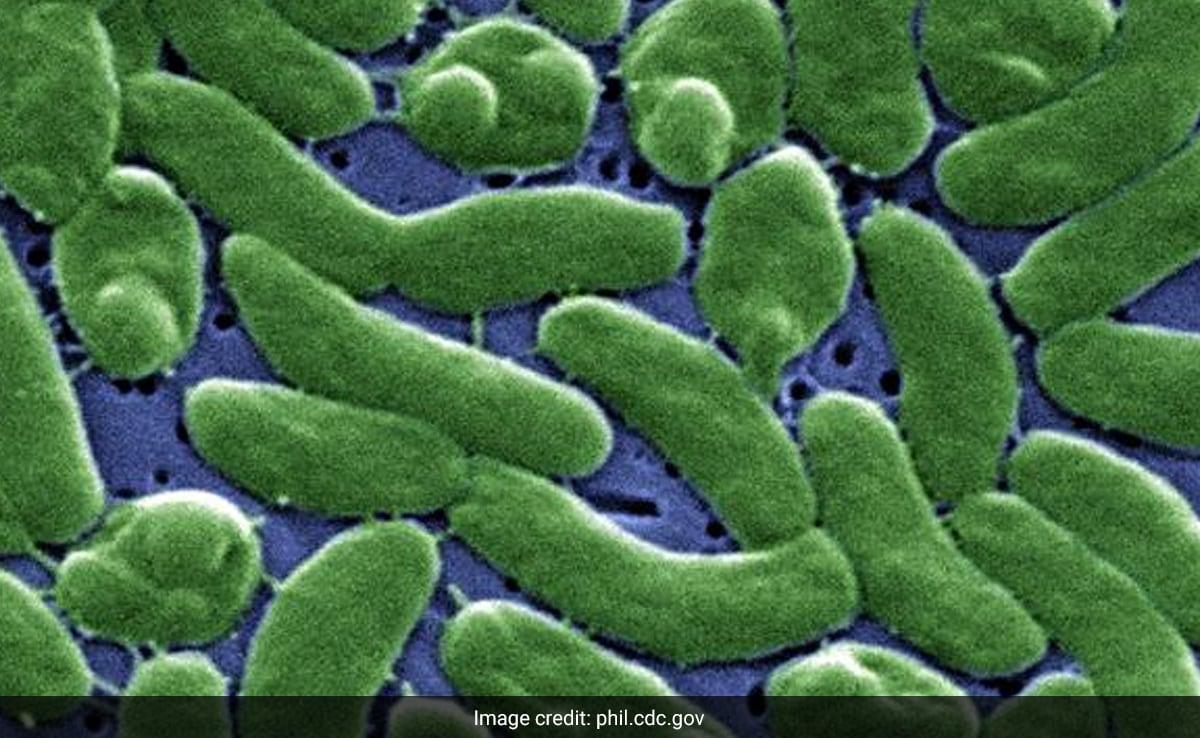
Louisiana health officials say nine people have contracted Vibrio vulnificus and five have died this year; warmer seawater is boosting cases and pushing the bacteria farther north, prompting cautions for beachgoers.
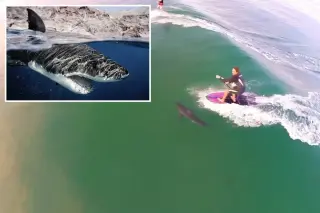
A drone video from Manhattan Beach captures surfers paddling on a small wave with a great white shark lurking nearby, illustrating rising near‑shore shark sightings along Southern California as water temperatures warm and El Niño-like patterns emerge, with scientists warning of a potentially sharkier summer even though bites remain rare.
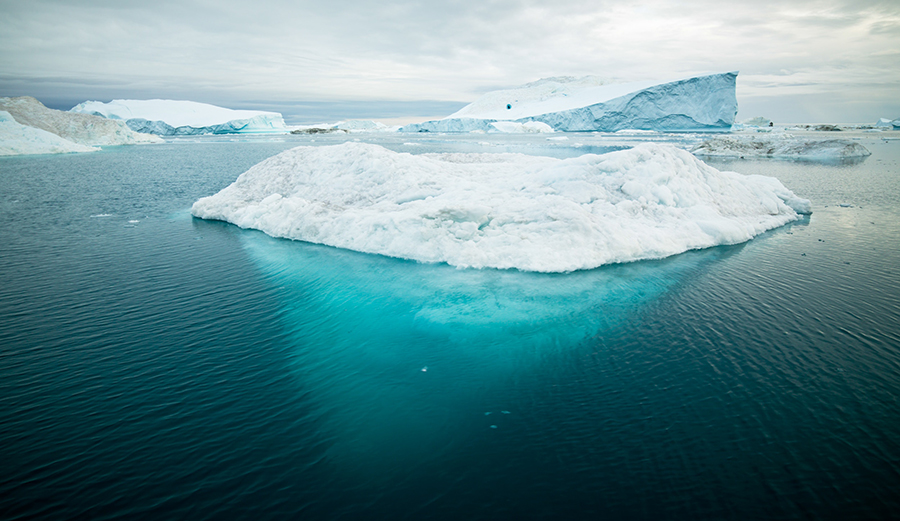
Warming waters in the Arctic Ocean, particularly in the Beaufort Sea region, are causing the ocean to release more carbon dioxide than it absorbs, according to a study by NASA's Jet Propulsion Laboratory. The culprit is the runoff from Canada's Mackenzie River, which carries carbon and sediment into the ocean, resulting in outgassing. The warmer temperatures in recent years have led to increased thawing and runoff, triggering a net release of carbon dioxide equivalent to the annual emissions of 28,000 gasoline-powered cars. This study highlights the significant impact of small changes in the ocean on the global carbon cycle.
Warming waters are causing a rise in infections with the rare flesh-eating bacteria Vibrio vulnificus, which is moving along the US east coast. Vibrio vulnificus can cause life-threatening wound infections, and many people with the infection require intensive care or limb amputations, with about 1 in 5 people with this infection dying. The bacteria is predicted to spread up to New Jersey and New York, which could result in doubling the number of cases annually.