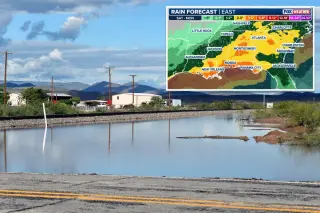
A surge of tropical moisture from the Gulf and Caribbean is driving a week-long rain event across the East Coast, with the heaviest totals expected in the Deep South. Forecasters warn of flash flooding risks in Louisiana, Mississippi, and Alabama, while the Northeast faces a milder impact.
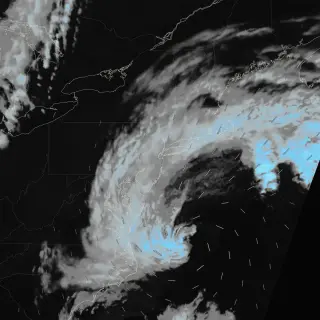
A powerful early-season nor'easter has battered the US Northeast, causing one death, widespread coastal flooding, and significant travel disruptions. The storm, which features hurricane-like characteristics, has knocked out power for over 100,000 customers and forced the cancellation of major events.
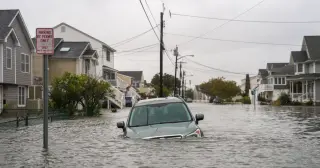
A slow-moving nor'easter battered the U.S. Northeast on September 26-27, 2026, causing one fatality, widespread coastal flooding, and power outages for over 100,000 customers. The storm, which brought wind gusts up to 60 mph and waves reaching 20 feet, forced the cancellation of hundreds of flights, major concerts, and sports events. Coastal communities in New Jersey and New York faced severe inundation, with some areas experiencing their worst flooding since Hurricane Sandy in 2012. Emergency services responded to multiple incidents, including a tree that killed a housing authority employee in Brooklyn and another that injured four people, including two children, in a playground. The storm's impact was prolonged, with forecasts indicating continued high tides and heavy rain through Monday.
A powerful fall nor'easter is battering the U.S. East Coast, causing significant coastal flooding, high winds, and widespread event cancellations from North Carolina to New England. Simultaneously, Hurricane Nolo is strengthening south of Hawaii, threatening the Big Island and Maui with heavy rain and potential major hurricane status.
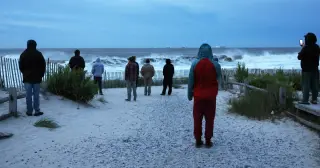
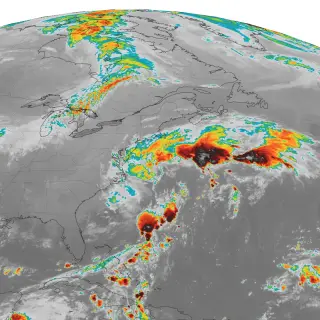
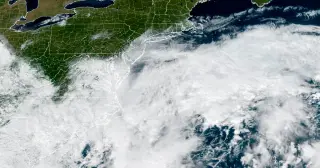
A strengthening nor'easter located 200 miles east of Cape Hatteras, North Carolina, is forecast to move northward, potentially making landfall in New Jersey on Sunday. The system is expected to generate 15-to-25-foot waves and heavy rain, posing significant risks of coastal flooding and beach erosion across the Northeast.
A rare September nor'easter is expected to impact the East Coast this weekend, bringing heavy rain, damaging winds, and significant coastal flooding from North Carolina to Massachusetts. Forecasters have high confidence in a long-duration onshore wind event, with the Virginia Beach-to-Norfolk area at the highest risk for major inundation. Meanwhile, Tropical Storm Nolo threatens heavy rain and flash flooding in Hawaii, with potential hurricane-force winds on the Big Island and Maui.
A powerful nor'easter is expected to impact the U.S. Northeast this weekend, bringing heavy rain, strong winds, and significant coastal flooding from New Jersey to Maine. The storm, described as the season's first nor'easter, is forecast to produce gusts of 40 to 60 mph and localized flooding, with the most severe impacts anticipated from late Friday through Sunday. While forecast models still disagree on the exact track, there is high confidence in a long-duration onshore wind event that could cause major coastal inundation, particularly in southeastern Virginia and New England.
A developing nor'easter threatens millions along the East Coast with heavy rain, dangerous coastal flooding, and high surf through the workweek. Persistent onshore winds and rising seas could cause flooding and dune erosion from the Outer Banks to New England, with gusts up to 40–60 mph and surf heights of 15–18 feet, depending on the storm's track.
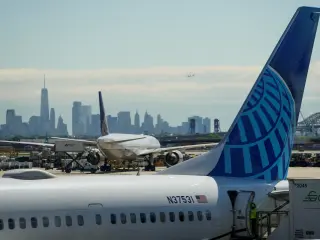
A fiber line cut in New Jersey during Amtrak construction triggered an FAA equipment outage that forced ground stops at major East Coast airports (JFK, LaGuardia, Newark, Boston Logan, Philadelphia). Newark experienced the heaviest disruption with 1,000+ delays or cancellations, while nationwide delays neared 4,000 with about 500 cancellations. Some airports resumed operations, but Newark, JFK, and Teterboro remained paused as restoration could take up to 13 hours.
BuzzFeed’s Community roundtable collects firsthand stories about the culture shocks of moving between the East and West Coasts, highlighting differences from weather and daily driving norms to food quality and social interactions that make each coast feel like a different world.
A line of thunderstorms sweeping from Washington, D.C. to New Haven, CT prompted flood alerts for about 39 million people. New York City opened 51 weather shelters for residents at risk, especially those in basement or below‑grade units. The National Weather Service issued flood watches for portions of Maryland, Pennsylvania, Delaware and New Jersey, with NYC’s watch running 4 a.m.–noon Sunday. Forecasters warned 5–7 inches of rain could fall in Nassau and Suffolk counties and southern Connecticut, with eastern Brooklyn and Queens at higher flash‑flood risk if the rain’s setup shifts. The threat stems from a clash of cool air aloft with moist, warm air, increasing the chances of excessive rainfall and severe thunderstorms.
A SpaceX Falcon 9 rocket launched from Cape Canaveral carrying 29 Starlink satellites produced a rare noctilucent, jellyfish-shaped cloud visible along the East Coast for a brief time before it dissipated.
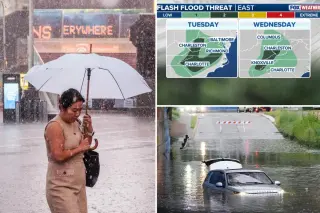
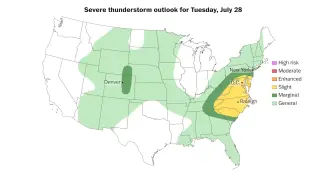
A developing storm system brings a slight risk of severe thunderstorms across the Mid-Atlantic to the Southeast on Tuesday, with damaging winds and a small tornado threat, and could trigger significant rainfall/flooding from the Hudson Valley to the NYC area through Thursday.
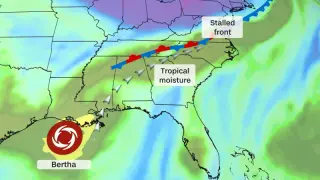
Tropical Storm Bertha is weakening but a broad plume of tropical moisture linked to the system will fuel heavy rain and a multi-day flood threat from the Mid-Atlantic to the Southeast through Thursday and into Friday. The storm’s center is expected to move along the Louisiana and upper Texas coasts before dissipating in Texas, while rain totals in the region reach 2–4 inches (locally 6 inches) along the Texas Gulf Coast; further east, rainfall could be heavy enough to cause flash and urban flooding, with some areas facing a potential month’s worth of rain in a few days. Forecasters have placed a Level 3 of 4 flood risk on parts of the Virginia–North Carolina border Thursday into Friday, and Level 2 of 4 from coastal North Carolina through South Carolina and into northern Georgia and northeast Alabama on Friday, with upgrades possible as forecasts firm up. This flood threat compounds ongoing rainfall concerns from a separate West Virginia flooding event earlier in the week.
A weeklong East Coast heat wave has killed at least 25 people, with most deaths in New Jersey (22), as 40 million people are under heat alerts and 18 July Fourth record highs were set from Washington to Baltimore. Heat indices are expected to reach 100–105°F, while weekend storms bring damaging winds and flash flood risks; millions are without power and 2–8 inches of rain are forecast through Monday. Temperatures are expected to ease later this week.