Tag

Flesh Eating Bacteria

All articles tagged with #flesh eating bacteria

Warming Gulf Waters Spark Rapid Flesh-Eating Infection Requiring Amputation
health28 days ago

Warming Gulf Waters Spark Rapid Flesh-Eating Infection Requiring Amputation

A 74-year-old Florida man developed a rapidly spreading Vibrio vulnificus infection after a leg wound from Gulf waters; within three days his leg was necrotic and he required amputation and skin grafts. The case highlights rising Vibrio infections linked to warmer waters and climate change, with mortality up to 50–60% for vulnerable patients and near 100% if untreated; public health guidance advises thoroughly cooked seafood and avoiding brackish water with open wounds.

Long Island Waters Harbor Deadly Vibrio Bacteria Hotspots
health1 month ago

Long Island Waters Harbor Deadly Vibrio Bacteria Hotspots

Researchers warn that Vibrio vulnificus, a flesh-eating bacterium, has hotspots in several Long Island waters (Sagaponack Pond, Mecox Bay, Georgica Pond). The bacteria can infect open wounds or contaminate shellfish, with infections potentially fatal within 48 hours; vulnerable individuals should avoid swimming or shellfishing in warmer months and some areas have been closed to shellfishing.

Warm Seas, Deadly Bacteria: A Florida Case of Vibrio vulnificus That Cost a Leg
health1 month ago

Warm Seas, Deadly Bacteria: A Florida Case of Vibrio vulnificus That Cost a Leg

A NEJM case report describes a 74-year-old Florida man whose leg was nearly destroyed by Vibrio vulnificus causing necrotizing fasciitis, leading to above-knee amputation and skin grafts; the infection highlights rising risk from warmer coastal waters tied to climate change, with cases increasing in the U.S. and a substantial fatality rate despite treatment, prompting efforts to predict and prevent outbreaks.

Flesh-Eating Bacteria Outbreak Claims Multiple Lives Along Gulf Coast and Florida
health8 months ago

Flesh-Eating Bacteria Outbreak Claims Multiple Lives Along Gulf Coast and Florida

Louisiana has reported five deaths in 2025 from Vibrio vulnificus, a flesh-eating bacterium in warm coastal waters, significantly higher than the usual annual average, likely linked to rising sea temperatures due to climate change. Most cases involved wounds exposed to seawater, with many patients having underlying health conditions. The bacteria pose serious health risks, including death and limb amputation, emphasizing the need for public awareness and caution around coastal waters.

Uninsured Man with Flesh-Eating Bacteria Discharged, Hospital Responds
local-news8 months ago

Uninsured Man with Flesh-Eating Bacteria Discharged, Hospital Responds

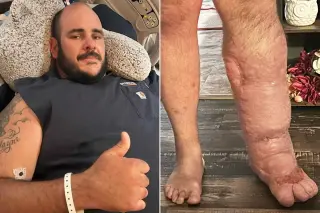
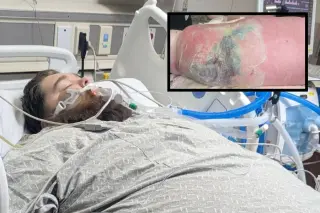
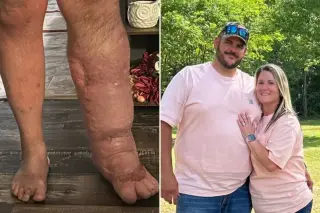
A Jacksonville man with flesh-eating bacteria claims he was discharged early from the hospital due to lack of insurance, but the hospital states they treat all patients compassionately and encourage financial assistance. The man is now worried about his health and his business, but his leg may avoid amputation. The CDC provides guidelines to prevent such infections.

Rising Flesh-Eating Bacteria Cases Highlight Growing Health Risks
local-news8 months ago

Rising Flesh-Eating Bacteria Cases Highlight Growing Health Risks

A Jacksonville man, Nate Manor, was hospitalized for weeks after contracting flesh-eating bacteria, likely from cutting weeds and grass near his home, and is now recovering with skin grafts. He expresses pain and concern about his recovery, supporting himself through his irrigation business without insurance, while health officials advise precautions to prevent such infections.

Rising Flesh-Eating Bacteria Cases Highlight Growing Health Risks
environment8 months ago

Rising Flesh-Eating Bacteria Cases Highlight Growing Health Risks

Climate change is increasing the prevalence of flesh-eating bacteria like Vibrio vulnificus in warmer, brackish waters, leading to more infections, especially as global temperatures rise and people spend more time in water, with vulnerable populations at higher risk. The rise in sea temperatures and extreme weather events are contributing to the spread and severity of waterborne pathogens, posing growing health risks.