
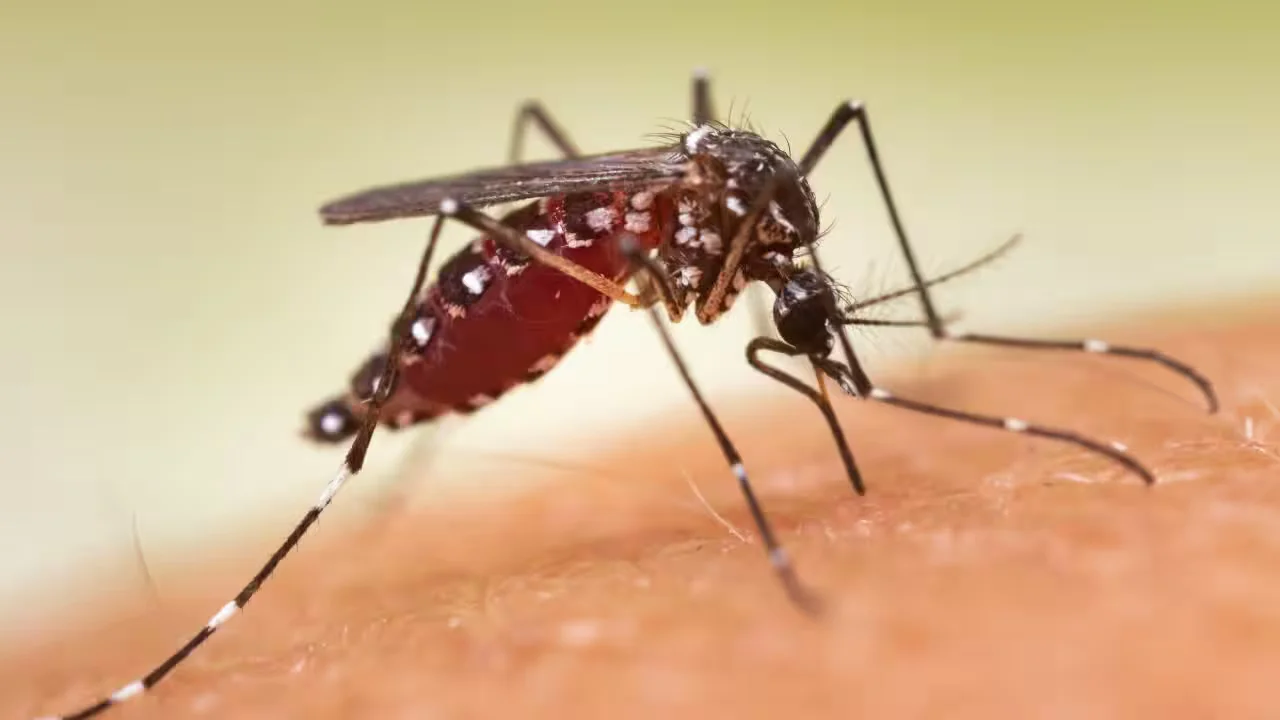
Wealthier neighborhoods may be fueling mosquito resistance to common sprays, study finds
Two NC State studies show backyard spraying by wealthier homeowners in the eastern U.S. is applying selective pressure that has driven rapid evolution of pyrethroid resistance in the invasive Asian tiger mosquito (Aedes albopictus); by 2023, resistance markers appeared in 84% of sampled residential blocks in Wake County, NC, and 39% of mosquitoes carried the resistance mutation. Researchers warn that relying on chemical sprays alone is risky and advocate integrated pest management and community-wide efforts to curb breeding sites, plus practical steps for homeowners to reduce standing water and mosquito habitats.