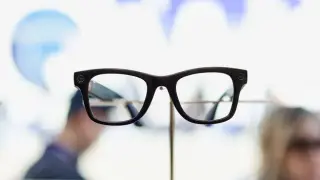
A BBC tester uses Ray-Ban Meta AI glasses in Paris for navigation, translation and quick info; they work well for hands-free directions and menus but fail on some facts, raise privacy concerns and can distance the user from the city, making them useful only for specific tasks rather than a universal travel upgrade.
A Verge reviewer tests a wide range of smart glasses (from Even Realities G2 to Meta Ray-Ban Display and Oakley Vanguard) and finds they mostly look and feel alike, with AI features that are often impractical, battery-draining, and privacy-invasive. Prescription support is inconsistent, repairs are hard, and there’s no compelling all-day use case yet beyond niche roles like travel or training. While some models are stylish and offer useful functions, the overall promise of wearable AI on the face remains unproven, though future iterations with better prescription handling and lighter design may change that.
Apple reportedly plans a breakthrough wearable AI pendant about the size of an AirTag, with an always-on camera and microphone for Siri and its own chip but limited local processing, relying on a paired iPhone for most tasks; the device could launch around 2027 as part of broader Siri upgrades and other camera-equipped wearables, though the project remains in early development and not guaranteed.
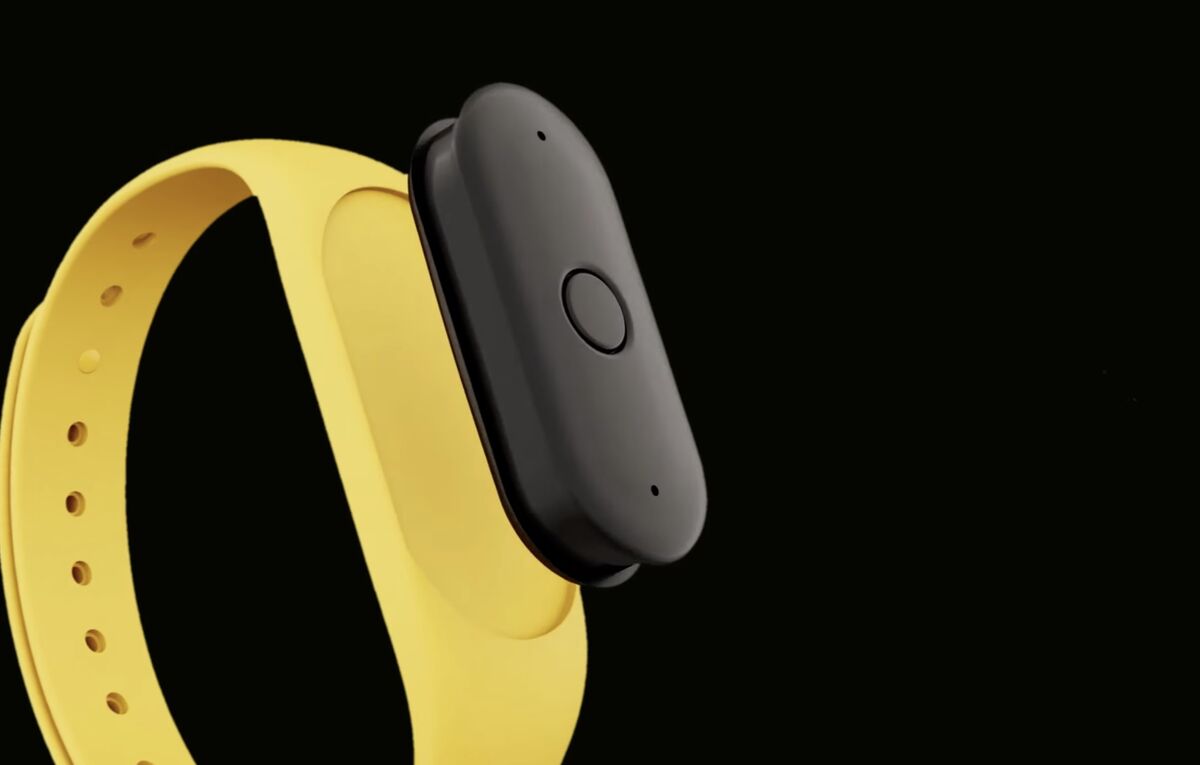
Amazon is expanding its wearable AI offerings with the $50 Bee device, aiming to create a proactive, ambient AI that functions as a comprehensive daily journal without a display or camera, emphasizing privacy and seamless integration into daily life. The company plans to revamp the device, enhancing features like voice notes and proactive actions, while maintaining strict privacy practices. Amazon's broader strategy involves integrating AI into a constellation of wearable devices tailored to individual styles, with a focus on responsible AI use.
Amazon has evolved its wearable AI device Bee into a more capable personal AI companion that learns from conversations, emails, and other data to provide personalized insights and assistance, with new features like Voice Notes, Actions, and privacy enhancements, aiming to integrate AI into every aspect of users' lives.
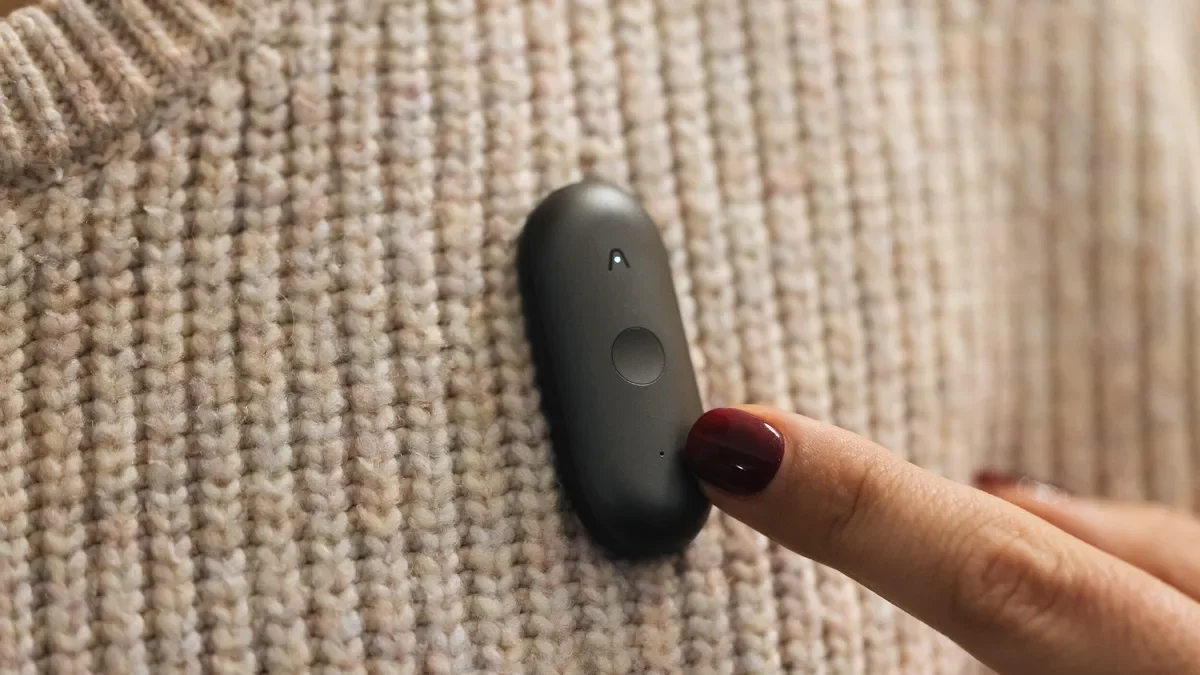
At CES 2026, Plaud announced the NotePin S, a wearable AI device for recording and transcribing conversations, and Plaud Desktop, an AI notetaker for meetings, both designed to streamline note-taking and organization for busy professionals.
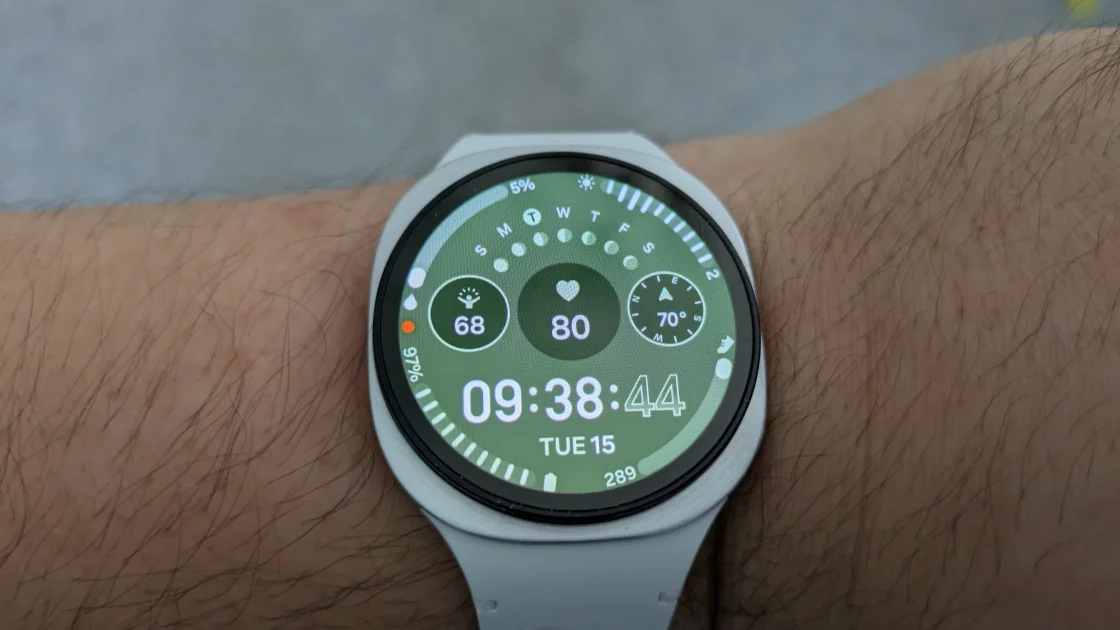
The Samsung Galaxy Watch 8 is a feature-rich smartwatch with advanced health and AI capabilities, including antioxidant measurement and personalized coaching, offering improvements over its predecessor despite modest battery life and a higher price, and earning our Editors' Choice for Android-compatible smartwatches.
Early reviews of the Humane AI Pin, a wearable chatbot priced at $699 plus a $24-a-month subscription, are not impressed. Reviewers found it slow, devoid of features, and occasionally non-functional, with misidentifications and unreliable responses. Despite promises of future updates, the device's current state has left many underwhelmed, prompting concerns about its capabilities and value for the price.
Tech companies are developing wearable AI devices, such as the Ai Pin and AI-powered smart glasses, to provide smartphone-like functions without addictive apps. These devices aim to integrate generative AI in a less obtrusive and more ubiquitous manner, but face challenges of purpose and technological maturity. While some envision a future where AI fundamentally changes how we access technology, the current focus remains on integrating AI into existing form factors, with the potential for new devices to compete with smartphones in the future.
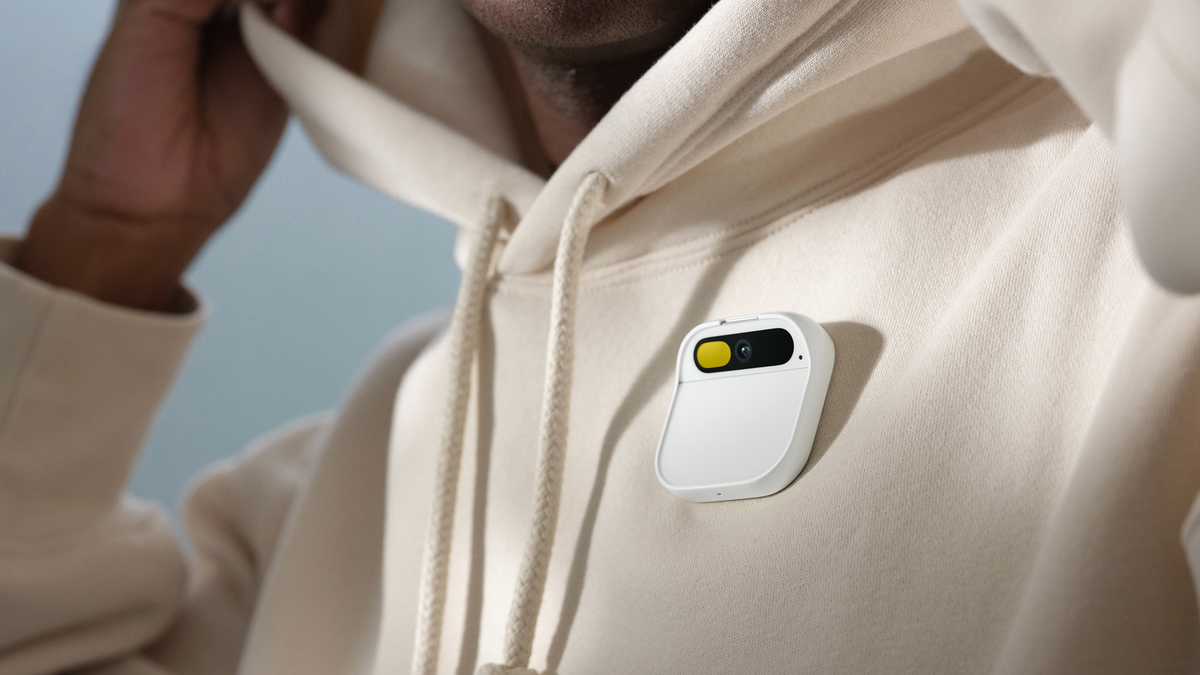
AI startup Humane has partnered with OpenAI and Microsoft to launch the AI Pin, a wearable virtual assistant device. The lapel pin-style device allows users to tap and speak with an AI-powered assistant and features technology from OpenAI and cloud computing services from Microsoft. The AI Pin offers various functionalities, including crafting messages, sorting emails, providing AI-driven music experiences, acting as a foreign language interpreter, and identifying food using computer vision. It is available for order in the United States starting at $699, along with a monthly subscription of $24. Humane, founded by former Apple employees, has raised $241 million in investments and aims to integrate AI into daily life while preserving human interaction.
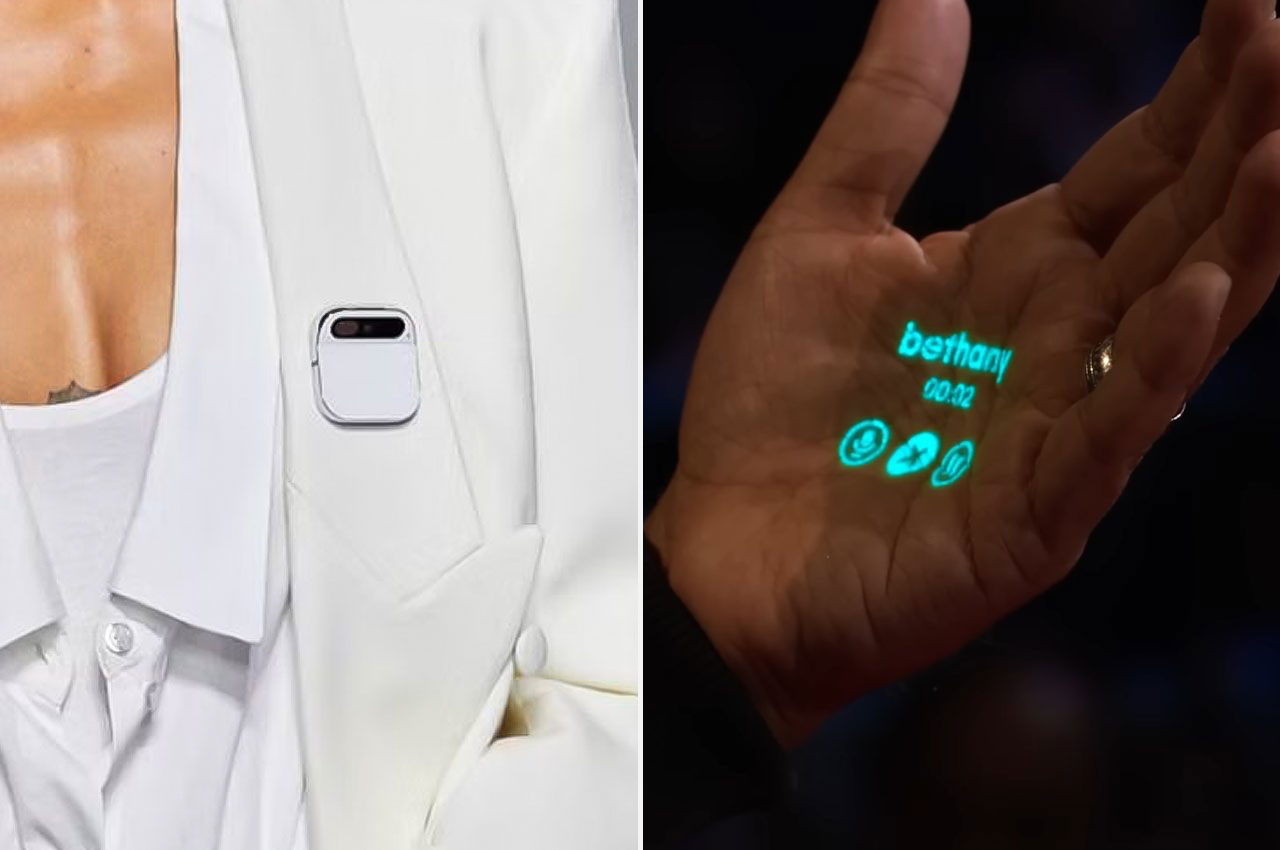
Humane Ai, co-founded by ex-Apple design director Imran Chaudhri and ex-Apple engineering director Bethany Bongiorno, has unveiled the Humane Ai Pin, a high-tech lapel pin that functions as a screenless, standalone device and software platform. The pin features a projection display that beams user interface elements and buttons onto the user's hands. It aims to seamlessly integrate into users' day-to-day lives and prioritize privacy by not having an "always on" listening feature. The full unveiling of the wearable is scheduled for November 9.
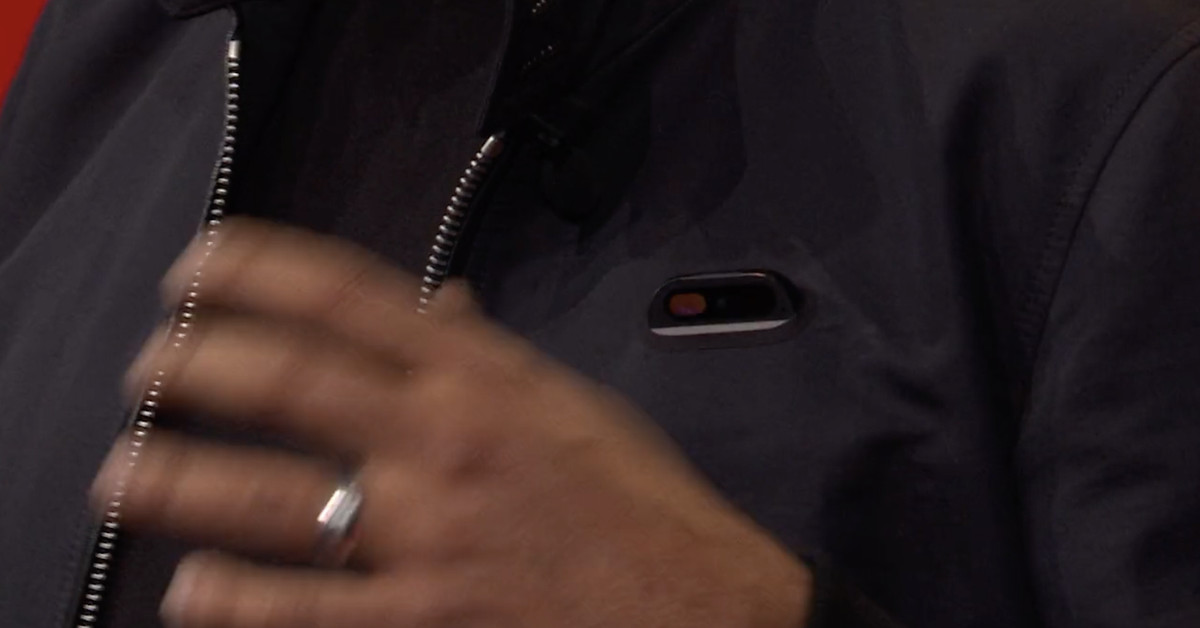
Humane, a secretive tech startup, has given a demonstration of its AI-powered wearable device that is designed to replace smartphones. The device is a small black puck that slips into a breast pocket, with a camera, projector, and speaker sticking out the top. The gadget operates on its own and does not require a smartphone or any other device to pair with it. The device is designed to be more natural by eschewing the screen. However, there are still many open questions about the device, including how it can fit into our lives and how it can access digital information.