
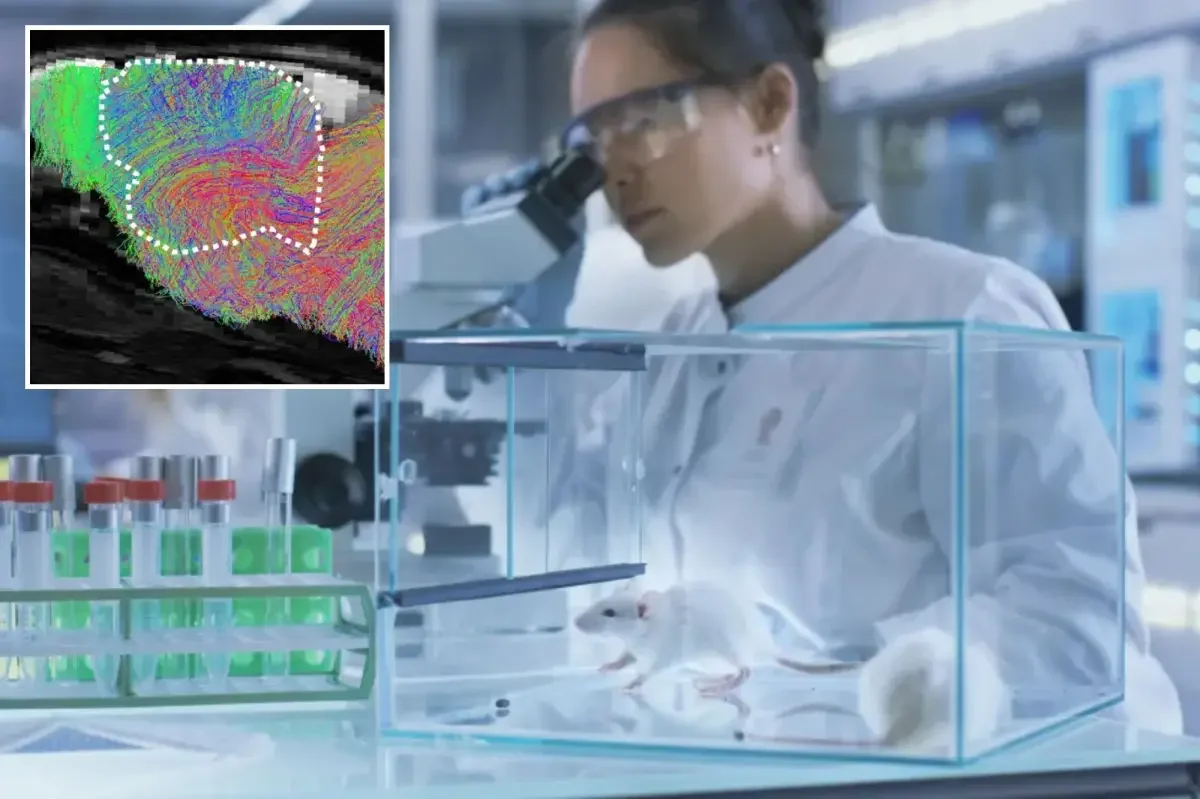
Stanford researchers graft human brain tissue into mice to study human neurodevelopment
Stanford scientists transplanted lab-grown human cortical organoids into mice engineered with partial cortex loss; the grafts survived, grew, and formed functional connections with the mouse brain and spinal cord, offering a new model to study human neural development and disease mechanisms, while noting the grafts are not miniature human brains and are used to probe potential interventions for conditions like autism, schizophrenia, cerebral palsy and epilepsy.