
Stanford researchers graft human brain tissue into mice to study human neurodevelopment
TL;DR Summary
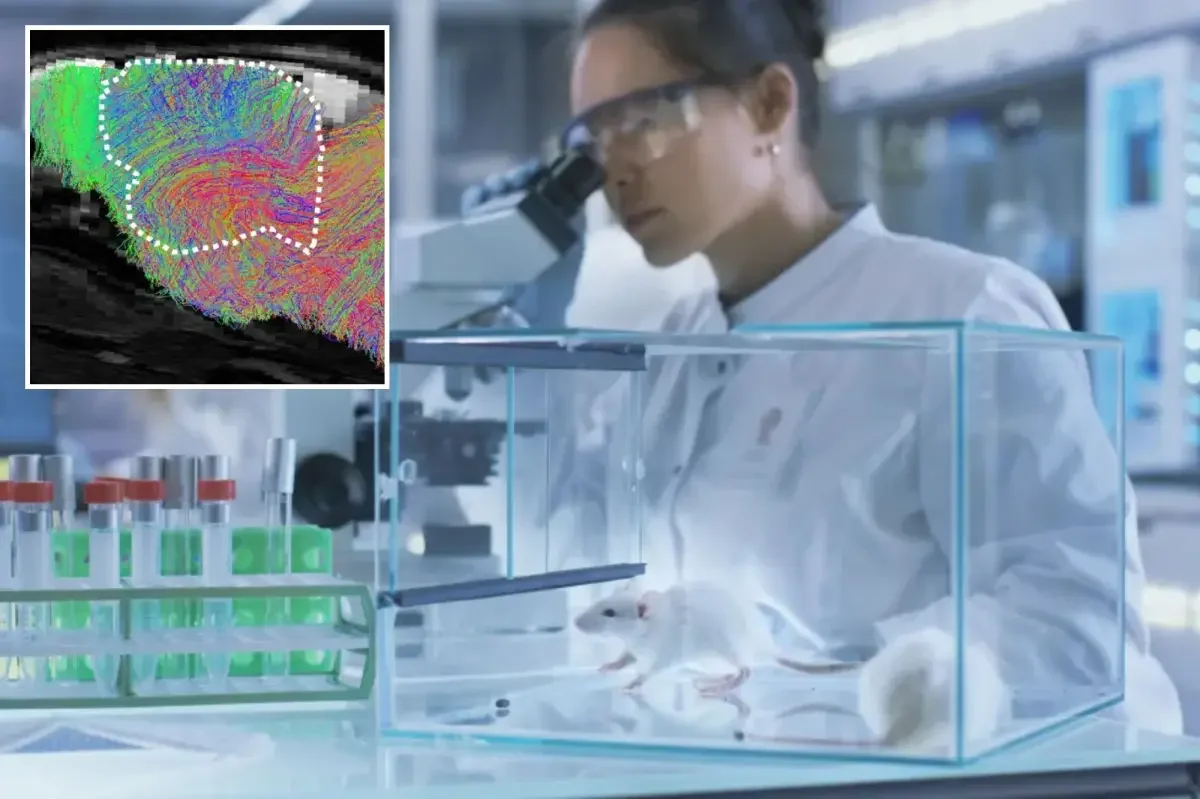
Stanford scientists transplanted lab-grown human cortical organoids into mice engineered with partial cortex loss; the grafts survived, grew, and formed functional connections with the mouse brain and spinal cord, offering a new model to study human neural development and disease mechanisms, while noting the grafts are not miniature human brains and are used to probe potential interventions for conditions like autism, schizophrenia, cerebral palsy and epilepsy.
- Stanford geniuses create lab rats with half-human brains New York Post
- Developmental xenocortication using human-derived organoids in mice Nature
- Researchers have created a mouse with a partly human brain The Economist
- Scientists Created Mice With Half-Human Brains. The Hybrid Animals Could Revolutionize Our Understanding of Neurological Disorders Smithsonian Magazine
- Stanford Medicine team creates advanced model for studying brain development, disorders Stanford Medicine
Reading Insights
Total Reads
0
Unique Readers
9
Time Saved
25 min
vs 26 min read
Condensed
99%
5,155 → 66 words
Want the full story? Read the original article
Read on New York Post