
health-tech2.27 min read
Utah Launches First AI-Only Acne Prescription Pilot
4 days ago•Source: TechSpot

The latest health tech stories, each synthesized from multiple sources with added background and context.
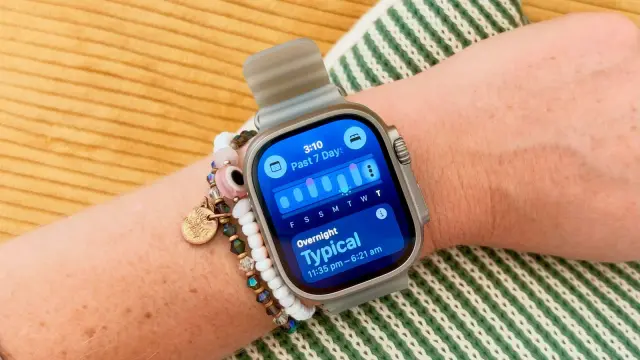
Tom's Guide reports that the Apple Watch Vitals app detected early signs of illness in its editor before physical symptoms emerged. The article highlights how the feature can alert users to potential health issues, offering tips to improve the accuracy of these readings.

statnews.com•3 months ago
The Verge•2 years ago

The FDA has authorized Prenosis' AI-powered diagnostic tool, Sepsis ImmunoScore, as the first AI tool capable of diagnosing sepsis, a life-threatening condition. The tool uses 22 parameters to assess a patient's risk of sepsis and is integrated into electronic health records for easy access by clinicians. Prenosis worked with the FDA for 18 months to demonstrate the tool's safety and efficacy and plans to conduct additional studies to demonstrate its accuracy and impact on clinical decision-making.
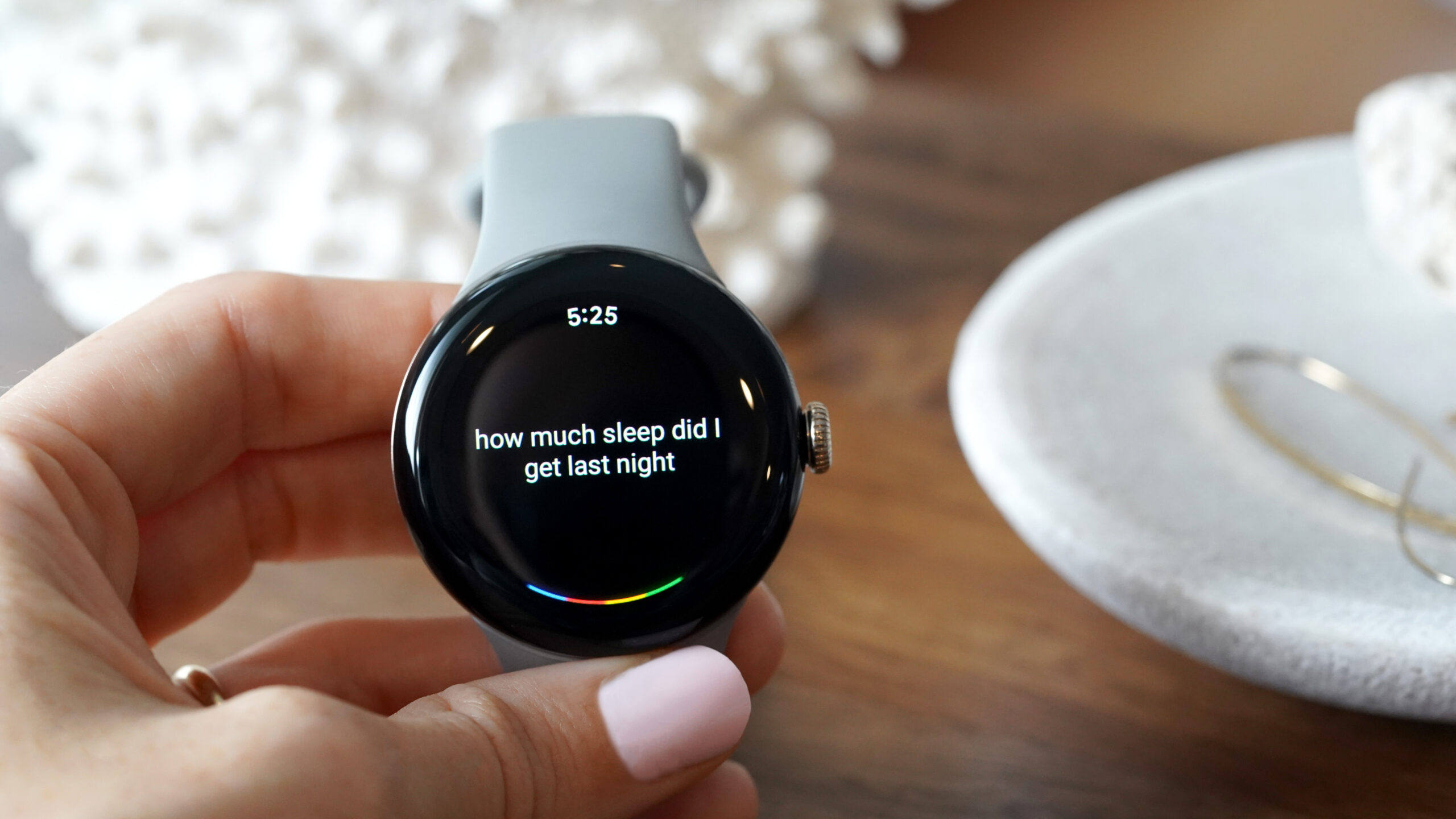
Google has announced plans to introduce an AI-powered health chatbot for Fitbit users, set to launch later this year as part of the Fitbit Labs program. The chatbot will use advanced AI to analyze health data from Fitbit wearables and provide personalized insights in natural language, potentially serving as a personalized health coach. Additionally, Google is developing a Personal Health Large Language Model (LLM) to offer comprehensive insights and personalized recommendations, aiming to become an on-demand health coach. This initiative is part of Google's broader push to integrate AI tools into healthcare, with plans for a similar LLM called AMIE to assist medical professionals.
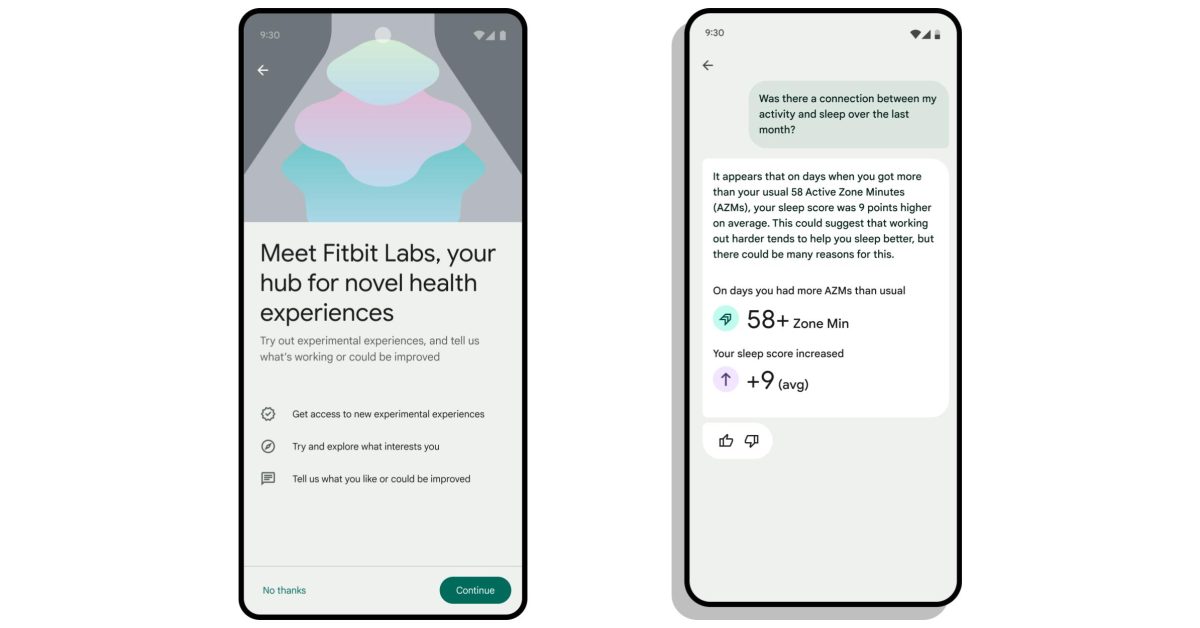
Fitbit Labs, powered by a new Personal Health Large Language Model (LLM) from Fitbit and Google Research, will allow Fitbit Premium users to test and provide feedback on experimental AI features, including a chatbot for natural and conversational data inquiries. The model aims to deliver personalized coaching capabilities based on individual health and fitness goals, utilizing a diverse set of health signals from research case studies. Google Search is also enhancing visual search information for health conditions, while Google is researching a medical domain version of its Gemini model for tasks such as report generation for medical images.

Johnson & Johnson is collaborating with Nvidia to develop and scale new artificial intelligence applications for surgery, aiming to integrate AI within devices and platforms from pre-op to post-op to provide surgeons with comprehensive information. The companies are leveraging AI to analyze surgical video, automate documentation, and enhance surgical training and decision support. This collaboration aims to save surgeons time and provide them with the best tools and information, ultimately benefiting patients and healthcare staff.

Epic Systems, a $4.6 billion health records giant, is developing a suite of 60 generative AI tools, including a prototype coding assistant powered by GPT-4, to streamline medical coding processes in hospitals. While the AI tool can suggest codes, it still requires human oversight and calibration due to potential inaccuracies. Epic aims to alleviate the burden on clinicians and address staffing shortages in healthcare through generative AI applications, but human touch remains crucial for complex cases. The company's incumbent advantage and partnerships with Microsoft and startup Abridge position it as a key player in the evolving landscape of AI in healthcare.

Eli Lilly has partnered with Amazon Pharmacy to deliver its obesity, diabetes, and migraine medications directly to patients through Lilly's telehealth platform, marking the first direct collaboration between Amazon's pharmacy business and a drugmaker. This new relationship could disrupt traditional medication prescription and dispensing processes, potentially reshaping the pharmaceutical and retail pharmacy industries while creating significant opportunities for Amazon Pharmacy.
Apple Vision Pro is unlocking new opportunities for health app developers, allowing for the creation of breakthrough health and wellness apps that take advantage of spatial experiences in clinical settings and at home. The technology is being used in areas such as surgical planning, medical imaging, behavioral health, and more, with apps like myMako, CyranoHealth, and Cinematic Reality offering immersive and transformative experiences for healthcare professionals and patients. The unique capabilities of visionOS are enabling developers to create apps that were not previously possible, revolutionizing the healthcare industry and improving patient outcomes.

Salesforce has unveiled new AI tools for healthcare workers, including Einstein Copilot: Health Actions and Assessment Generation, aimed at reducing administrative burdens. These tools, built on the Einstein 1 Platform, enable doctors to streamline tasks such as appointment booking and patient information summarization using conversational AI. The company aims to address the burnout caused by labor-intensive administrative tasks and data fragmentation in healthcare systems. The tools are expected to comply with HIPAA regulations and will be available for use later this year.
Dexcom has received FDA clearance for its over-the-counter continuous glucose monitor, Stelo, designed for Type 2 diabetes patients who do not use insulin. This marks the first glucose biosensor not requiring a prescription, making it accessible to those without insurance coverage for CGMs. The device, to be available online this summer, offers real-time glucose tracking and lasts up to 15 days. Dexcom aims to provide a simpler experience tailored for Type 2 patients and plans to eventually secure insurance coverage for Stelo.

The FDA has approved the first over-the-counter continuous glucose monitor, the Dexcom Stelo Glucose Biosensor System, designed for individuals 18 years and older who do not use insulin. This integrated CGM allows users to monitor and analyze glucose levels using a wearable sensor and a smartphone app, providing valuable information about their health without the involvement of a healthcare provider. However, it is not intended for individuals with problematic hypoglycemia. This approval aligns with the FDA's goal of advancing health equity by expanding access to valuable health information for all patients.