sciencearchaeology12.52 min read
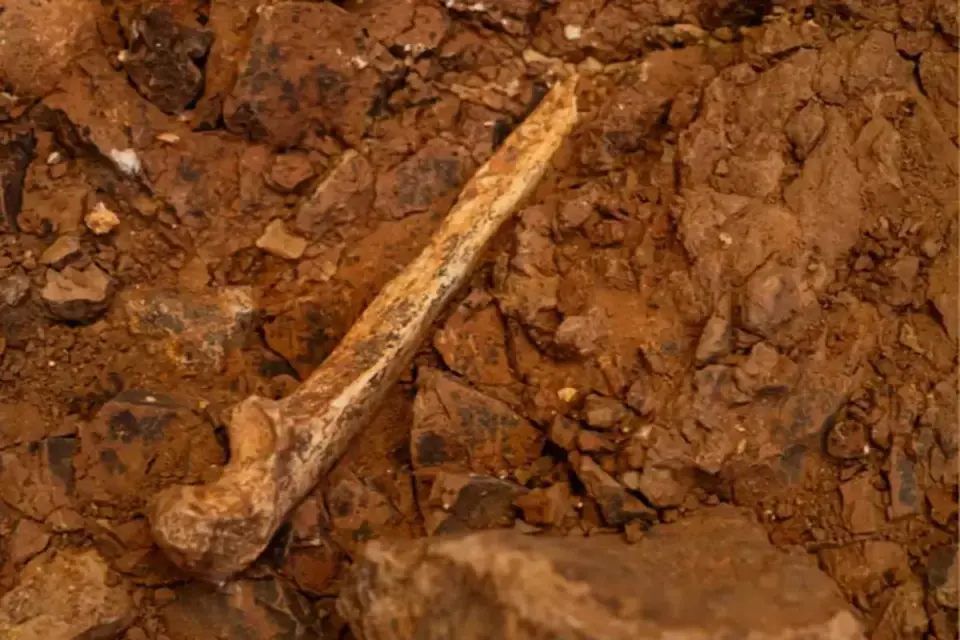
Spain's Gran Dolina finds suggest cannibalism among Europe's earliest humans
2 months ago•Source: The Independent

The latest sciencearchaeology stories, each synthesized from multiple sources with added background and context.
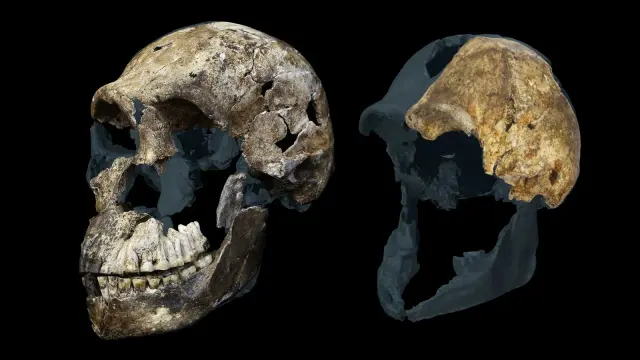
A proteomic analysis of 20 Homo naledi teeth from the Rising Star cave in South Africa found no AMELY (male) markers, suggesting all examined skeletons are female. The finding includes specimens once thought to be male (e.g., DH1 and Neo) and raises questions about sex representation or a possible AMELY deletion, with researchers noting this is a surprising result that requires more sampling to understand the biology and evolution of the species. The study, published in Cell (2026), also highlights shared protein variants with Paranthropus robustus and underscores the potential of ancient proteins to illuminate sex in extinct hominins.
The Daily Galaxy•6 months ago
New York Post•7 months ago
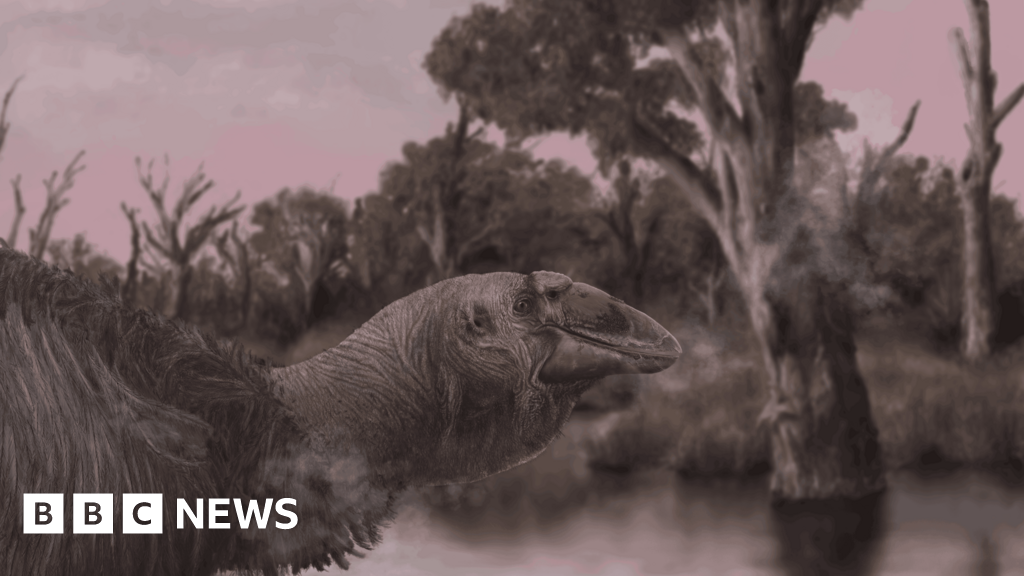
Researchers have discovered the most complete skull of the extinct giant flightless bird Genyornis newtoni in Australia, providing new insights into its appearance and ecological role. The 45,000- to 50,000-year-old fossil, found in Lake Callabonnam, reveals the bird's massive cranium, large jaws, and unique casque. This discovery helps piece together the evolutionary puzzle of this "giant goose" and its adaptations to aquatic habitats, which may have contributed to its extinction.

Researchers at the University of Texas Austin have discovered a fossilized saber-toothed cat skull on the Texas coast, revealing that the species once roamed the now-submerged land connecting Texas to Florida. The fossil, which was submerged in the Gulf of Mexico for thousands of years, was identified through X-ray analysis, showing a hidden canine tooth and indicating the animal was young when it died. This finding provides new insights into the ancient landscape and its wildlife.

Scientists have discovered 50,000-year-old viruses in Neanderthal bones, including adenovirus, herpesvirus, and papillomavirus, which still affect humans today. This groundbreaking research suggests that deadly infectious diseases carried by Homo sapiens may have contributed to the extinction of Neanderthals, challenging the long-held belief that superior cognitive abilities were the primary reason for Homo sapiens' dominance. The study highlights the profound impact of pathogens on human history and evolution.
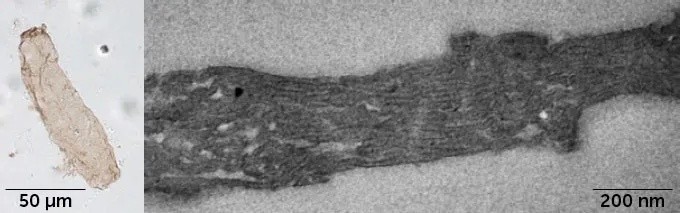
Scientists have discovered 1.7 billion-year-old fossilized bacteria that contain structures indicative of photosynthetic machinery. This finding provides valuable insights into the early evolution of photosynthesis, a fundamental process responsible for life on Earth. The ancient bacteria fossils offer a rare glimpse into the biological mechanisms that were in place billions of years ago, potentially shaping our understanding of early life forms and their development.
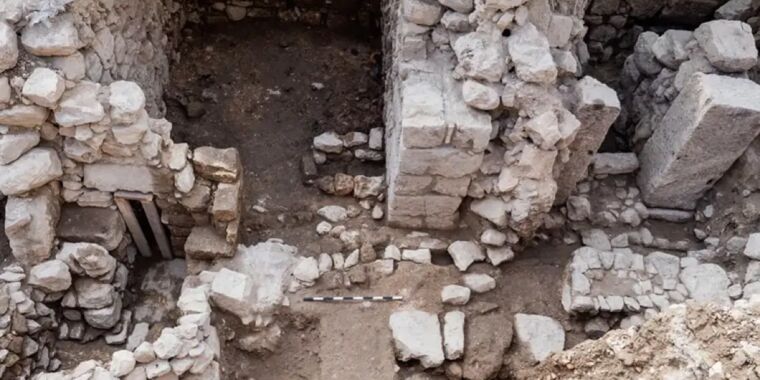
Archaeologists have used advanced techniques like FTIR spectroscopy and archaeomagnetic analysis to support the biblical account of the Babylonian siege and destruction of Jerusalem around 586 BCE. The evidence suggests that the Babylonians deliberately set fires in strategic locations within the city, targeting significant buildings rather than destroying indiscriminately. This research provides a more detailed understanding of the historical event, corroborating the narrative of a deliberate and thorough destruction of Jerusalem by Babylonian forces.
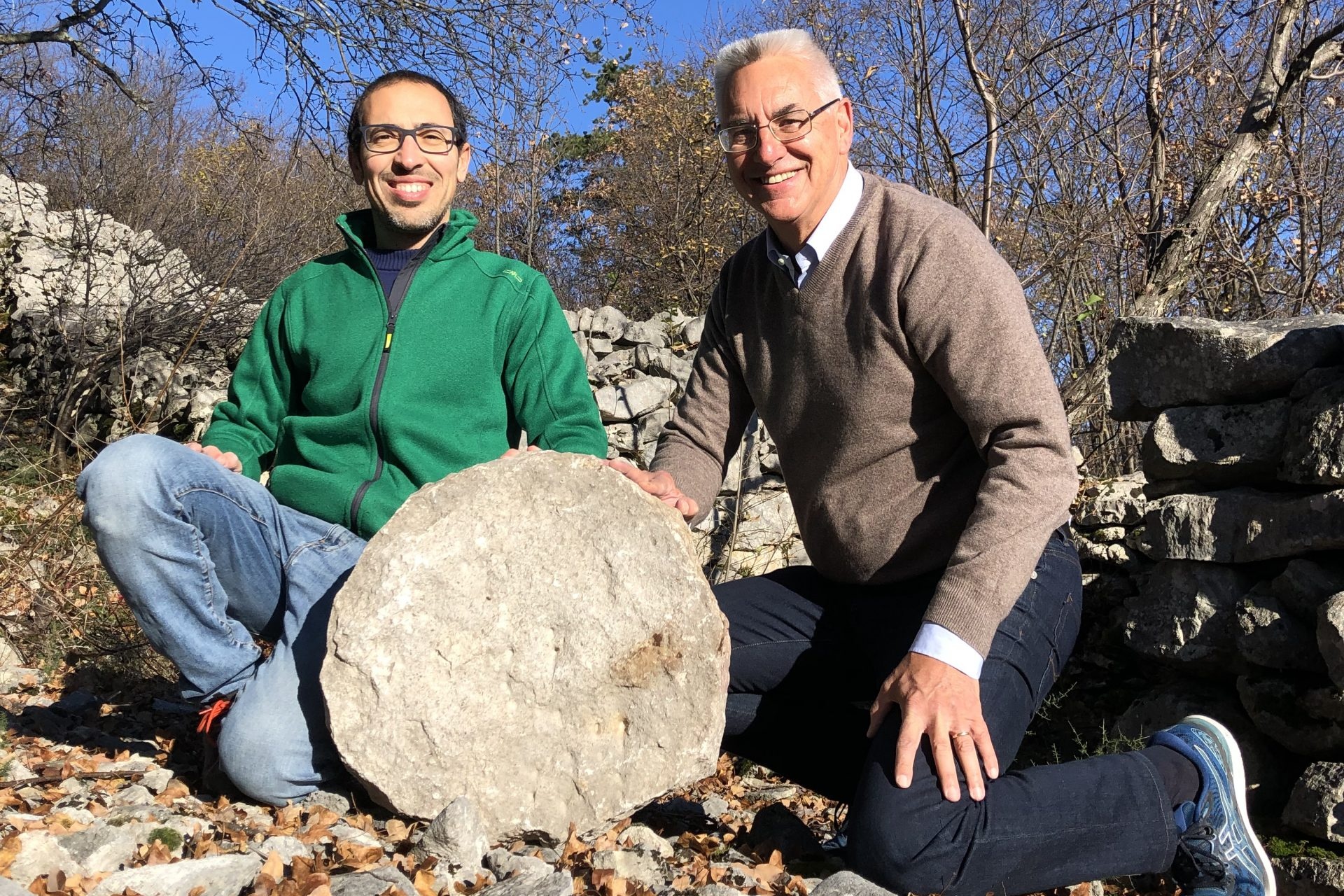
An ancient stone disk discovered in Italy, potentially dating back to between 1800 B.C. and 400 B.C., may represent one of the oldest celestial maps, featuring engravings that align with constellations and a potential failed supernova. Researchers used software to match the chisel marks on the disk to star clusters visible in the ancient sky, with one mark possibly indicating a star that vanished due to a failed supernova, leaving behind a black hole. Further studies are encouraged to confirm this interpretation and understand the disk's use, possibly in agricultural season tracking by the ancient population of the Rupinpiccolo hill fort.