
SR-71 Blackbird Vanishes from Edwards Base Amid NASA X-Plane Revival
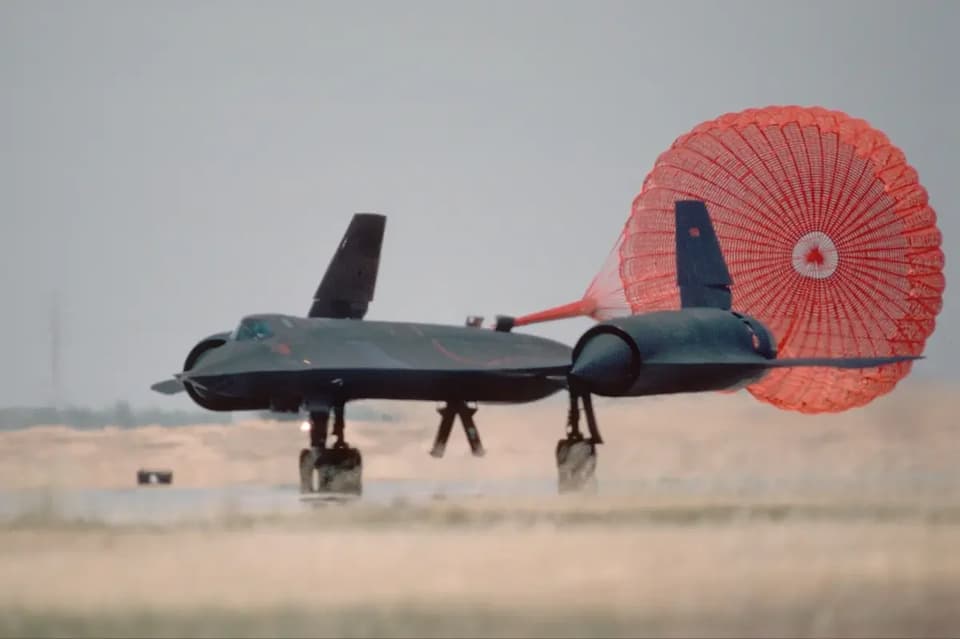
A retired SR-71 Blackbird has disappeared from public display at NASA’s Armstrong Flight Research Center in California. The aircraft, which was the last of its kind to fly, vanished from satellite imagery in May. This disappearance coincides with NASA Administrator Jared Isaacman’s recent unveiling of a new high-speed experimental aircraft silhouette, fueling speculation about a return-to-flight program or a new hypersonic testbed.
Key points
- SR-71 Blackbird tail No. 844, the last produced and last to fly, has not been seen at Edwards Air Force Base since at least May 17, 2026, according to Aviation Week.
- NASA Administrator Jared Isaacman displayed a silhouette resembling the SR-71 at the All-In Summit in Los Angeles, promising a rebuild of the experimental X-plane fleet for high-speed and high-altitude research.
- Isaacman confirmed the agency is pushing back into extreme-speed flight but denied the new silhouette is a Blackbird, stating it is part of a broader effort to advance aeronautics.
- The X-59 quiet supersonic jet is currently undergoing testing at Edwards, having already reached Mach 1, with NASA aiming to study its 'quiet thump' to enable future commercial supersonic travel.
- Aviation Week sources indicate the missing jet was moved into a hangar earlier this year for inspection, though its current whereabouts remain unconfirmed by NASA.
Background
This development follows recent shifts in NASA’s strategic priorities, including Isaacman’s September 2026 memo emphasizing cost-effective international partnerships and an accelerated lunar base program. The agency has also been repurposing technology from other programs, such as the Nancy Grace Roman Space Telescope, to manage budget pressures. The current focus on experimental aircraft aligns with a broader push to revive high-speed flight research after a decades-long hiatus.
Why it matters
The disappearance of a historic aircraft alongside the announcement of new high-speed experimental platforms signals a potential shift in US aerospace policy. It suggests a renewed interest in extreme-speed flight research, which could impact future commercial aviation capabilities and national defense strategies. The timing raises questions about the status of legacy assets and the direction of NASA’s aeronautics research portfolio.
What to watch
NASA is expected to provide further details on its new X-plane fleet and the specific capabilities of the high-speed aircraft hinted at by Isaacman. The X-59 will continue testing to gather data on quiet supersonic flight, aiming to clear the way for commercial applications. The fate of the missing SR-71 remains uncertain, with no official confirmation from NASA regarding its location or intended use.
Want the full story? Read the original reporting
Read on New York Post