
aerospace5 min read
NASA Unveils X-70 Fractal: A Modular Testbed for Advanced Flight Controls
19 days ago•Source: TWZ
View original source
The latest aerospace stories, each synthesized from multiple sources with added background and context.

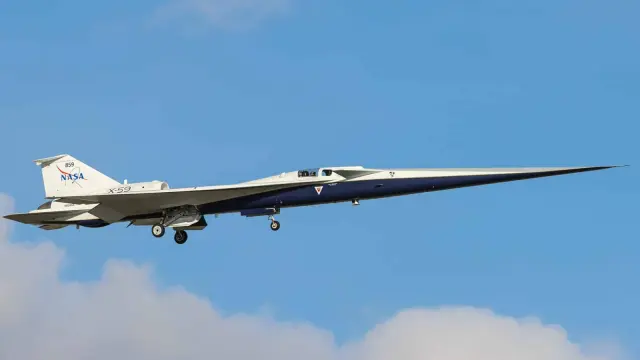
NASA Administrator Jared Isaacman confirmed on a podcast that a new X-plane will be announced at the Max Power event at Kennedy Space Center this weekend. He explicitly stated this new aircraft is not the SR-71 Blackbird that disappeared from public display earlier this year. While Isaacman joked that the missing SR-71 is merely being 'cleaned,' he pledged to expand NASA's experimental fleet to fly faster and higher. The Max Power event will also feature the X-59 quiet supersonic jet, which has completed 41 test flights since its debut in October 2025.
Aviation Week•1 month ago
New York Post•1 month ago

NASA has officially unveiled a new reduced-gravity research aircraft, a Boeing 737-700 formerly operated by the U.S. Air Force under a classified program. The aircraft, now registered as N837NA, will support the Artemis program by simulating lunar gravity conditions to test astronaut suits and crew systems. It will also serve as a platform for testing autonomous flight systems and sensors. The transition from military to civilian research marks a significant shift for the aircraft, which was acquired by NASA’s Armstrong Flight Research Center in June 2026.
NASA is evaluating 48 proposals for alternative methods to return samples collected by the Perseverance rover on Mars, following a solicitation period from April 16 to May 17. This comes as the agency seeks new options for its Mars Sample Return campaign.
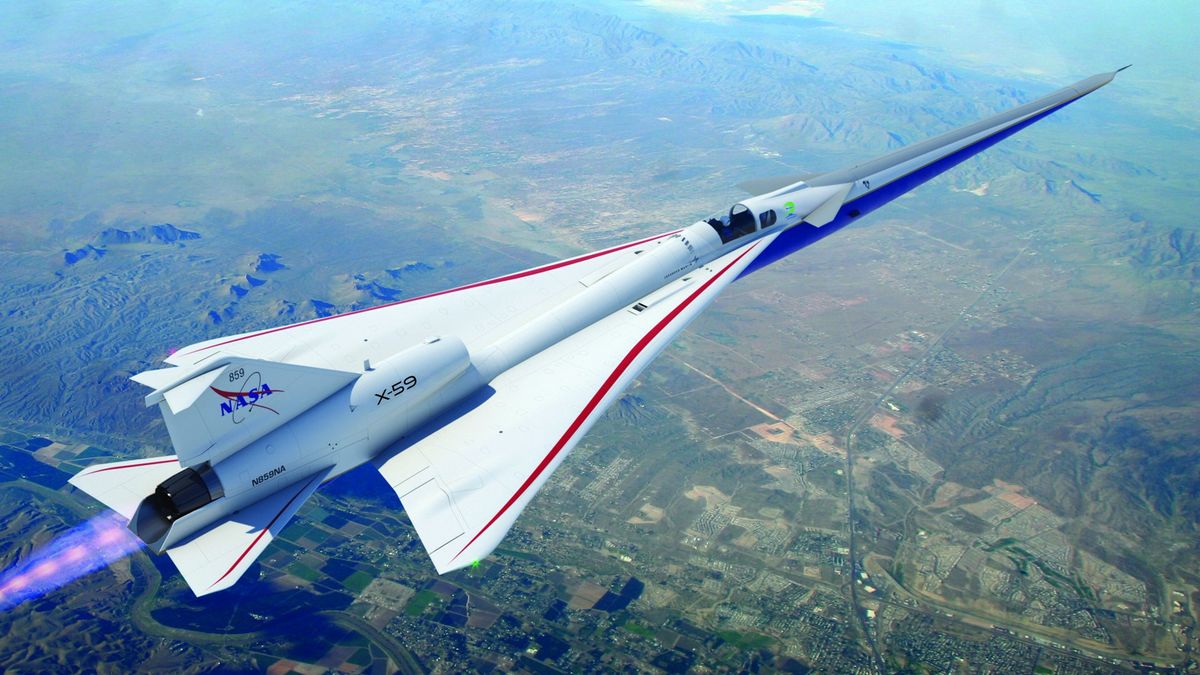
NASA's experimental supersonic jet, the X-59, is getting a new red, white, and blue paint job ahead of its first flight. The patriotic color scheme not only adds aesthetic appeal but also helps protect the aircraft from moisture and corrosion. The design includes safety markings for ground and flight operations. The X-59 is designed to break the sound barrier with a sonic "thump" instead of a boom, and its successful flight could potentially change rules that currently prohibit supersonic jets from flying over land.
The FAA has closed its investigation into the Blue Origin New Shepard 23 mishap, attributing the cause to the structural failure of an engine nozzle due to higher than expected operating temperatures. Blue Origin has been required to implement 21 corrective actions, including redesigning engine and nozzle components and making organizational changes. The closure of the investigation does not mean an immediate resumption of launches, as Blue Origin must implement all necessary safety measures and obtain a license modification from the FAA.
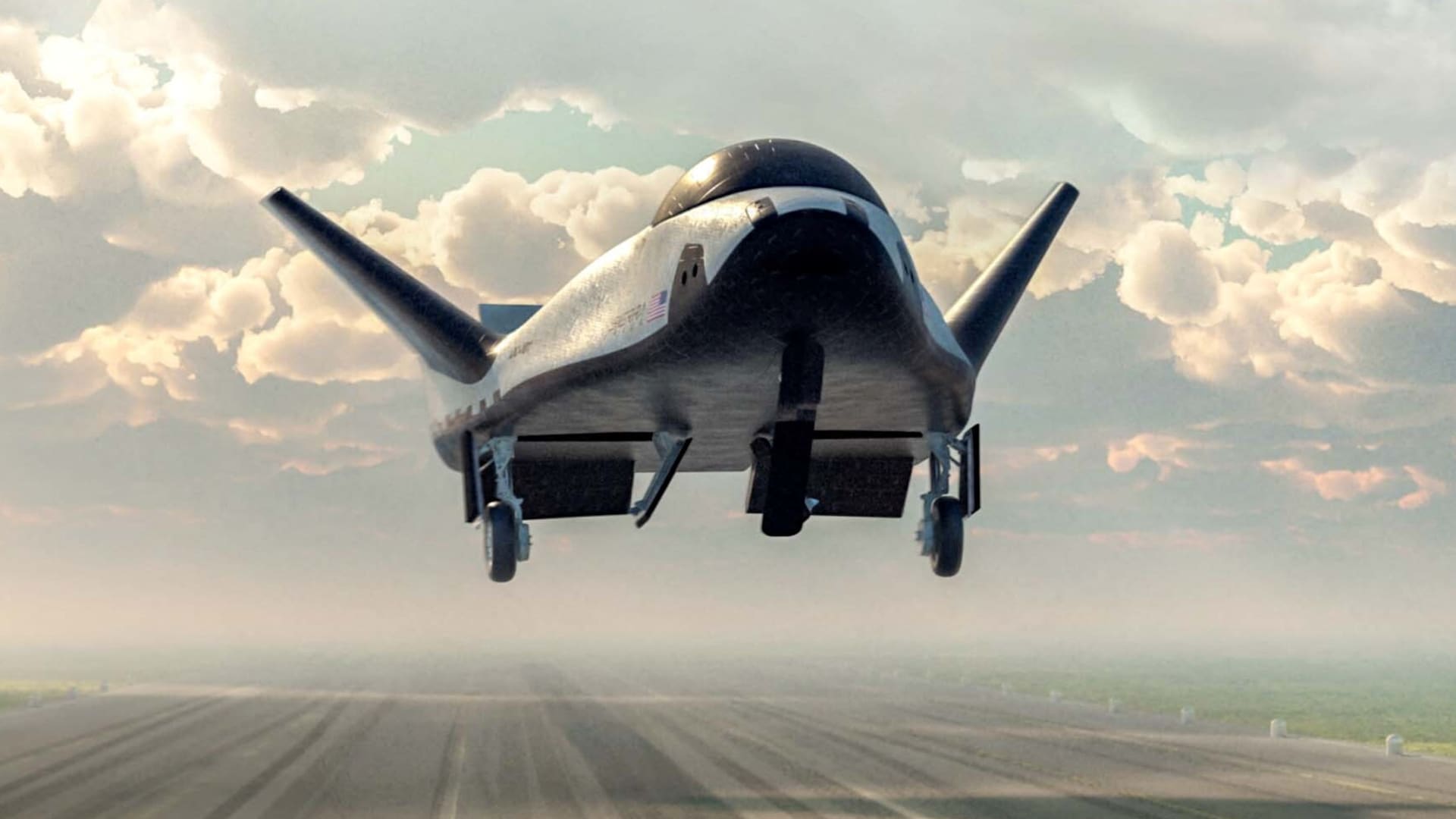
Sierra Space, the subsidiary of Sierra Nevada Corporation, is finalizing a nearly $300 million funding round led by Japanese investors MUFG, Kanematsu, and Tokio Marine, valuing the space company at around $5 billion. The funds will support the development of Sierra's Dream Chaser spaceplane, designed to deliver cargo and eventually crew to low Earth orbit. The first launch of Dream Chaser is planned for ULA's second Vulcan mission, with Sierra also working on a private space station project.
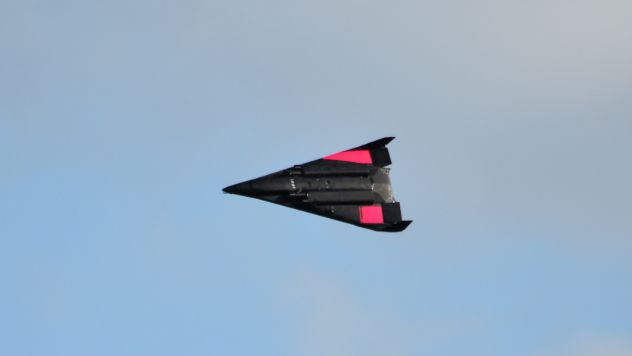
Polaris Spaceplanes has successfully completed a 15-flight test campaign of its MIRA-Light prototype vehicle, demonstrating its aerodynamics and flight control systems. The German aerospace company plans to use the data collected to develop a larger MIRA vehicle equipped with an actual linear aerospike engine. These prototypes are precursors to the company's ultimate demonstration model, NOVA, which is expected to begin flying in 2024. Polaris Spaceplanes aims to culminate these prototypes into its multipurpose, hypersonic transport vehicle, AURORA, capable of transporting payloads to suborbital velocities and orbit.
GE Aerospace is developing a new type of hypersonic vehicle or missile that combines rotating detonation engine (RDE) combustors for a turbine engine with a dual-mode ramjet/scramjet. The RDE component aims to offer a more efficient approach to a turbine-based combined cycle propulsion system than traditional turbine engines. The project is being supported by DARPA, the Air Force Research Laboratory and the Missile Defense Agency. GE recently acquired Innoveering LLC, a small company that specialized in advanced hypersonic propulsion technology.
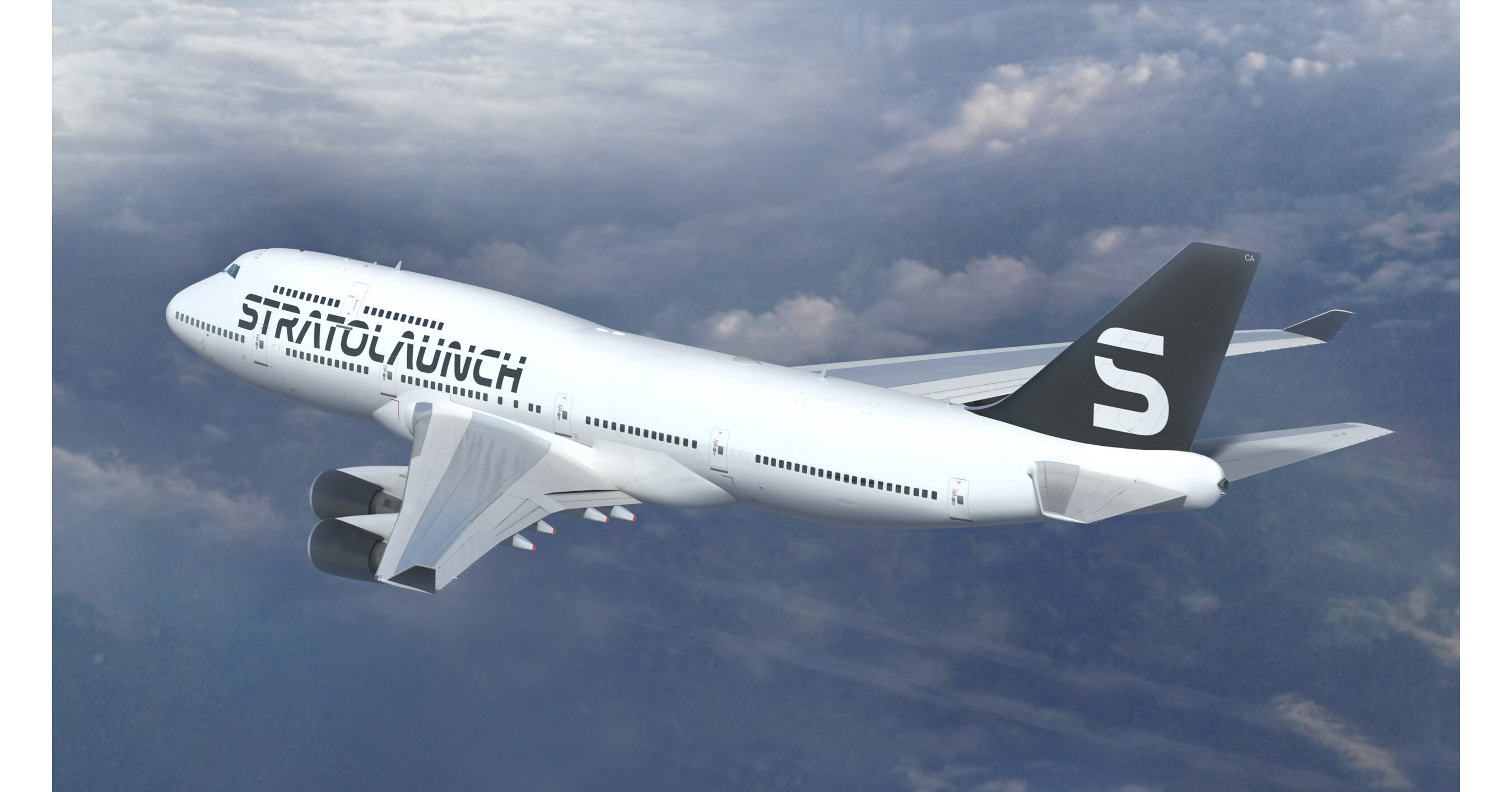
Stratolaunch has received approval to acquire Virgin Orbit's modified Boeing 747, expanding its air-launch fleet and increasing its in-flight test capacity for hypersonic testing. The additional aircraft will be repurposed as a launch platform for Stratolaunch's Talon-A reusable hypersonic testbeds and is expected to be fully operational in 2024. The acquisition is subject to customary closing conditions and is expected to close by July 31, 2023.
Virgin Galactic has announced that the launch window for its upcoming spaceflight, Unity 25, will open on May 25, 2023. The mission specialists will begin astronaut training on May 22, 2023. Virgin Galactic is an aerospace and space travel company that is developing a spaceflight system to offer customers a transformative experience.

Relativity Space, a California-based aerospace startup, is using 3D printing, robotics, and machine learning to manufacture cheaper and quicker-to-manufacture rockets for future missions to the moon and Mars. The company recently launched its first 3D-printed rocket and is continuing to test its technology. Relativity Space aims to challenge Elon Musk's SpaceX and is among a number of commercial entrants testing rockets that can carry payloads to orbit and ultimately complete missions. The company has secured $1.3 billion in funding and is valued at $4.2 billion.