Tag

X 59

All articles tagged with #x 59

NASA's Quiet-Supersonic X-59 Surpasses Sound Barrier in Landmark Flight
technology1 month ago

NASA's Quiet-Supersonic X-59 Surpasses Sound Barrier in Landmark Flight

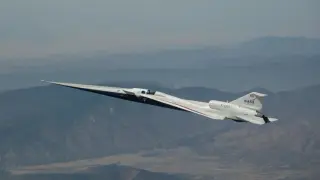
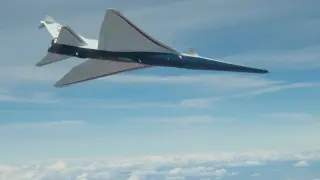
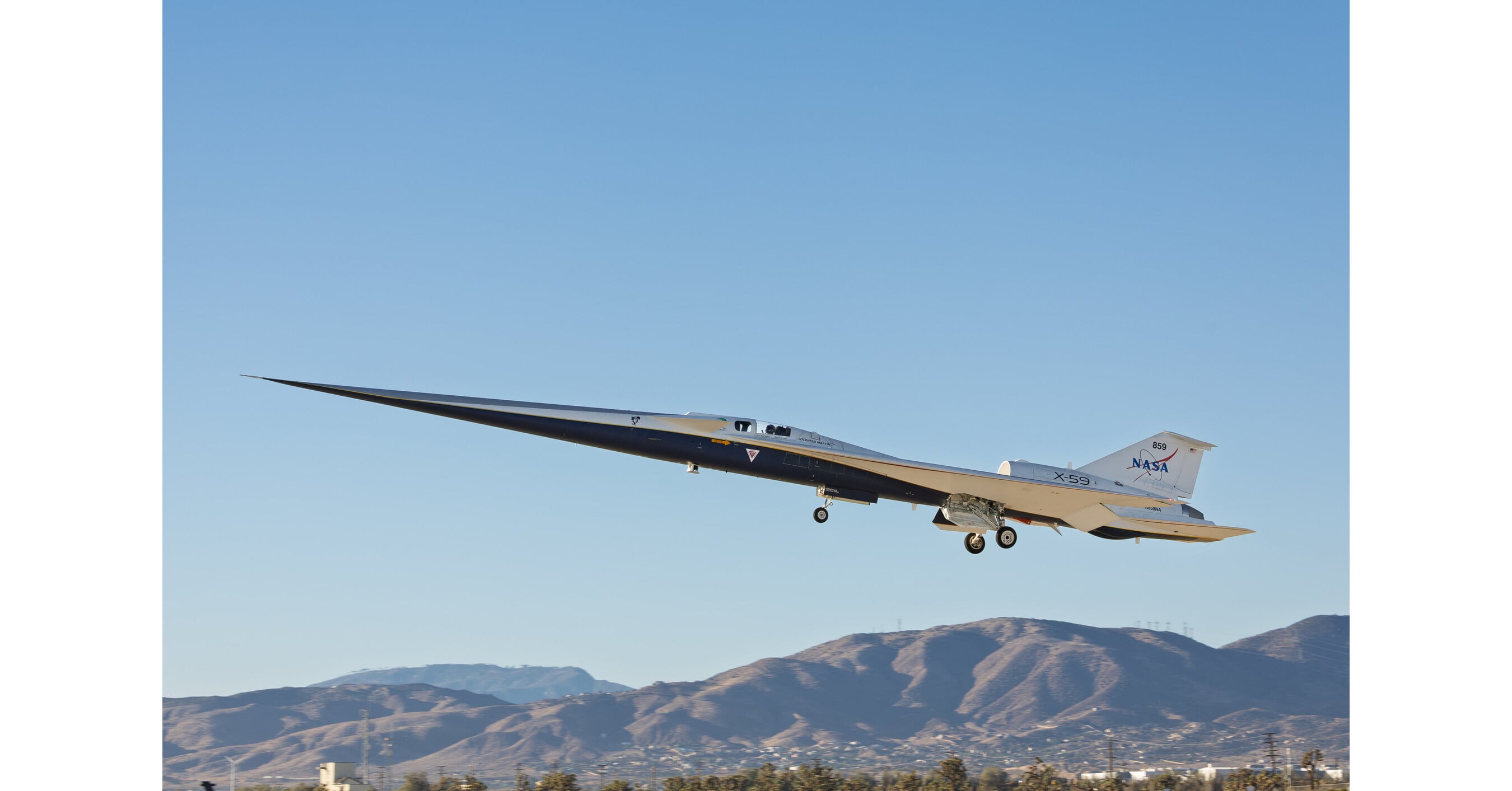
NASA’s X-59 completed an 81‑minute test flight from Edwards AFB, reaching about Mach 1.1 (713 mph) at 43,400 feet—the first time the quiet-supersonic aircraft breached the speed of sound with its planned ‘quiet thump’ concept; the test aimed to advance over-land commercial supersonic flight by reducing noise, with future Mach 1.4 flights to gather data on public perception to help set new noise standards, monitored by a chase plane.

NASA’s X-59 Surpasses Mach 1 on First Supersonic Flight
space-exploration1 month ago

NASA’s X-59 Surpasses Mach 1 on First Supersonic Flight

NASA announced that Lockheed Martin’s X-59 QueSST demonstrator achieved its first supersonic flight on June 5, 2026, reaching Mach 1.077 at about 43,400 feet (13,228 m) with a top speed of 713 mph during an Edwards Air Force Base test flight that lasted 81 minutes. The mission, part of NASA’s Quiet Supersonic Technology (Quesst) program, aims to develop a “quiet” supersonic tech that minimizes sonic booms so commercial flights over land could become viable; future test flights will push toward Mach 1.4 at higher altitude to collect data for regulators and help establish new noise standards.

NASA’s X-59 second test ends early after cockpit warning
technology4 months ago

NASA’s X-59 second test ends early after cockpit warning

NASA’s experimental X-59 supersonic jet ended its second flight after nine minutes due to a cockpit warning, cutting the planned one-hour mission short. NASA said the data collected on systems and handling— aided by a camera-based cockpit display instead of a traditional windscreen—remains valuable as the program pushes toward higher speeds and muffled sonic booms for over-land flights, with more than 100 flights planned to advance the project.

X-59 Quiet Supersonic Jet Preps for Second Test Flight
technology4 months ago

X-59 Quiet Supersonic Jet Preps for Second Test Flight

NASA's X-59 Quiet Supersonic aircraft, built with Lockheed Martin, is preparing for its second test flight at NASA's Armstrong Flight Research Center in California. After its first flight in October 2025, the mission will have the aircraft take off from Armstrong, fly for about an hour, reach up to 20,000 feet and roughly 260 mph, and progressively fly faster and higher to test its reduced-boom sonic concept intended to enable overland supersonic flight.

NASA’s X-59 Nears First Flight with Quiet Supersonic Technology
technology10 months ago

NASA’s X-59 Nears First Flight with Quiet Supersonic Technology

NASA's X-59 quiet supersonic aircraft is preparing for its first flight, with safety as a top priority. The aircraft features advanced systems like extensive data recording, digital fly-by-wire controls, multiple backup systems, and comprehensive safety measures including life support, ejection seat, and emergency restart capabilities. The initial low-altitude test will verify system integration before progressing to higher speeds and altitudes, ensuring a safe and successful flight.

NASA's Acting Administrator Janet Petro Announces June 6, 2025
space-exploration1 year ago

NASA's Acting Administrator Janet Petro Announces June 6, 2025

Acting NASA Administrator Janet Petro affirms commitment to the agency's mission, highlights recent achievements including the IXPE's astrophysics milestone, progress on the X-59 supersonic aircraft, successful vibration testing of the Roman Space Telescope, and ongoing scientific work on the ISS, while announcing workforce transition plans and emphasizing focus on international collaboration and technical excellence.

NASA's X-59: Pioneering Quiet Supersonic Flight
technology1 year ago

NASA's X-59: Pioneering Quiet Supersonic Flight

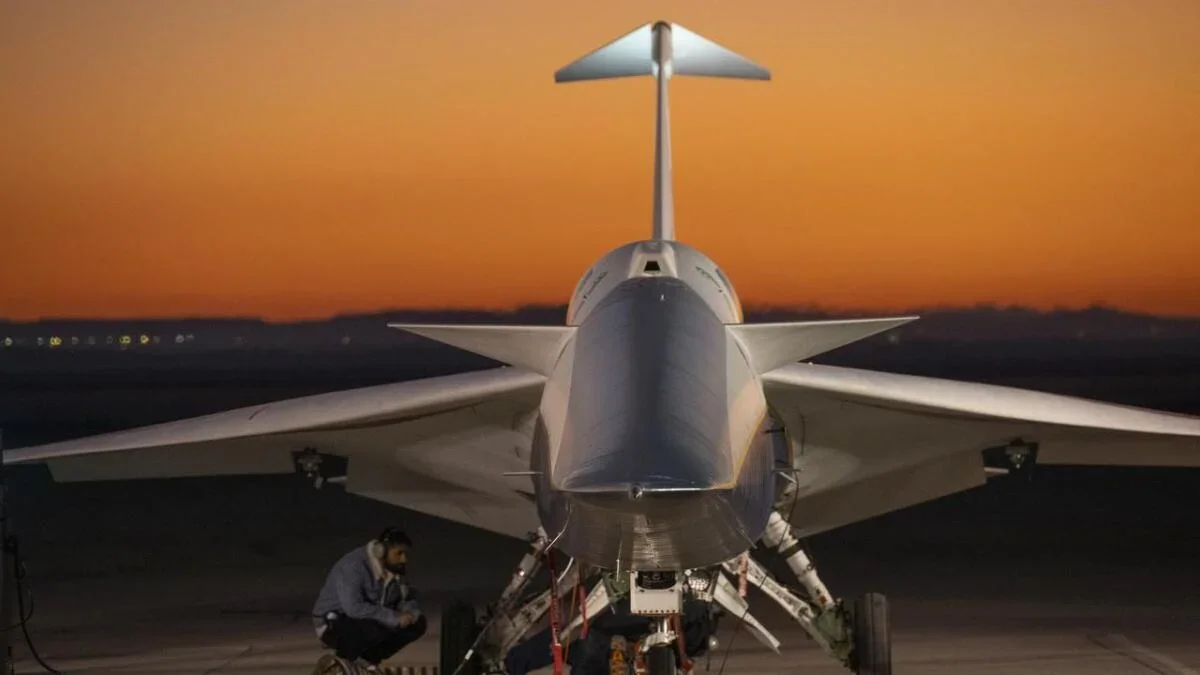
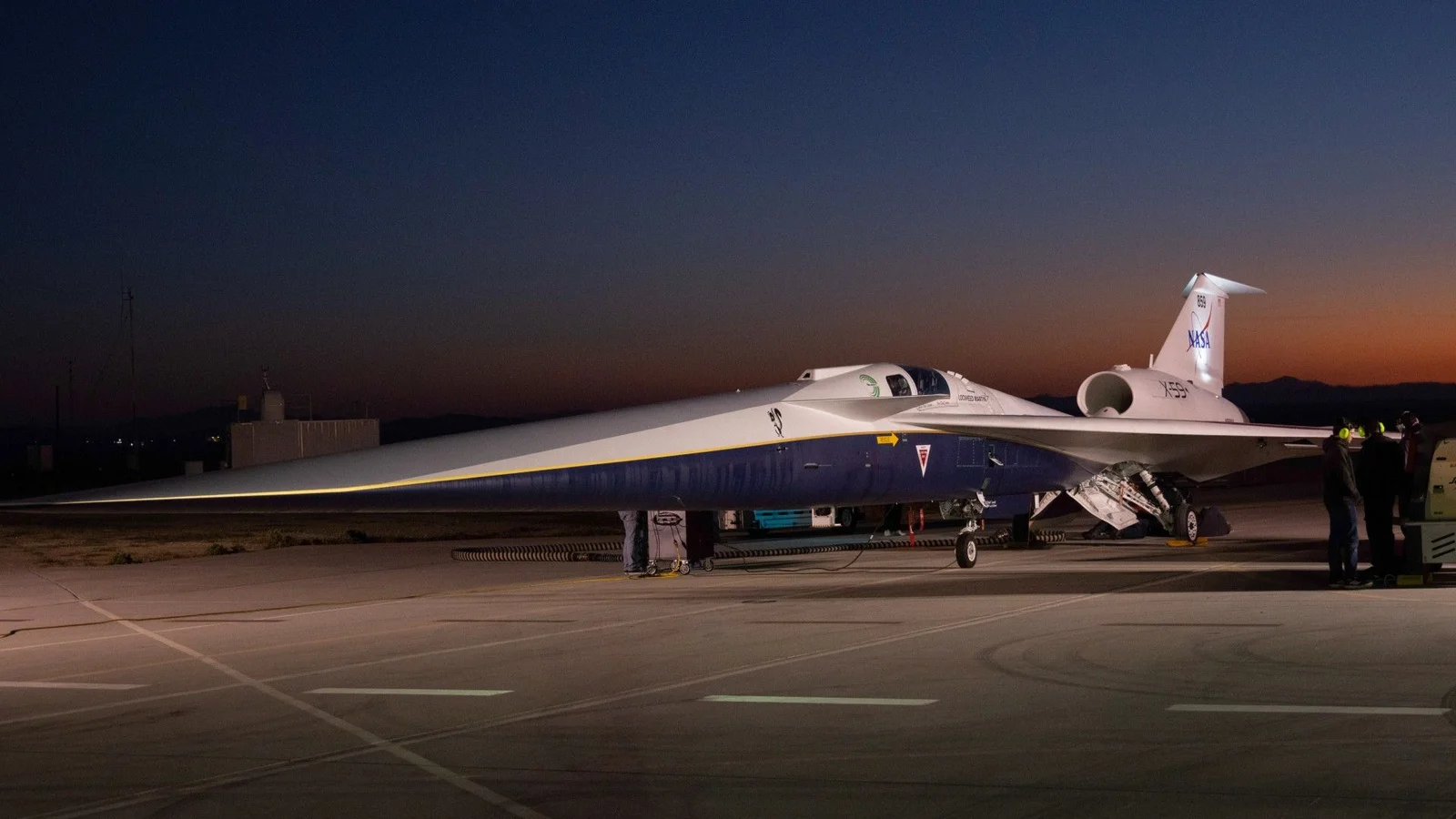
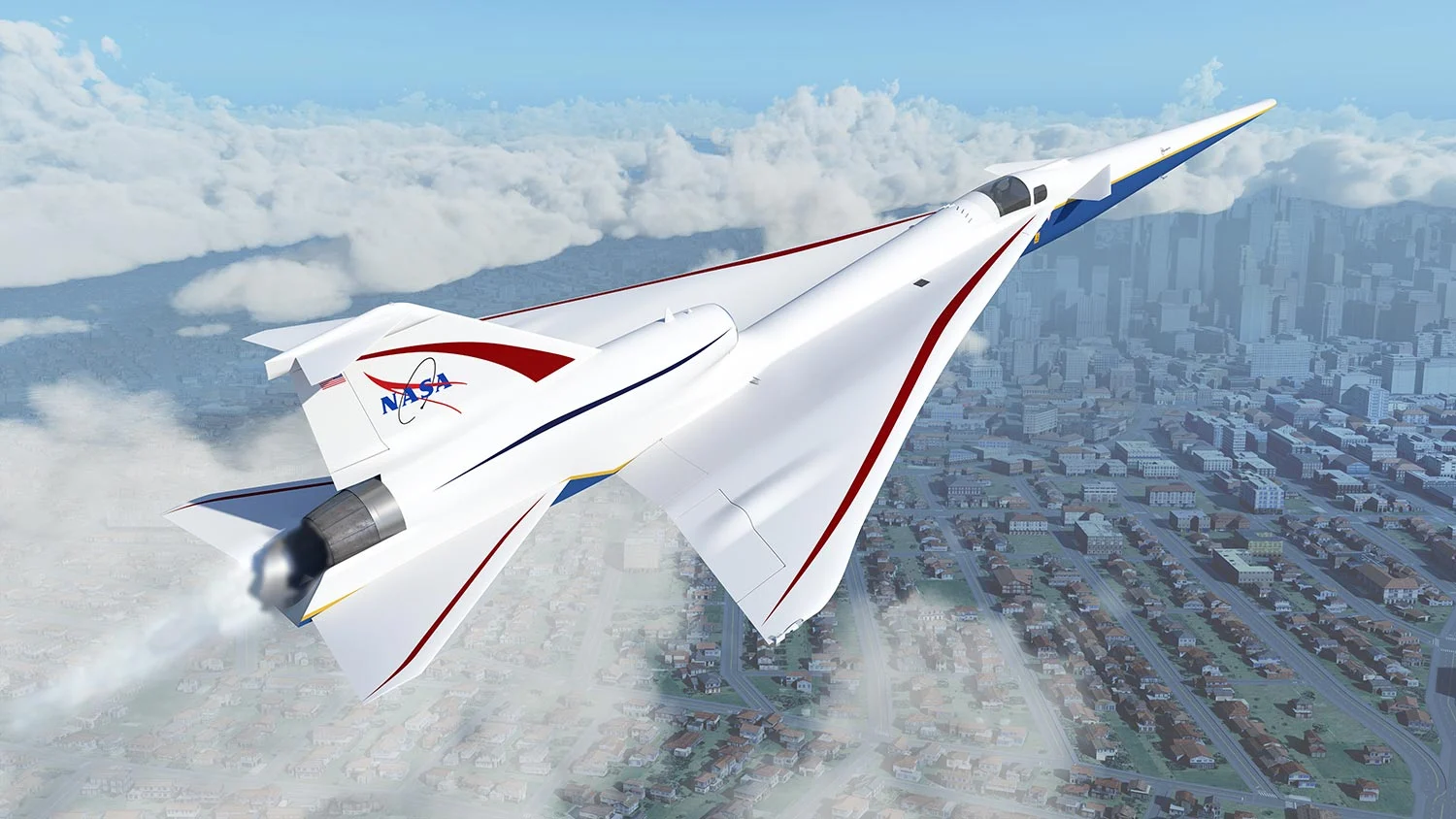
NASA's X-59 aircraft, developed with Lockheed Martin, aims to revolutionize supersonic travel by reducing the disruptive sonic boom to a quieter 'sonic thump.' The aircraft, featuring a unique elongated nose, is designed to manage shockwaves and spread them out, minimizing noise impact on the ground. The X-59 incorporates parts from various aircraft to save costs and relies on advanced computational technology for its design. Scheduled for test flights next year, the project seeks to gather data to potentially influence future commercial supersonic travel regulations.

NASA's X-59 Supersonic Jet Achieves Milestone with First Engine Test
technology1 year ago

NASA's X-59 Supersonic Jet Achieves Milestone with First Engine Test

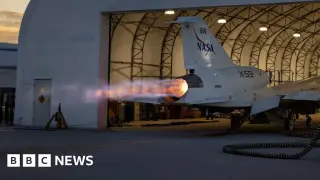
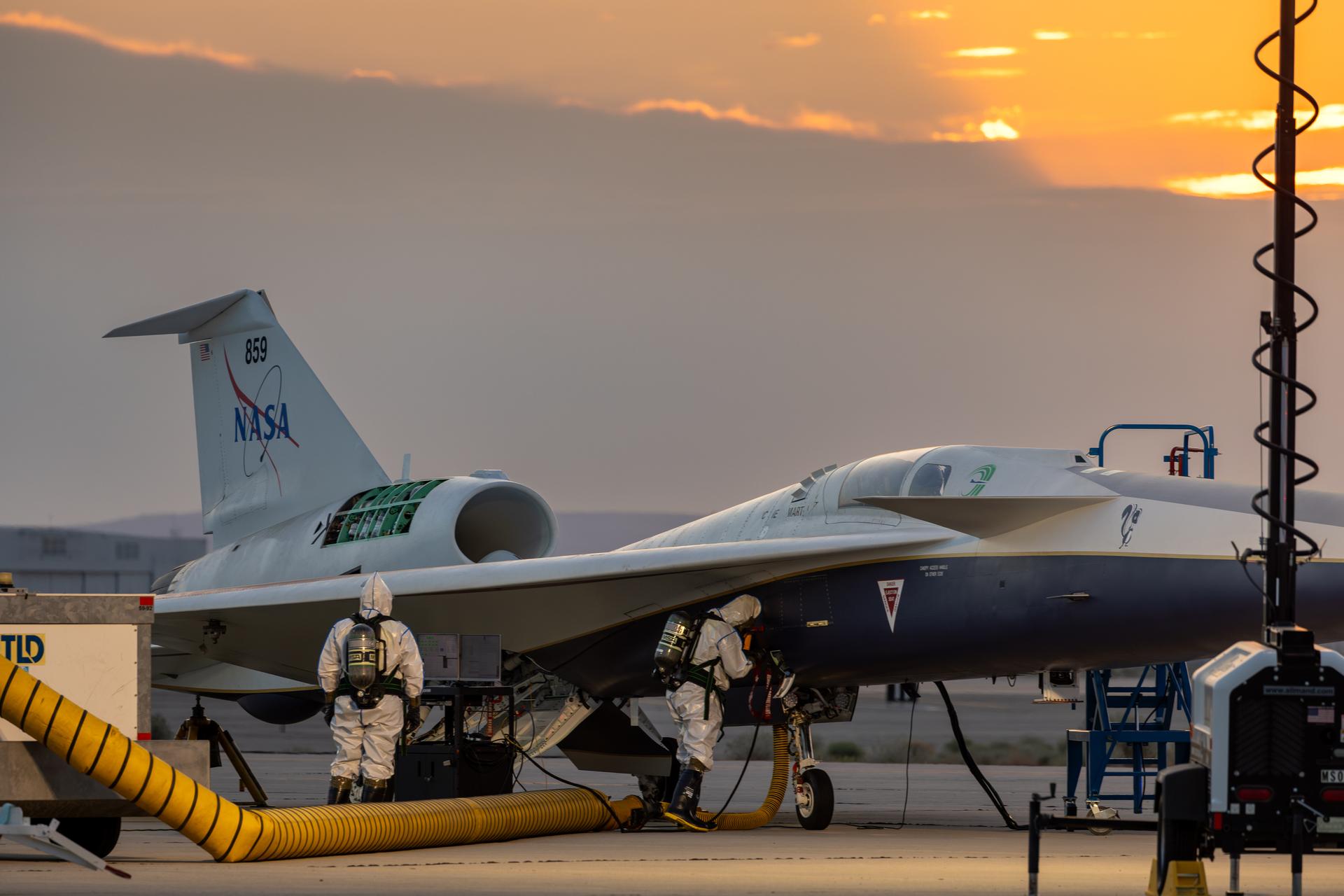
NASA has successfully fired up the engines of its X-59 Quiet Supersonic Technology (Quesst) aircraft, designed to produce a quieter "sonic thump" instead of a traditional sonic boom. This innovation aims to make supersonic flight over land feasible by reducing noise levels to 75 perceived loudness decibels, akin to a car door slam. The X-59, developed with Lockheed Martin, features a unique design with a long nose and external cameras for navigation, and is set to undergo further testing to establish acceptable noise standards for future supersonic travel.

NASA's X-59 Quiet Supersonic Jet Nears First Test Flight
technology2 years ago

NASA's X-59 Quiet Supersonic Jet Nears First Test Flight

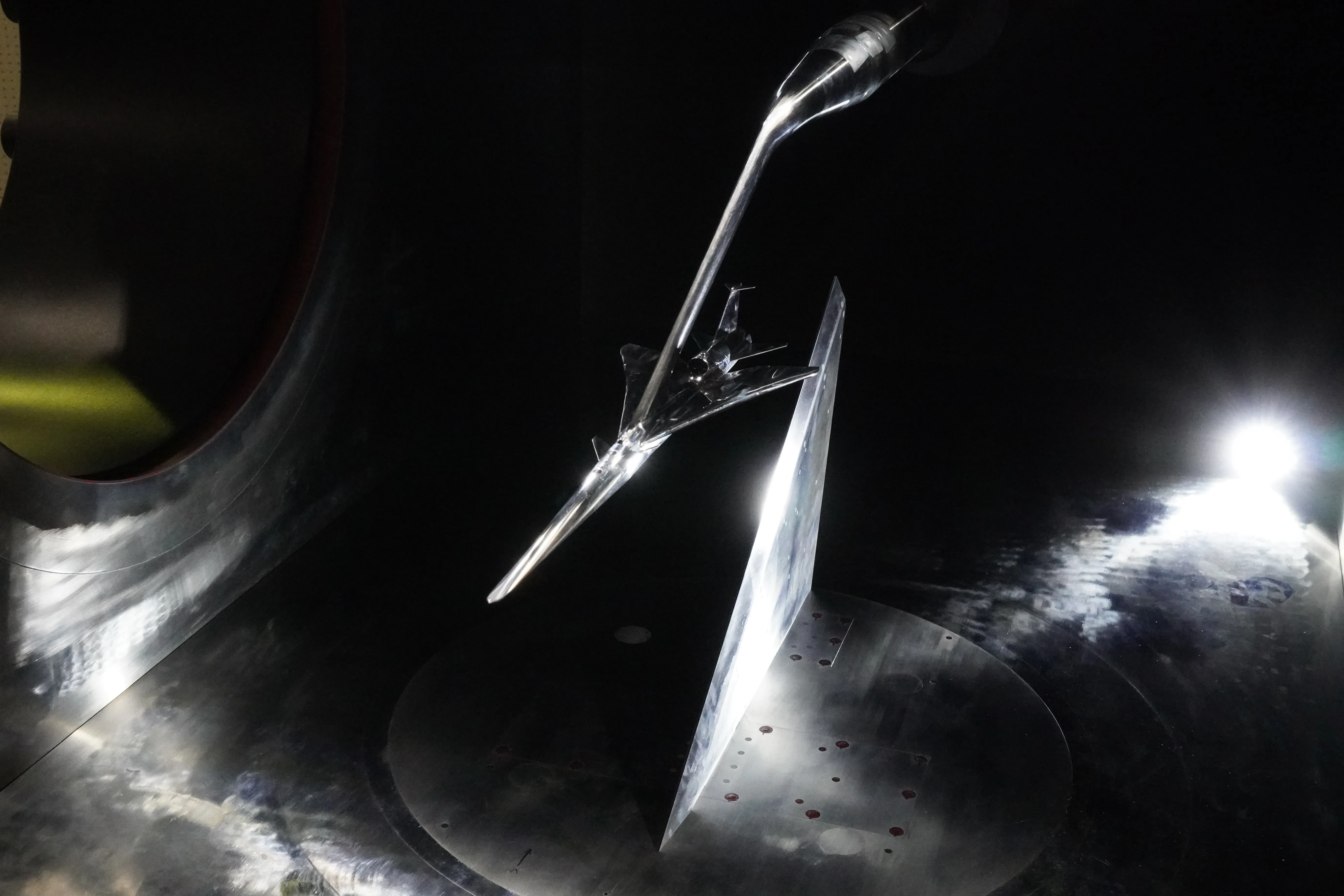
NASA's X-59 quiet supersonic aircraft project has reached a critical milestone with the completion of the Flight Readiness Review, allowing it to progress toward flight testing. The X-59, developed in collaboration with Lockheed Martin, aims to reduce the noise of sonic booms to a quieter "thump," potentially revolutionizing commercial air travel by enabling supersonic flight over land. The project will now move towards the Airworthiness and Flight Safety Review, with significant ground tests and systems integration ahead.

NASA's X-59 Supersonic Jet Clears Safety Review, Nears Test Flight
technology2 years ago

NASA's X-59 Supersonic Jet Clears Safety Review, Nears Test Flight

NASA's X-59 supersonic jet has passed its Flight Readiness Review, a crucial step towards its first flight. The review assessed safety measures and potential hazards, providing recommendations for the next phase, the Airworthiness and Flight Safety Review. The X-59, developed with Lockheed Martin, aims to reduce the noise of sonic booms, making supersonic flights over land feasible again. Further ground tests are planned before the jet's maiden flight.