
Moderna-Merck Melanoma Vaccine Success Sparks mRNA Manufacturing and Market Shifts
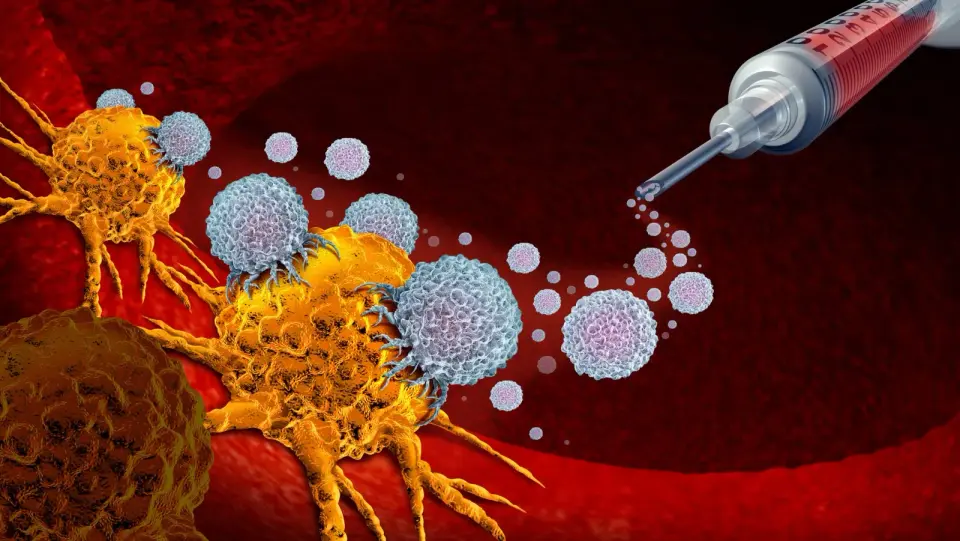
Merck and Moderna reported that their personalized mRNA cancer vaccine, intismeran autogene, significantly improved recurrence-free survival when combined with Keytruda in a phase 3 melanoma trial. While the companies withheld detailed data, the results have boosted investor confidence and accelerated interest in personalized oncology. However, industry experts warn that commercializing these treatments requires overcoming complex manufacturing hurdles, as each vaccine must be custom-made for individual patients, unlike traditional mass-produced drugs.
Key points
- The INTerpath-001 trial enrolled 1,137 patients with resected late-stage melanoma, showing statistically significant improvements in recurrence-free survival and distant metastasis-free survival for the combination therapy.
- Intismeran autogene targets up to 34 patient-specific neoantigens, a process that takes approximately six weeks to manufacture, allowing it to be used concurrently with standard-of-care immunotherapy Keytruda.
- The positive phase 3 results followed a 2024 regulatory setback where the FDA rejected an accelerated approval request, prompting the companies to wait for larger trial data before resubmitting.
- Moderna’s stock surged 177% on the announcement day, while competitors like Arcturus Therapeutics saw gains of up to 20%, signaling broad market optimism for mRNA-based cancer therapies.
- Manufacturing personalized vaccines presents a 'scale-out' challenge, requiring thousands of individual batches rather than mass production, with industry leaders citing a need for a six-to-eight-week turnaround from biopsy to dosing.
Background
Moderna and Merck have collaborated since 2016 to develop mRNA cancer vaccines. The technology gained mainstream attention during the COVID-19 pandemic, but its application in oncology has remained elusive until recently. The current success builds on a phase 2 trial that showed a 49% reduction in disease recurrence risk. The companies are now pursuing regulatory approval for the melanoma indication while continuing trials in non-small cell lung cancer, renal cell carcinoma, and bladder cancer.
How outlets are covering it
Fierce Biotech and UCHealth emphasize the clinical breakthrough, with experts like Jeff Coller calling it the start of a 'personalized medicine revolution.' UCHealth highlights the potential for rapid FDA approval, noting precedents with Keytruda. Conversely, BioPharma Dive focuses on the commercialization barriers, warning that the 'n-of-1' production model is fundamentally different from conventional manufacturing. While Fierce notes the positive market reaction, BioPharma Dive cites the failure of Provenge as a cautionary tale regarding cost and manufacturing scalability. The sources agree on the clinical promise but diverge on the feasibility of widespread commercial adoption.
Why it matters
The success of intismeran autogene could shift the standard of care for melanoma and potentially other solid tumors, moving oncology toward highly individualized treatments. If approved, it could reduce the 8,500 annual US deaths from melanoma spread. However, the success of this model depends on solving manufacturing and cost challenges; if personalized mRNA vaccines cannot be produced efficiently and affordably, the 'personalized medicine revolution' may remain limited to a niche market, failing to transform broader cancer care.
What to watch
Merck and Moderna plan to engage with regulators to file approval submissions for the intismeran and Keytruda combination. Detailed phase 3 data will be presented at a future medical meeting, which investors will scrutinize for efficacy in other cancers. Meanwhile, competitors like BioNTech and Arcturus Therapeutics are advancing their own mRNA platforms, with BioNTech continuing trials for pancreatic cancer and Arcturus exploring self-amplifying mRNA for infectious diseases and cancer.
- Is Moderna, Merck's mRNA cancer vaccine win the start of a 'personalized medicine revolution'? Fierce Biotech
- Clinical trials: New mRNA cancer vaccine plus Keytruda sharply improves melanoma survival UCHealth
- mRNA cancer vaccines’ biggest barriers to market BioPharma Dive
- A vaccine trial for melanoma shows it can slow down cancer growth: HealthLink KING5.com
- The data from Moderna and Merck’s trial have yet to be presented The Cancer Letter
Want the full story? Read the original reporting
Read on Fierce Biotech