
Oil Surges Past $108 as Saudi Pipeline Shutdown and Hormuz Delays Fuel Price Spike
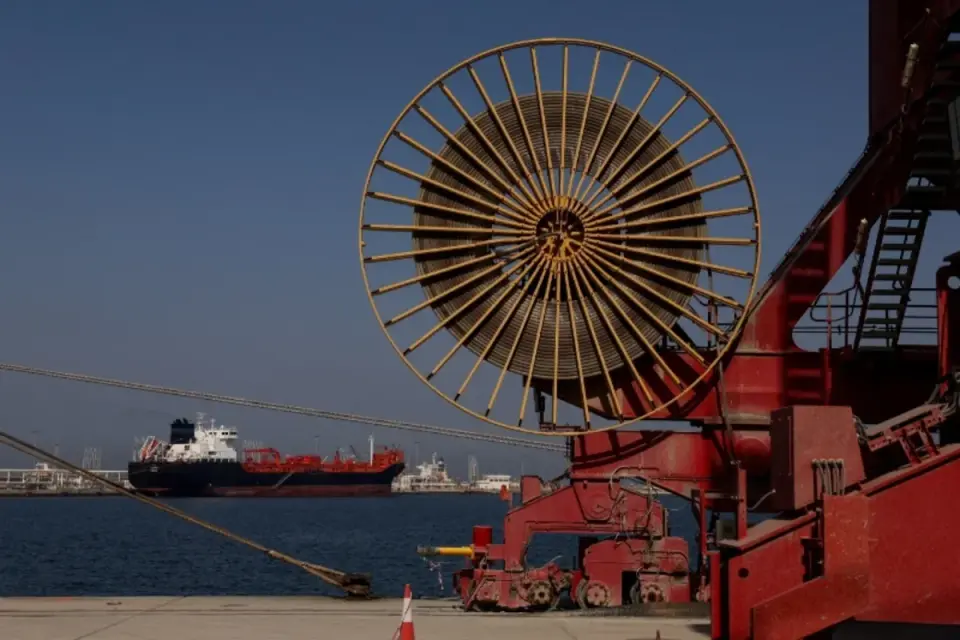
Crude oil prices jumped over 4% to a 16-week high, with Brent crude reaching $108 and WTI nearing $103 per barrel. The spike followed attacks on Saudi Arabia’s East-West pipeline, which was shut as a precaution, and a postponement of talks between Iran and Gulf nations regarding the Strait of Hormuz. Diesel prices hit an all-time high of $6.23 per gallon in the U.S., while gasoline rose to $4.31. Analysts note that China’s increased crude imports and depleting global inventories are key factors driving the rally, despite earlier efforts to suppress demand.
Key points
- Brent crude hit $108 and WTI reached $103 per barrel, marking a 16-week high.
- Saudi Arabia shut its East-West pipeline after attacks, with no timeline for reopening.
- A planned meeting between Iran and Gulf countries in Oman was postponed, citing consensus issues.
- U.S. diesel prices reached an all-time high of $6.23 per gallon; gasoline rose to $4.31.
- Global oil inventories have dropped by 400 million barrels since the war began in February.
Background
This escalation follows a series of Houthi attacks on Saudi energy infrastructure in early September, which previously pushed oil to six-week highs. The current surge marks a significant jump from the summer low of $68.55 for U.S. crude, reflecting the collapse of a June memorandum of understanding between the U.S. and Iran and the subsequent reimposition of a naval blockade in July.
How outlets are covering it
ABC News and NBC News emphasize the immediate impact of the pipeline shutdown and the postponed Oman talks on investor sentiment, noting that vessel traffic in the Strait of Hormuz has dropped to single digits. CNBC focuses on structural market dynamics, highlighting that China’s increased crude imports and the depletion of global inventories are driving prices higher, despite previous attempts to suppress demand. President Trump, as reported by ABC News, blamed diesel shortages on Ukrainian strikes on Russian refineries rather than Middle East conflicts, urging Kyiv to halt such attacks. In contrast, ING analysts noted that Russia’s ban on diesel exports, triggered by Ukrainian strikes, has tightened global markets alongside Persian Gulf disruptions.
Why it matters
The surge in oil and diesel prices threatens to trigger widespread inflation, as diesel costs affect transportation, food, and manufacturing. The prolonged conflict in the Middle East, combined with reduced shipping in the Strait of Hormuz and depleting global reserves, creates a volatile energy market that could impact the global economy for months. The postponement of diplomatic talks adds uncertainty, potentially prolonging supply disruptions and price volatility.
What to watch
Investors will watch for any resumption of talks between Iran and Gulf nations regarding the Strait of Hormuz. The timeline for reopening Saudi Arabia’s East-West pipeline remains unclear. China’s crude import levels and global inventory releases will be critical in determining whether oil prices sustain their rally or retreat. President Trump’s comments suggest a potential end to the conflict after the U.S. midterms, but market optimism regarding peace is waning.
- Oil prices continue surge, rising 3% amid Saudi pipeline outage after attack Yahoo Finance
- Oil Prices Jump as Attacks Choke Off Saudi Energy Supply The New York Times
- Iran live updates: Oil prices rise after strikes in Saudi Arabia, Strait of Hormuz ABC News - Breaking News, Latest News and Videos
- 10-year Treasury yield tops 5% as oil surges and diesel hits new all-time high NBC News
- Oil's roundtrip back to $100. Why China could determine what happens next CNBC
Want the full story? Read the original reporting
Read on Yahoo Finance