
2026 Fossil Emissions Dip 0.4% Due to Iran War, Not Clean Energy Progress
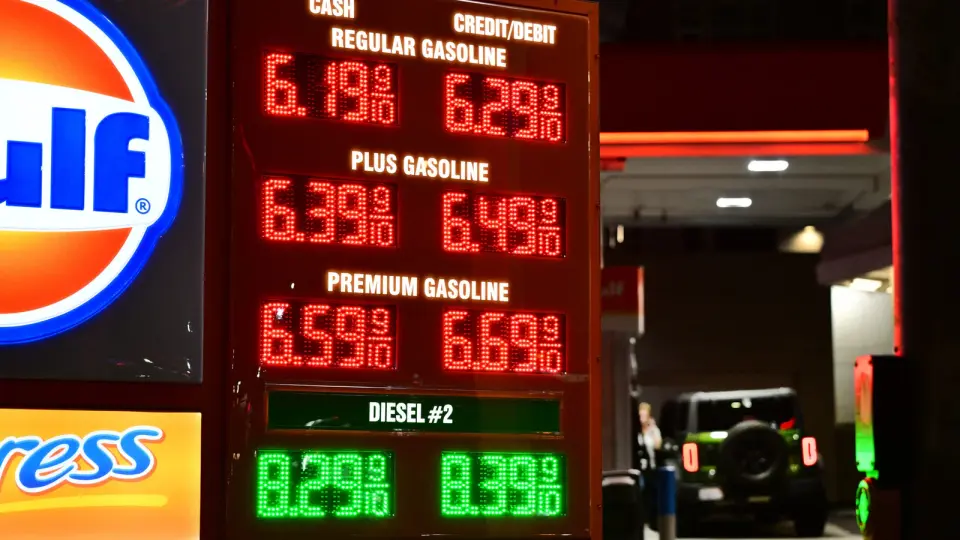
Global fossil fuel carbon dioxide emissions are projected to fall by 0.4 percent in 2026, reaching approximately 38.2 billion tons. This decline, the first since the 2020 pandemic, is primarily attributed to the energy shock caused by the war in Iran and the closure of the Strait of Hormuz, which spiked oil prices and reduced consumption. While clean energy growth contributed to the drop, experts warn that the reduction is temporary and not a sign of a permanent peak in emissions.
Key points
- Global fossil fuel CO2 emissions are projected to decrease by 0.4 percent in 2026, driven by a 1.9 percent drop in oil emissions and a 0.3 percent decline in natural gas use.
- The decline is largely attributed to the Iran conflict and resulting oil price spikes, rather than structural changes in energy demand or clean technology adoption.
- Coal emissions are expected to rise by 0.6 percent, partially offsetting the reductions in oil and gas, with increased consumption in China and India.
- Clean technologies, including electric vehicles and solar/wind power, offset 64-79 percent of emissions from new energy demand through 2028, but are not yet sufficient to ensure a sustained peak.
- Total CO2 emissions, including land-use changes, are projected to rise slightly to 43.3 billion tons, with the remaining carbon budget for 1.5 degrees Celsius estimated at less than four years.
Background
This 2026 dip follows a period of steady growth in fossil fuel emissions, which increased by 0.8 percent per year on average between 2019 and 2025. Previous analyses noted that while 59 countries reduced emissions while growing their economies during this period, global totals continued to rise. The current decline contrasts with the 2020 pandemic-driven drop, as energy demand actually increased in 2026, but was met by clean energy and price-driven conservation. Background reports from earlier in 2026 highlighted concerns about wealth inequality in carbon emissions, with Oxfam noting that the top 0.1 percent of the global population emits more carbon than half of humanity, underscoring the uneven distribution of climate impacts and responsibilities.
How outlets are covering it
Ars Technica and The New York Times emphasize that the 2026 emissions dip is an 'inadvertent conservation effort' driven by geopolitical conflict rather than climate progress, with NYT quoting researcher Glen Peters as calling the drop 'unexpected' and not a true peak. Nature and the University of Exeter highlight the role of clean energy, noting that EVs and renewables offset 64-79 percent of demand-driven growth, but stress that acceleration is needed for a sustained peak. All sources agree that the decline is likely temporary, with NYT and Exeter warning that if the Iran war ends and the Strait of Hormuz reopens, oil demand could bounce back. Exeter provides additional context on land-use changes, noting that total CO2 emissions (including deforestation) are projected to rise, while Ars and Nature focus on the structural drivers of fossil fuel trends.
Why it matters
The 2026 emissions dip underscores the fragility of climate progress when driven by geopolitical shocks rather than structural changes. While clean energy adoption is accelerating, it is not yet sufficient to offset demand-driven growth, meaning a sustained peak in emissions remains uncertain. The remaining carbon budget for 1.5 degrees Celsius is now less than four years, highlighting the urgency for accelerated clean technology deployment. Without structural changes, the 2026 dip may be reversed, and global emissions could resume their upward trend, exacerbating climate change impacts.
What to watch
Researchers project that global fossil fuel emissions will continue to increase through 2028 unless clean technology deployment accelerates. The International Energy Agency expects coal demand to peak before 2030, while gas and oil demand may continue to grow. Countries like China, which accounts for 32 percent of global emissions, are projected to see a 0.9 percent decline in 2026, but experts debate whether this trend will persist. The next few years will be critical in determining whether clean energy adoption can lock in a peak and subsequent decline in global emissions.
- Carbon emissions are down this year—but that probably won’t last Ars Technica
- A further acceleration of clean energy is needed for global CO2 emissions to peak and decline | Nature Climate Change Nature
- The Iran War Unexpectedly Drove Down Carbon Emissions This Year The New York Times
- Fossil CO2 emissions decrease in 2026 University of Exeter News
- Global CO² Emissions to Fall as Iran War Cuts Fossil-Fuel Use WSJ
Want the full story? Read the original reporting
Read on Ars Technica