
Arbitrator orders Uber to pay $40M for passenger killed after driver abandoned her on California freeway
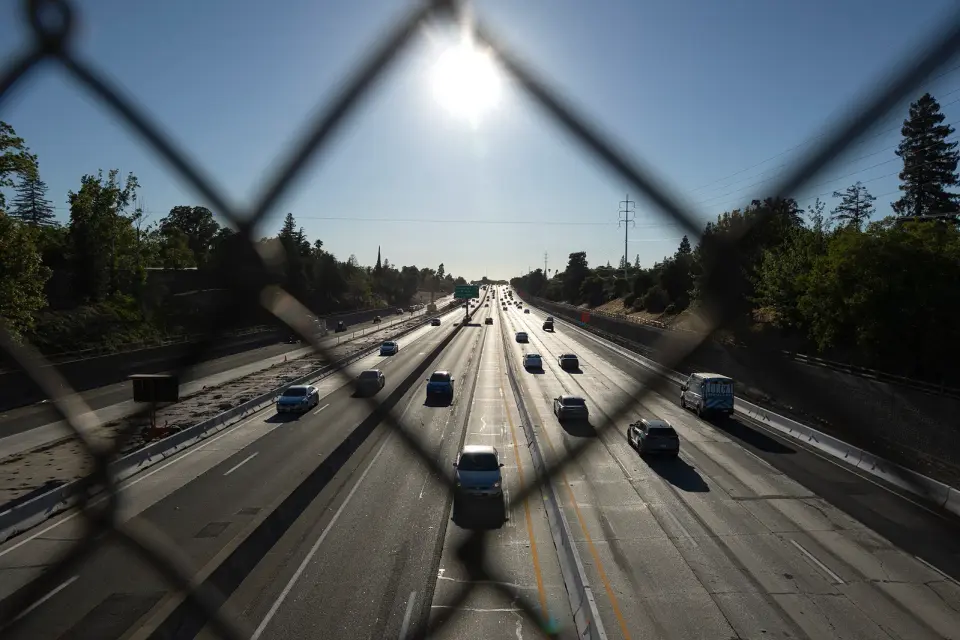
A California arbitrator has ordered Uber to pay $40 million to the parents of Emily Normandin-Parker, who was killed in 2023 after a driver left her on a freeway. The ruling rejects Uber's reliance on Proposition 22 to avoid liability, marking a significant legal precedent for gig economy accountability.
Key points
- Arbitrator Richard Stone ordered Uber to pay $40 million, split as $20 million each to Emily Normandin-Parker's parents, and $300,000 to her friend Luna Moore.
- The incident occurred on August 12, 2023, when driver Vu Tran stopped on a gore point of State Route 73 in Orange County and left the two intoxicated women on the side of the highway.
- Normandin-Parker, 23, was struck and killed by another vehicle while wandering in traffic; the arbitrator noted conflicting testimony from the driver and the friend regarding the exact sequence of events.
- Stone ruled that Proposition 22, which classifies gig workers as independent contractors, does not immunize Uber from vicarious liability for its drivers' actions.
- The arbitrator also rejected Uber's argument that it is not a 'common carrier,' stating the company has a non-transferable duty of safety regardless of its public utility licensing status.
Background
This ruling follows a five-day arbitration process that concluded in July 2026, with the award details reported in September. The case stems from a lawsuit filed in September 2023 by the victim's parents and her friend. The decision comes amid ongoing legal challenges to California's Proposition 22, which was passed in 2020 with over $200 million in spending by gig companies to maintain independent contractor status. The award will fund the Emily Normandin-Parker Foundation, established by the victim's parents to advocate for ride-hailing safety and corporate accountability.
How outlets are covering it
CalMatters and CBS News highlight the family's perspective that Uber failed to take responsibility, noting that the company initially offered a settlement requiring the parents to pay $10 million for each public disclosure of the incident. BBC emphasizes the family's statement that they trusted Uber to ensure their daughter's safety. Conversely, Uber spokesperson Gabriela Condarco-Quesada maintains that the arbitrator was wrong, citing Proposition 22 and arguing that the driver, Vu Tran, had a clean record and passed background checks. Uber also argued that the death resulted from the passengers' extreme intoxication rather than the driver's actions. While CalMatters notes that Uber had received previous complaints about Tran's driving, the company asserts it had no duty to train him beyond standard background checks due to his independent contractor status.
Why it matters
The ruling establishes a critical precedent that Proposition 22 does not shield ride-hailing companies from liability for driver negligence. It challenges the legal framework that allows gig platforms to avoid vicarious liability, potentially influencing future cases and legislation regarding worker classification and corporate responsibility in the transportation sector.
What to watch
Uber has stated it disagrees with the decision but has not indicated whether it will appeal. The victim's parents plan to use the funds to support the Emily Normandin-Parker Foundation, which aims to advocate for stronger regulations and safety standards in the ride-hailing industry. The arbitrator warned that if Uber fails to change its policies, it does so at its own substantial risk.
- Uber ordered to pay $40 million after stranded passenger killed on highway CalMatters
- Uber ordered to pay $40m to family of woman killed after driver left her on highway BBC
- Uber ordered to pay $40M over death of woman left on Southern California freeway KTLA
- Family awarded $40 million after Uber driver leaves daughter on Orange County freeway and she's killed cbsnews.com
- Uber ordered to pay $40M after UCLA grad killed on freeway NewsNation
Want the full story? Read the original reporting
Read on CalMatters