
U.S. Home Sales Hit 10-Month Low as Record Inventory Meets Rising Prices
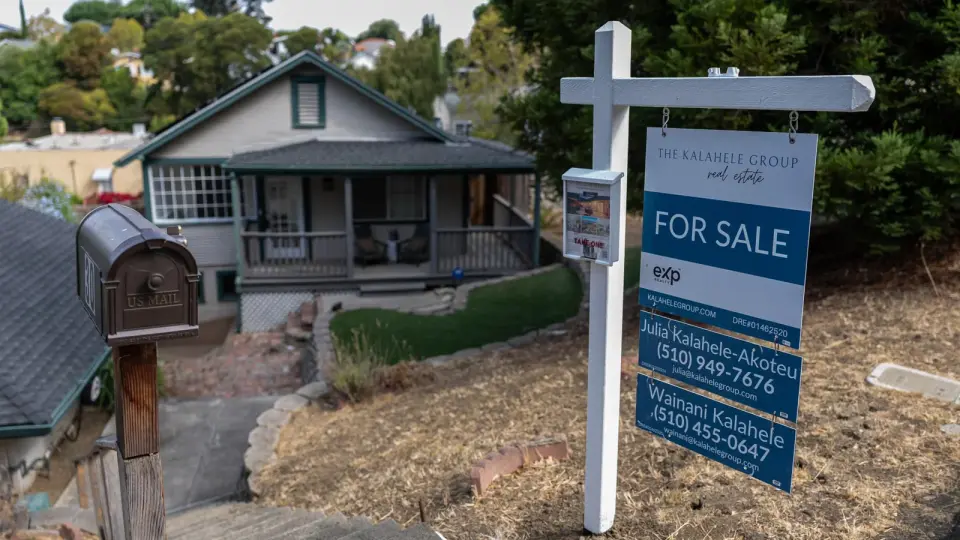
Existing home sales dropped 2% in August to 3.98 million units, the slowest pace since June 2025, despite the highest housing supply in over a decade. The median home price reached a record $429,100, up 1.6% year over year, while inventory hit a 4.9-month supply. Regional disparities emerged, with the Northeast and Midwest seeing the steepest sales declines, and price corrections hitting former pandemic boomtowns like Austin and Tampa hardest.
Key points
- Existing home sales fell 2% month-over-month in August, marking the slowest pace since June 2025, with the Northeast and Midwest experiencing the sharpest drops.
- The median existing home price reached a record $429,100, up 1.6% year over year, even as housing supply hit a 4.9-month level, the highest in over a decade.
- Sales of homes priced above $1 million rose 3.9% year over year, while sales of homes between $100,000 and $250,000 fell 10%, highlighting a widening affordability gap.
- Price per square foot declined year over year in 36 of the top 50 metro areas, with Austin, Tampa, and Memphis seeing the steepest drops, reflecting a correction in pandemic-era boomtowns.
- Homes spent an average of 31 days on the market in August, up from 29 days in July, and investor/second-home buyers accounted for just 15% of sales, down from 21% a year ago.
Background
This August slowdown follows a period of elevated mortgage rates that surged in mid-July 2026, directly impacting buyer affordability. The current market contrasts with the 2020-2022 pandemic era, when cities like Austin and Tampa saw explosive price growth; our earlier coverage noted Austin's typical home prices had fallen roughly 25% from their 2022 peak by August 2026. The recent rise in inventory to a 4.9-month supply marks a significant shift from the tight market conditions of 2021-2022, when supply was often below 3 months, and signals a broader normalization in pricing dynamics across former boomtowns.
How outlets are covering it
CNBC and Realtor.com agree that high mortgage rates and rising prices are suppressing sales, but they emphasize different aspects of the market. CNBC highlights the national sales decline and the record median price, noting that sales are up 1.6% year-to-date despite the August dip. Realtor.com focuses on the geographic and price-per-square-foot corrections, pointing out that 36 of the top 50 metros saw year-over-year price drops, particularly in former pandemic boomtowns like Austin and Tampa. While CNBC notes the West was the only region with a median price decline, Realtor.com details that San Francisco saw a 3.9% price-per-square-foot drop due to a shift in inventory toward larger, less expensive per-square-foot homes in outer suburbs, rather than weak demand. Both sources acknowledge that cash buyers and first-time buyers remain relatively stable, while investor and second-home buyers have retreated significantly.
Why it matters
The divergence between rising prices and falling sales, coupled with record-high inventory, signals a potential shift in the housing market's trajectory. If mortgage rates remain elevated, the current price increases may not sustain buyer demand, leading to further price corrections in the coming months. The widening gap between luxury and affordable home sales could exacerbate housing affordability issues, while the retreat of investor buyers may reduce rental supply in some markets. Monitoring these trends will be crucial for understanding the broader economic impact of the housing market on consumer spending and financial stability.
What to watch
Analysts expect the housing market to remain sensitive to mortgage rate changes in the autumn buying season. If rates decline, sales may rebound, but if they remain high, further price corrections could occur, particularly in markets with high inventory. The shift in inventory toward larger, less expensive per-square-foot homes in some metros may continue to influence price trends. Additionally, the stability of cash buyers and first-time buyers will be key indicators of market resilience, while the retreat of investor buyers may signal a broader cooling in the rental market.
- Home sales fall in August despite the highest supply in over a decade CNBC
- The US cities where home prices are falling the fastest Fox Business
- Home Prices Are Falling the Fastest in These Cities Realtor.com
- US Existing Home Sales Slide to Weakest Pace in More Than a Year Bloomberg.com
- US home sales weaken to slowest pace in more than a year as mortgage rates, home prices climb 10TV
Want the full story? Read the original reporting
Read on CNBC