
August Jobs Report: A Record Beat That May Mask Underlying Weakness
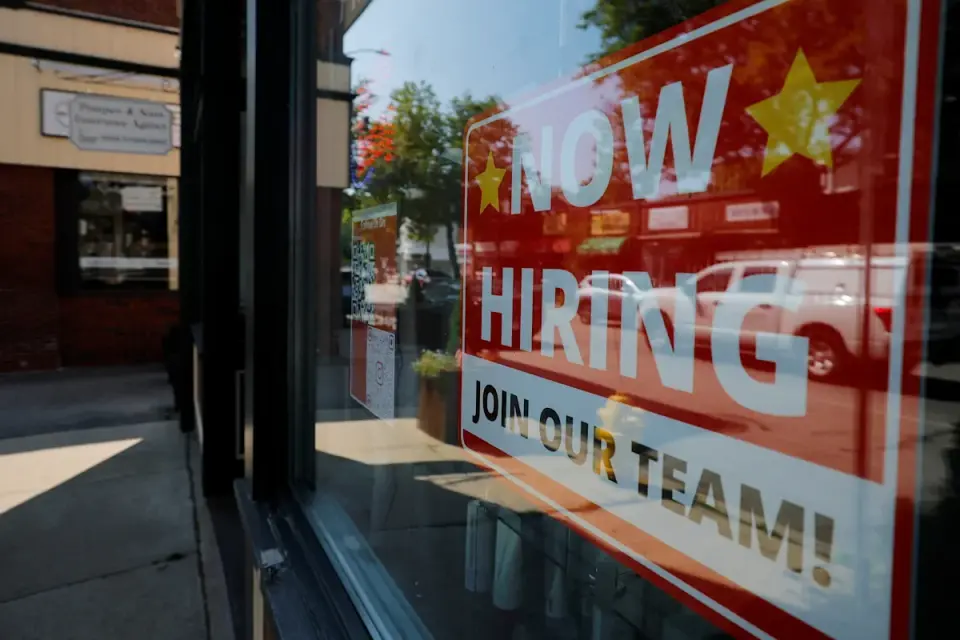
The U.S. economy added 162,000 jobs in August, a figure that represents the largest monthly gain in nearly 30 years. While the unemployment rate held steady at 4.1%, analysts suggest the headline number may overstate the true health of the labor market. The report coincides with rising mortgage rates, complicating the Federal Reserve's upcoming interest rate decisions amid persistent inflation.
Key points
- August nonfarm payrolls rose by 162,000, significantly exceeding the 55,000 jobs forecast by economists.
- The unemployment rate remained unchanged at 4.1%.
- June and July job gains were revised upward by a combined 55,000, reinforcing the appearance of a strong labor recovery.
- Healthcare was the primary driver of the August job gains, while restaurant and bar employment also contributed.
- ADP private payroll data indicated a slower rise in private sector jobs than the official government report suggested.
- Mortgage rates climbed during the period, adding to financial pressures for consumers and businesses.
Background
This August report follows a period of steady labor market resilience. Previous coverage in September 2026 highlighted the same 162,000 job figure as a major beat over forecasts, with the unemployment rate holding at 4.1%. The current analysis adds nuance by questioning the sustainability of this growth, particularly in light of conflicting private sector data and rising borrowing costs.
How outlets are covering it
Yahoo Finance and AP News both report the core figures of 162,000 added jobs and a 4.1% unemployment rate. However, their framing differs. Yahoo Finance emphasizes that the 'biggest August jobs beat in nearly 30 years' may be 'less impressive than it looks,' suggesting underlying weakness or data revisions that mask a slower trend. AP News presents the data as a 'bounce back' in hiring, focusing on the positive momentum but simultaneously noting the concurrent rise in mortgage rates, which highlights the tension between labor strength and consumer financial stress. The divergence in ADP private payroll data, noted in earlier coverage, further complicates the narrative, as private sector hiring appears less robust than the official government numbers imply.
Why it matters
The August jobs report is a critical indicator for the Federal Reserve's monetary policy. A strong jobs report in the context of stubborn inflation and rising mortgage rates may delay interest rate cuts, potentially prolonging economic tightening. Conversely, if the 'impressive' headline masks underlying weakness, the Fed might pivot to support the economy sooner. The discrepancy between official government data and private ADP figures creates uncertainty for investors and policymakers regarding the true state of the labor market.
What to watch
The Federal Reserve will use this data to inform its near-term interest rate decisions. Market participants will closely watch for revisions to the June and July figures and for any signs of cooling in the labor market that might justify a shift in monetary policy. The trajectory of mortgage rates will also be monitored, as they directly impact consumer spending and housing markets.
- The biggest August jobs beat in nearly 30 years may be less impressive than it looks: Chart of the Day Yahoo Finance
- US nonfarm payrolls blow past expectations in August; unemployment rate steady at 4.1% Reuters
- America In Focus: US hiring bounces back in August; mortgage rates climb AP News
- Women accounted for almost all of job gains in August. Here's why CNBC
- World in Brief: America releases a blockbuster jobs report; diesel prices reach record highs The Economist
Want the full story? Read the original reporting
Read on Yahoo Finance