
Bank of England hikes rates to 4% as Iran war drives inflation fears
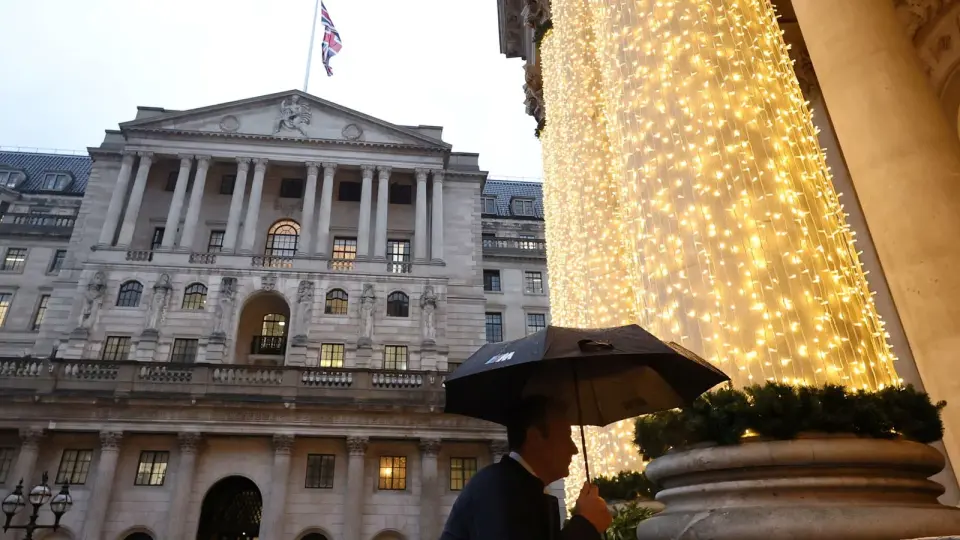
The Bank of England raised its base rate by 25 basis points to 4% on Thursday, marking its first increase in over three years. Policymakers cited the ongoing conflict with Iran as the primary driver for resurgent inflation, which is forecast to reach approximately 5% by mid-2027. The decision was widely anticipated, with markets pricing in a near-certain hike. While the move aims to curb rising energy costs, it introduces uncertainty for borrowers and savers, with mortgage rates already at three-year highs.
Key points
- The Bank of England raised its key interest rate by 25 basis points to 4%, the first hike since August 2023.
- The Monetary Policy Committee voted 8-1 in favor of the hike, with one member advocating for a 50 basis point increase to 4.25%.
- Policymakers project UK inflation will rise to about 5% by mid-2027, driven by energy price shocks from the Iran war.
- Governor Andrew Bailey stated the hike should not be seen as the start of an inevitable long sequence of increases, but further hikes remain possible if the conflict persists.
- Markets had priced in a 99% chance of a hike, and traders are now assessing the likelihood of a further increase in December.
Background
The Bank of England had held rates steady for six consecutive meetings following a period of tightening that peaked at 5.25%. The current decision reverses a downward trend in borrowing costs that began after the U.S. and Israel initiated military action against Iran. Prior to this hike, UK inflation had risen to 3.5% in September, well above the central bank's 2% target, primarily due to surging fuel costs linked to bottlenecks in the Strait of Hormuz.
How outlets are covering it
While all sources agree on the 25 basis point hike to 4%, they differ on the implications for future policy. CNBC and The Guardian emphasize the hawkish tone of the committee, noting that Governor Bailey warned further hikes are likely unless the Iran war ends. The New York Times frames the move as part of a global trend, with the Federal Reserve, European Central Bank, and Bank of Japan also raising rates in response to resurgent inflation. AP News highlights a more conditional outlook, noting that a sharp drop in energy prices following U.S. midterm elections could limit the need for further hikes. Economists cited by The Guardian, such as those from Deutsche Bank and Janus Henderson, describe the current hike as an 'insurance policy' against second-round inflation effects, suggesting that while one more hike is plausible, a prolonged tightening cycle is not guaranteed if energy prices stabilize.
Why it matters
The rate hike increases borrowing costs for millions of UK mortgage holders and businesses, potentially slowing economic growth. However, it also aims to protect the Bank of England's credibility in fighting inflation. The decision underscores the vulnerability of the UK economy to external energy shocks, as a net energy importer, and highlights the direct link between geopolitical conflict and domestic monetary policy. For savers, the hike may improve returns, but the overall impact on household purchasing power remains a concern, particularly for lower-income groups facing higher energy bills.
What to watch
The Bank of England will monitor energy prices and inflation data in the coming months to determine if further rate hikes are necessary. A December hike is now considered a possibility, with markets pricing in a one-in-four chance. The outcome will depend largely on the resolution of the Iran war and the stability of oil and gas prices. If energy prices remain elevated, the Bank may implement additional hikes to prevent second-round inflation effects, such as wage-price spirals. Conversely, if the conflict ends and energy prices fall, the Bank may pause or even consider easing rates in the future.
- Bank of England hikes interest rate for the first time since Iran war, warns inflation will near 5% CNBC
- Bank of England Raises Rates for First Time in Three Years The New York Times
- BoE hikes rate for first time in 3 years; retreating oil prices may allow for more options ahead AP News
- Today’s UK interest rate rise unlikely to be the last unless Iran war ends, Bank of England warns – business live The Guardian
- After interest rate rise, the question now is how many more Sky News
Want the full story? Read the original reporting
Read on CNBC