
China’s Singles’ Day sales stall as consumers tighten belts amid property slump
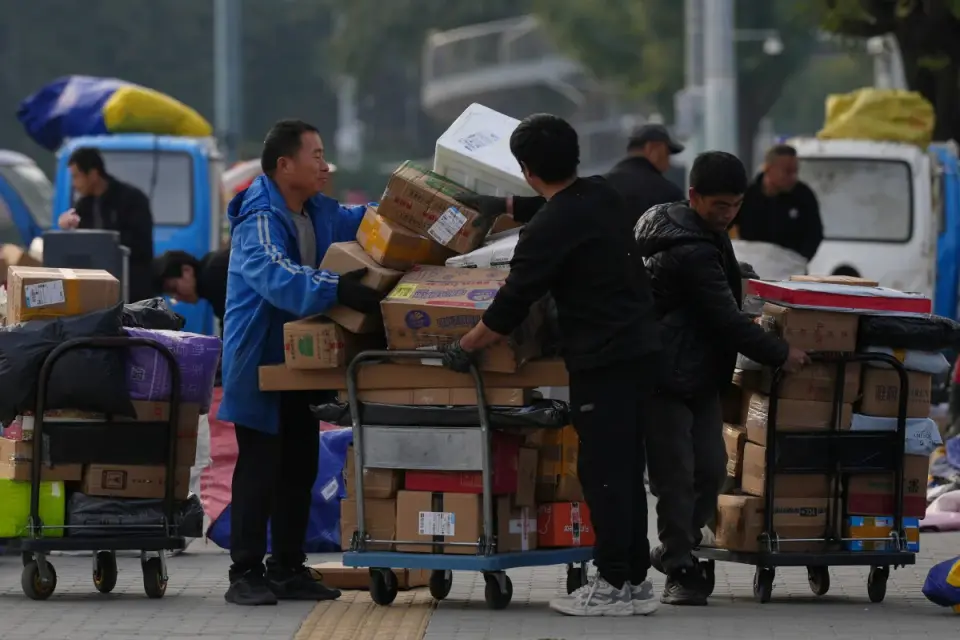
China’s annual Singles’ Day shopping festival shows weak consumer demand, with cumulative sales through late October matching last year’s figures despite extended promotions. A prolonged property downturn and reduced household wealth have eroded confidence, leading shoppers to cut non-essential spending. While overall economic growth remains robust at 4.6% due to strong exports, domestic retail sales have lagged, rising only 1.1%. Consumers are increasingly prioritizing health and lifestyle products over luxury goods, reflecting a shift toward essential spending and internal fulfillment.
Key points
- Cumulative Singles’ Day sales reached just over 1 trillion yuan ($154 billion) by October 31, similar to last year, despite the festival being extended to boost totals.
- Consumer confidence has fallen due to a years-long real estate downturn, with home prices down roughly 20% from 2021 peaks, particularly in smaller cities.
- Domestic retail sales for consumer goods rose only 1.1% year-on-year in the first nine months, contrasting with a 35% surge in exports in October.
- Passenger car sales inside China fell nearly 25% in the first nine months, partly due to reduced government subsidies, while car exports jumped 71%.
- Luxury brands like LVMH and Kering report dipping customer demand in China, though sales of health supplements and imported fish oil have grown significantly.
Background
Previous coverage noted a surge in Chinese electric vehicle exports and a cultural boom in mahjong tiles, highlighting China’s strong export performance. However, this article reveals that domestic consumption remains weak, with consumers prioritizing savings and essential items over luxury goods due to economic uncertainty.
Why it matters
The weak Singles’ Day performance signals a structural shift in Chinese consumer behavior, driven by a property downturn and reduced household wealth. While exports remain strong, policymakers face pressure to stimulate domestic demand to rebalance the economy. The trend toward health and lifestyle spending indicates a move away from status symbols, reflecting a more cautious and essential-focused consumer mindset.
What to watch
Analysts expect continued divergence in consumer spending, with pockets of growth in health and lifestyle products offsetting declines in luxury and big-ticket items. Policymakers may face increased pressure to implement measures to boost domestic demand, as export growth alone may not sustain long-term economic stability.
Want the full story? Read the original reporting
Read on AP News