
Cocoa Crisis and Gas Prices Drive 6.7% Drop in Early Halloween Candy Sales
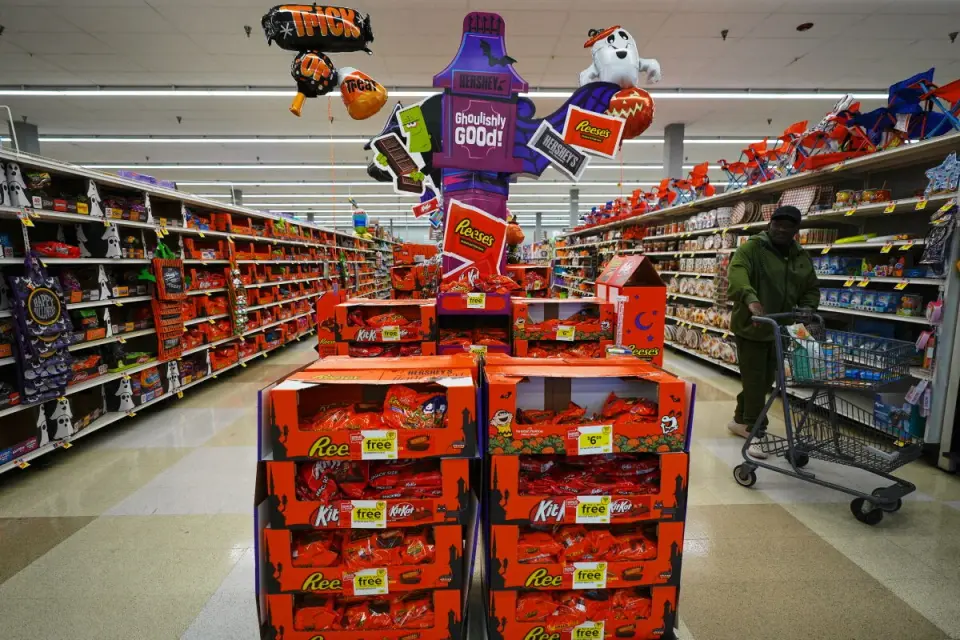
U.S. Halloween candy sales fell 6.7% in the month ending October 17, 2026, as high gas prices and record cocoa costs squeezed household budgets. While chocolate prices remain elevated due to supply shocks in West Africa and fertilizer disruptions, non-chocolate candy sales also declined despite lower prices, indicating broader consumer caution. Manufacturers are responding by reformulating products and promoting salty snacks as alternatives to traditional treats.
Key points
- NielsenIQ reported an 11.7% decline in candy sales in mid-September, erasing preseason gains, followed by a 6.7% drop in the month ending October 17.
- U.S. gasoline prices averaged $4.29 per gallon, up nearly 40% year-over-year, exacerbating affordability concerns for consumers.
- Global cocoa prices hit a record $10,710 per metric ton in January 2025 due to poor weather in West Africa, which supplies 70% of global chocolate, and speculative trading.
- Candy and gum prices have risen 44% over five years, outpacing the 22.5% increase in general at-home food costs.
- Small candy bags saw growth, while large and extra-large bags experienced the steepest declines.
- Non-chocolate candy prices fell 3% year-over-year to $6.08 per pound, yet sales remained soft, suggesting consumers are delaying purchases or cutting back entirely.
Background
Earlier reports in October 2026 noted that Halloween candy prices had surged 8.1% year-over-year, with chocolate costs rising 15.5% due to global cocoa supply shocks. Despite these increases, the National Retail Federation projected total Halloween spending would reach $13.5 billion, with 96% of shoppers planning to buy sweets. Maryland residents were reported to spend the most per capita on candy, at $67.95, compared to the national average of $49.19. These figures highlighted a tension between consumer intent and actual purchasing power, with many viewing candy as a necessary small luxury despite broader financial strain.
How outlets are covering it
AP News and KCCI emphasize the impact of high gas prices and general affordability concerns on consumer behavior, citing NielsenIQ data on sales declines. Food Dive focuses on the structural cost drivers, noting that candy prices rose 15% in 2026, four times the rate of overall inflation, and highlights how manufacturers are shifting strategies by reformulating products and promoting salty snacks. While AP and KCCI suggest consumers are delaying purchases until closer to Halloween, Food Dive points to a more permanent shift in consumption habits, with 35% of shoppers planning to skip candy entirely. The National Confectioners Association remains optimistic, stating that consumer enthusiasm is strong as the peak period begins, contrasting with the cautious tone of market research firms.
Why it matters
The decline in early Halloween candy sales signals a broader shift in U.S. consumer behavior amid persistent inflation and supply chain disruptions. As cocoa and sugar costs remain elevated due to climate and geopolitical factors, the confectionery industry is forced to innovate with lower-cost ingredients and alternative products. This trend may redefine holiday spending patterns, with consumers prioritizing essential expenses over discretionary treats, potentially impacting the $13.5 billion Halloween market and influencing long-term product development in the food industry.
What to watch
Analysts expect sales to remain soft through the holiday, with consumers likely purchasing smaller quantities or delaying buys until closer to October 31. Manufacturers will continue to monitor cocoa price fluctuations, which are expected to rise again due to El Niño conditions and fertilizer supply issues. The success of salty snack alternatives and reformulated candies will determine whether the industry can maintain market share despite price pressures. Retailers may adjust promotions and inventory levels in response to the observed shift toward smaller, more frequent shopping trips.
- Halloween candy sales are off to a slow start amid high chocolate prices and affordability concerns AP News
- Video Cost saving tips as Halloween candy prices rise ABC News - Breaking News, Latest News and Videos
- Halloween candy sales off to slow start amid high chocolate prices and affordability concerns KCCI
- Erie shoppers turn to other options as Halloween prices increase WJET/WFXP/YourErie.com
- Why candy prices are scary high ahead of Halloween Food Dive
Want the full story? Read the original reporting
Read on AP News