
Consumer Sentiment Hits Second-Lowest Record as Inflation Fears Peak Before Midterms
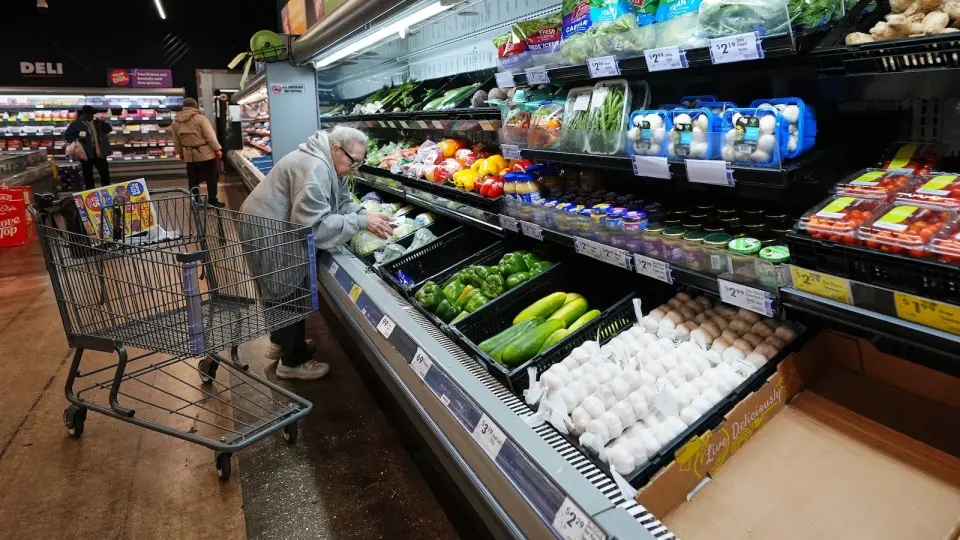
US consumer sentiment reached 48.0 in October, the second-lowest reading in the 74-year history of the University of Michigan survey. This decline is driven by persistent inflation, with annual prices rising 3.7% in September, and gasoline prices averaging $4.29 per gallon. While GDP growth remains robust, hiring slowed significantly, and rising interest rates are increasing costs for mortgages and credit cards. The economic strain is expected to impact the upcoming midterm elections, with affordability becoming a central issue for voters.
Key points
- The University of Michigan consumer sentiment index registered 48.0 in October, marking the second-lowest final reading ever recorded, slightly down from 48.1 in September.
- Gasoline prices in the US average $4.29 per gallon, representing a 43% increase since the Iran war began in late February, while global oil prices hit a six-month high of $116 per barrel.
- Inflation rose at an annual rate of 3.7% in September, exceeding the Federal Reserve's 2% target, and consumers now expect prices to rise 4.7% over the next year, the highest level since May.
- Job growth slowed sharply to 29,000 in September, down from 162,000 in August, while long-term Treasury yields have jumped, pushing up rates for credit cards and mortgages.
- Consumer sentiment among independents declined for a third consecutive month, while sentiment improved slightly for both Democrats and Republicans, according to survey director Joanne Hsu.
Background
Consumer sentiment has been deteriorating since the Iran war began in late February 2026, which triggered a global fuel supply shortage and energy price spikes. Earlier in October, the index had fallen to a five-month low of 46.3, driven by cost-of-living frustrations and higher borrowing costs. Analysts have noted that while macroeconomic indicators like GDP remain strong, the 'K-shaped' economy has left lower-income households facing severe strain, contributing to a broader sense of societal unhappiness and eroding trust in institutions.
How outlets are covering it
ABC News emphasizes the historical significance of the sentiment reading, highlighting that it is the second-lowest in the survey's 74-year history and linking it directly to the upcoming midterm elections. Bloomberg, via Yahoo Finance, focuses on the mechanics of the decline, noting that while the final index topped economist estimates, it was still a five-month low, and highlights that nearly 70% of consumers expect interest rates to rise in the coming year. Both sources agree that inflation expectations are the primary driver of the sentiment drop, but Bloomberg places more weight on the divergence between short-term and long-term inflation expectations, while ABC News stresses the political implications of the cost-of-living crisis for Republican candidates.
Why it matters
The near-record low in consumer sentiment signals deepening economic anxiety among Americans just weeks before the midterm elections. With inflation running well above the Federal Reserve's target and gasoline prices remaining elevated, affordability is likely to be a decisive factor in voter behavior. The combination of slowing job growth and rising borrowing costs suggests that the economic pain felt by households may outweigh the robustness of broader GDP figures, potentially influencing the political landscape in November.
What to watch
Analysts expect gasoline prices to remain above $4 per gallon through the midterm elections due to ongoing supply disruptions. The Federal Reserve is expected to consider further rate hikes in December as inflation expectations become more entrenched. Consumer sentiment may continue to deteriorate if price increases outpace pay gains, potentially impacting consumer spending, which accounts for two-thirds of US economic activity.
- Consumer sentiment nears all-time low ahead of midterms ABC News - Breaking News, Latest News and Videos
- US consumer sentiment near record low ahead of midterm elections Reuters
- Consumer sentiment shows cost-of-living frustration Axios
- Consumer Sentiment Declined Slightly in October WSJ
- US Consumer Sentiment Slips to Five-Month Low on Inflation Woes Yahoo Finance
Want the full story? Read the original reporting
Read on ABC News - Breaking News, Latest News and Videos