
Fed Dissenters Warn of Entrenched Inflation as Rate Hike Odds Rise
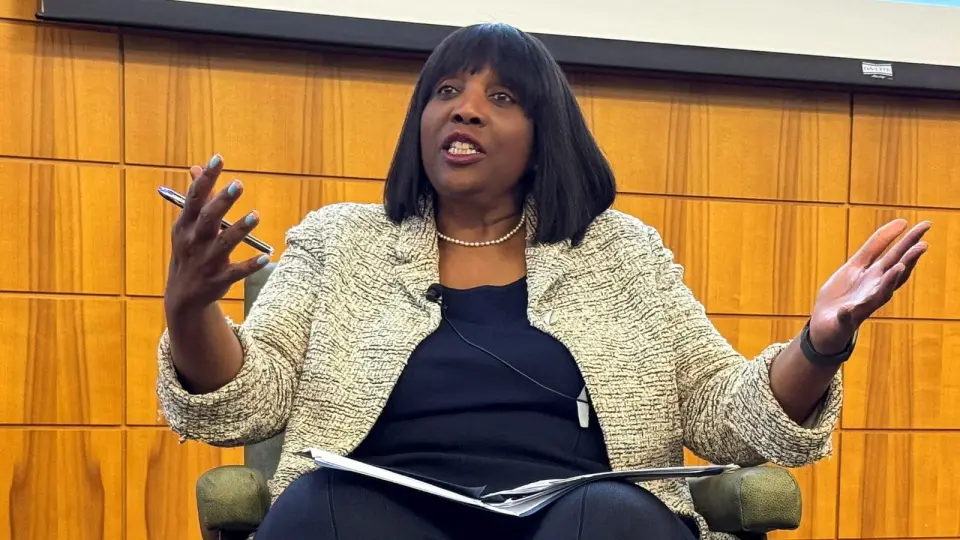
Federal Reserve Governor Lisa Cook stated she is prepared to raise interest rates if inflation does not continue to ease, warning that five years of above-target prices risk becoming entrenched. While the Fed held rates steady at 3.5%-3.75% last week, Cook and other dissenters argue that persistent inflation from energy shocks and AI demand requires action. NY Fed President John Williams expressed optimism that inflation will fall but confirmed the Fed would act if trends do not align with the 2% target. Markets are now pricing higher odds for a rate hike in October or December.
Key points
- Lisa Cook voted to hold rates but stated she is ready to hike if disinflation stalls, citing risks to the dual mandate.
- The Fed maintained the benchmark rate at 3.5%-3.75% in a 9-3 vote, with three members dissenting in favor of a hike.
- Inflation remains at 3.7% year-over-year, well above the 2% target, driven by energy prices, tariffs, and AI investment.
- NY Fed President John Williams expects inflation to drop in the second half of 2026 but warned the Fed would act if it does not.
- Markets are pricing in potential rate hikes for October or December, with some economists expecting action by September.
Background
Since late July, the Federal Reserve has faced growing internal dissent regarding its decision to hold rates steady. Previous coverage highlighted rising Treasury yields and a steepening yield curve, signaling investor concerns about persistent inflation. The current situation extends that debate, with policymakers explicitly warning that the current environment lacks the luxury of waiting for further data.
How outlets are covering it
CNBC emphasizes the urgency of Cook’s stance, highlighting her warning that five years of above-target inflation could lead to entrenched price and wage behavior. TheMortgagePoint focuses on NY Fed President John Williams, who offers a more optimistic view that inflation will ease naturally if energy and trade pressures peak, but agrees the Fed must act if it does not. Both sources agree on the current rate level and the 9-3 vote split but differ in tone regarding the likelihood of immediate action versus a gradual adjustment.
Why it matters
The shift in rhetoric from Fed governors signals a potential pivot in monetary policy. If inflation does not ease as predicted, a rate hike could increase borrowing costs for mortgages and loans, impacting consumer spending and business investment. The risk of inflation becoming entrenched could force the Fed to adopt a more aggressive stance than markets currently anticipate.
What to watch
Investors will watch core inflation data over the next several months to determine if the disinflationary path holds. The Fed is expected to assess the impact of the Iran war on energy prices and the AI buildout on demand. A rate hike could be priced in for October or December, depending on whether inflation trends align with the 2% target by 2028.
- Fed Governor Cook says she's 'prepared to act' on rate hike to address inflation CNBC
- Fed's Cook ready to raise rates if inflation doesn't start easing Reuters
- Federal Reserve’s Lisa Cook tells Anchorage business crowd she’s ‘firmly committed’ to bringing down inflation Anchorage Daily News
- Fed’s Cook Says Ready to Raise Rates If Inflation Doesn’t Cool Bloomberg.com
- NY Fed President: Central Bank Is Prepared to Act if Inflation Doesn’t Hit 2% themortgagepoint.com
Want the full story? Read the original reporting
Read on CNBC