
Dallas Fed President Logan Urges Faster Rate Hikes as Inflation Broadens Beyond Energy
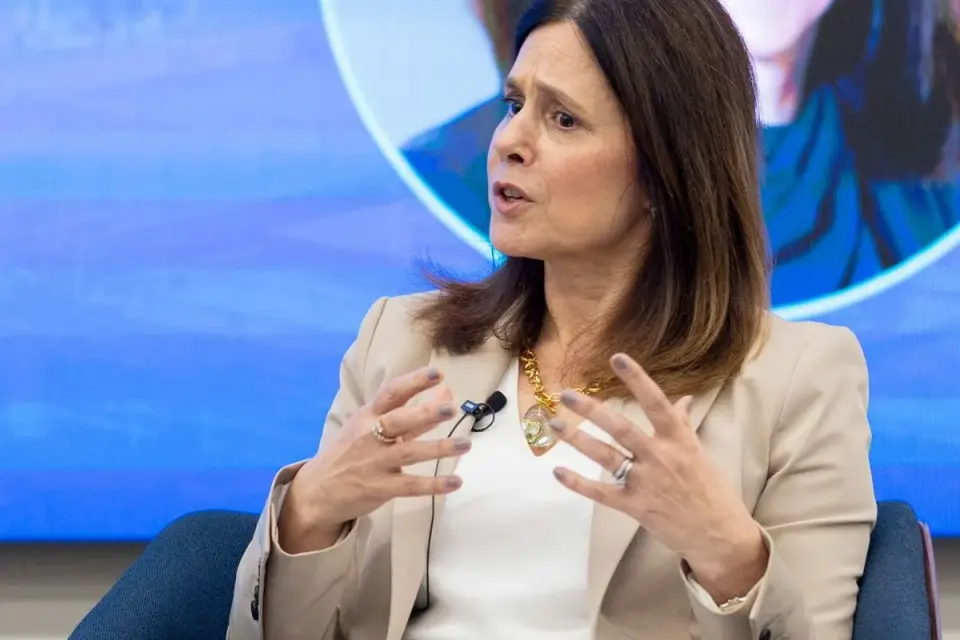
Federal Reserve Bank of Dallas President Lorie Logan stated on November 10 that the central bank needs at least two more 25-basis-point rate hikes, warning that the pace may need to accelerate this winter. Her comments followed October consumer price index data showing inflation rose to 4.0% year-over-year, up from 3.7% in September. Logan emphasized that price increases are spreading beyond energy and tariffs into services like healthcare and dining, suggesting inflation is becoming entrenched. While the Fed held rates steady at 3.9% in October, market expectations for a December hike have surged to 90%, with odds of a second hike in January rising sharply. Other officials, including Philadelphia Fed President Anna Paulson, echoed concerns about persistent underlying inflation, though some still favor a gradual approach to avoid economic shock.
Key points
- Lorie Logan, a voting member of the Federal Open Market Committee, stated at a Houston conference that the Fed needs at least two additional 25-basis-point rate increases.
- Logan indicated the Fed may need to move more rapidly this winter than it has this fall, potentially supporting consecutive hikes.
- October consumer price index data showed inflation rising to 4.0% year-over-year, up from 3.7% in September, despite leveling gas prices.
- Price increases are broadening into services such as healthcare, childcare, and dining, which are not sensitive to tariffs or energy shocks.
- Market futures indicate 90% odds of a rate hike at the December 8-9 meeting, with expectations for a second hike in January tripling to over 64%.
- The Fed held rates at 3.9% in October, but officials like Christopher Waller suggested a potential half-point hike if core inflation remains elevated.
Background
The Federal Reserve raised rates by 25 basis points in September to 3.75%-4.00%, marking the first hike in a cycle aimed at curbing inflation that has exceeded the 2% target for nearly six years. Recent data has intensified debate among officials on the pace of future hikes, with some advocating for aggressive tightening to prevent inflation from becoming entrenched, while others favor a gradual approach to avoid economic shock. October inflation data showed broadening price pressures beyond energy and tariffs, leading to a sharp rise in 10-year Treasury yields and increased market expectations for further rate increases.
How outlets are covering it
Bloomberg highlights Logan's specific call for at least two rate hikes and the potential for a faster pace this winter. AP News provides broader context, noting that inflation is spreading beyond one-time shocks like tariffs and gas prices into the wider economy, with rising costs in services and goods. AP also cites Anna Paulson, who emphasized that underlying inflation is above target and not just temporary, while still supporting gradual increases. The Dallas Fed speech details Logan's analysis of core services inflation and the real fed funds rate, arguing that accommodative policy is adding to inflationary pressures. AP and Bloomberg both note the shift in market expectations, with futures prices reflecting high odds of a December hike and rising expectations for a second hike in January. The sources collectively show a consensus on the need for further hikes but divergence on the speed and magnitude, with some officials like Waller suggesting a potential half-point increase if core inflation remains elevated.
Why it matters
The broadening of inflation beyond energy and tariffs into services and goods suggests that price pressures may become entrenched, requiring more aggressive monetary policy to bring inflation back to the 2% target. Faster rate hikes could increase borrowing costs for mortgages, credit cards, and other forms of debt, impacting millions of Americans already struggling with high prices. The Fed's decision on the pace of hikes will influence economic growth, employment, and financial markets, with risks of overshooting and causing a sharper economic slowdown if policy is too aggressive. The current debate among Fed officials reflects the challenge of balancing inflation control with economic stability in a volatile geopolitical and technological landscape.
What to watch
The Federal Open Market Committee is expected to meet on December 8-9, where market futures indicate a 90% chance of a rate hike. Expectations for a second hike at the January meeting have risen to over 64%, with some officials suggesting a potential half-point increase if core inflation remains elevated. The Fed will monitor economic and financial developments to determine the appropriate pace of further rate increases, with Logan indicating that after two more hikes, it would make sense to pause and assess the situation. The outcome of the December meeting will be critical in setting the tone for monetary policy in 2027, as the Fed seeks to balance inflation control with economic stability.
- Fed’s Logan Says Two More Hikes Needed, Pace Could Quicken Bloomberg.com
- As higher prices seep into broader economy, Fed officials consider faster hikes AP News
- Fed’s Paulson Urges Gradual Approach to Rate Hikes WSJ
- Economic and monetary policy outlook Federal Reserve Bank of Dallas
- Fed’s Paulson Says Gradual Tightening Seems Appropriate for Now Bloomberg.com
Want the full story? Read the original reporting
Read on Bloomberg.com