
Democrats win Congress, but experts warn gas prices will stay high for months
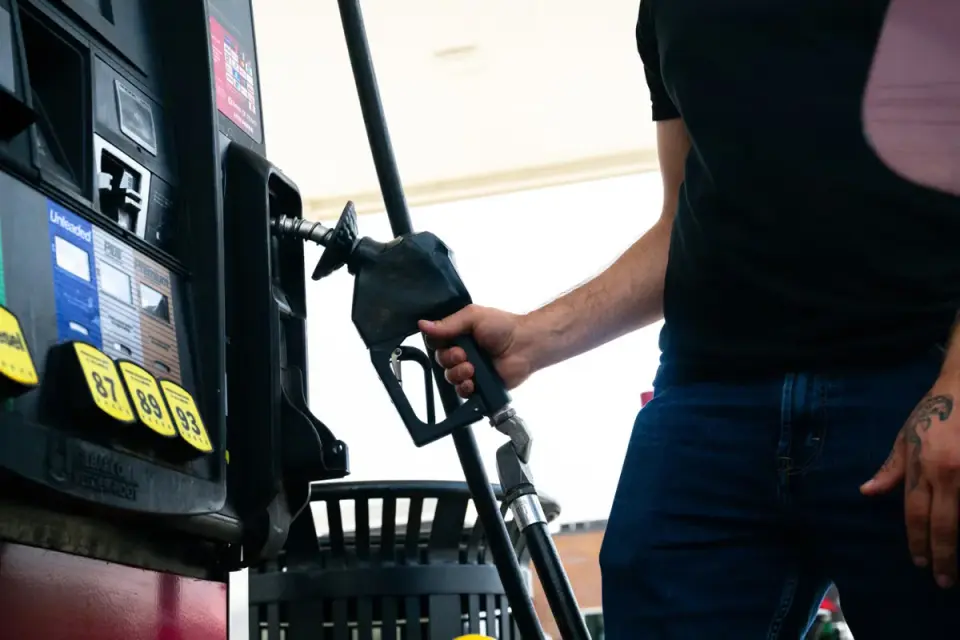
A Democratic sweep of Congress has triggered a sharp drop in oil prices, but experts warn that relief at the pump will be slow and limited. The new Congress does not convene until January, and even if the Iran war ends immediately, logistical delays in global shipping mean gasoline prices could remain elevated for six months or more.
Key points
- Oil prices fell sharply after the midterms, with Brent crude dropping from $102 to $97 per barrel, but experts caution this may not translate to immediate pump relief.
- The new Democratic-led Congress will not be sworn in until January 3, delaying any legislative action to constrain war spending or sanctions.
- Even if the Iran war ends, restoring normal shipping through the Strait of Hormuz could take months, delaying price drops due to the 'rockets and feathers' effect where prices rise fast but fall slowly.
- GasBuddy analyst Patrick De Haan predicts the national average gas price could drop to $3.65 per gallon in the coming weeks, but warns prices will remain elevated compared to pre-war levels.
- President Trump retains veto power and control over military operations, limiting the new Congress's ability to force an end to the conflict.
Background
Gas prices have soared since the U.S. and Israel launched a war on Iran in February, largely due to the closure of the Strait of Hormuz. The national average for gasoline reached $4.12 on Election Day, up from $2.98 before the conflict. High fuel costs were a primary driver of the Democratic victory in the midterms, with exit polls showing majority concern over fuel expenses. Previous coverage noted that while prices approached $4 in late October, experts warned that significant relief was unlikely without a definitive end to the conflict.
How outlets are covering it
Outlets disagree on the speed and magnitude of price relief. GasBuddy’s Patrick De Haan, cited by Yahoo Finance and Global News, is optimistic, predicting a drop to $3.65 per gallon within weeks due to political pressure. In contrast, The Independent and NPR cite experts like Jorge León and Jaime Brito, who warn that even if the war ends, it could take six months to a year for prices to return to pre-war levels due to shipping backlogs and refining delays. While De Haan sees immediate market speculation driving prices down, other analysts emphasize that Trump’s executive powers and potential for renewed military strikes could reverse any gains. Global News notes that Canadian consumers might see a 5 to 20 cent per litre drop, but prices will remain high due to ongoing volatility.
Why it matters
The disconnect between political victory and economic relief highlights the limits of congressional power over global commodity markets. For American drivers, the cost of living may remain high for months, potentially sustaining political tension. The situation also underscores how geopolitical conflicts in the Middle East directly impact domestic inflation and consumer budgets, regardless of which party controls the legislature.
What to watch
The new Congress will convene in January, where Democrats may attempt to cut off war funding or pass war powers resolutions. However, Trump is expected to veto such measures. Market watchers will monitor for any formal peace announcements between the U.S. and Iran, which could trigger a further drop in crude prices. In the meantime, oil prices may remain volatile due to ongoing tanker attacks in the Strait of Hormuz and seasonal refinery maintenance schedules.
- Hoping for a rapid drop in gas prices after the midterms? It’s probably not going to happen The Independent
- Gas Could Drop to $3.65/Gallon, Says Top Oil Analyst, Citing ‘Very High’ Political Pressure Following Republican Midterm Setbacks Yahoo Finance
- Does the blue wave mean lower gasoline and diesel prices soon? Don’t hold your breath NPR
- Will the U.S. midterm results do anything for oil and gas prices? Global News
- Gas prices could soon dip below $4 a gallon. So why are fuel costs falling? CBS News
Want the full story? Read the original reporting
Read on The Independent