
Fed Chair Warsh Warns of AI-Driven Inflation Ahead of October Rate Decision
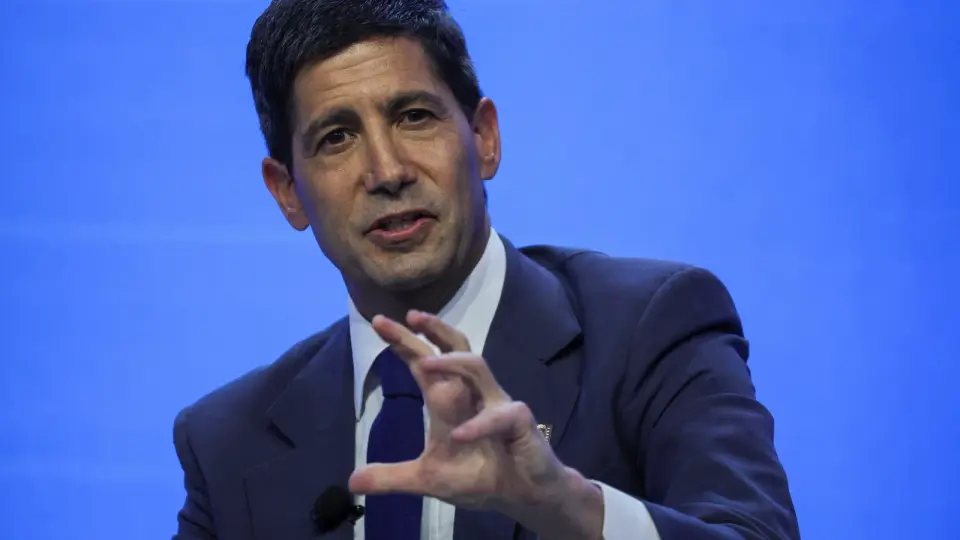
Federal Reserve Chair Kevin Warsh reaffirmed the central bank’s commitment to price stability during a Bangkok forum, noting that U.S. inflation rose to 3.7% in September. While Warsh declined to preview the October 28 rate decision, he highlighted that artificial intelligence investment is creating short-term inflationary pressure through demand surges, even as it promises long-term productivity gains. Market traders currently favor a hold on rates in October, with a potential hike expected in December.
Key points
- U.S. consumer price inflation reached 3.7% in September, up from 3.4% in August, significantly exceeding the Fed’s 2% target.
- Warsh stated that the economy has broadly performed as expected since the Fed raised rates to 3.75%-4.0% in September, its first hike since 2023.
- The Fed Chair described AI investment as a 'massive' global economic development that is currently inflationary due to high demand for components like memory chips.
- Warsh acknowledged uncertainty regarding AI’s impact on employment over the next 12 to 18 months, describing the transition as 'bumpy.'
- The Fed’s productivity and jobs task force will hold its first field hearing in the Bay Area on November 16 to examine AI’s economic effects.
Background
The Federal Reserve raised interest rates by 25 basis points in September 2026, marking its first increase since 2023, in response to inflation driven by an oil supply shock from the Iran war. Prior coverage indicated that Warsh was moving away from traditional forward guidance, emphasizing data-driven policy. The September hike occurred despite core CPI being lower at 2.4%, with critics arguing the move violated historical precedents for supply shocks. The current situation follows a period of market turmoil and political pressure from President Trump for lower rates.
How outlets are covering it
USA Today and Axios both report that Warsh declined to signal the October 28 decision, maintaining his stance against forward guidance. However, they differ on market expectations: USA Today notes traders bet on a hold in October and a hike in December, while Axios reports that odds for an October hike fluctuated between 22% and 50% before settling at 28%. ABC News emphasizes Warsh’s warning that AI spending is hitting the demand side of the economy before supply benefits materialize, framing it as a potential 'shock.' All three sources agree that Warsh views AI as ultimately beneficial for productivity but warns of a turbulent transition. USA Today and Axios highlight Warsh’s comments on global central bank synchronization, while ABC News focuses more on the immediate inflationary pressure from AI investment.
Why it matters
The rising inflation rate and Warsh’s cautious stance on AI-driven price pressures suggest the Fed may maintain a restrictive monetary policy stance. If the Fed holds rates in October but hikes in December, it could impact borrowing costs, mortgage rates, and stock valuations. The AI investment surge, while promising long-term wealth, poses short-term risks to price stability and employment, requiring careful monetary management to avoid overheating the economy.
What to watch
The Federal Reserve will meet on October 27-28 to decide on interest rates. Market expectations currently lean toward a hold, with a potential 25 basis point hike in December. The Fed’s productivity and jobs task force will hold its first field hearing in the Bay Area on November 16, focusing on AI’s impact on the economy. Investors will watch for further inflation data and Fed communications to gauge the pace of future rate adjustments.
- What's next for interest rates? Fed Chair Warsh wants price stability USA Today
- Fed Chair Kevin Warsh warns of AI 'shock' for economy, pledges to contain inflation ABC News - Breaking News, Latest News and Videos
- Key Moments From Kevin Warsh’s Speech to the IMF WSJ
- Warsh signals steady Fed outlook despite inflation jump Axios
- Warsh Boosts Market Expectations of Fed Rate Hold in October Bloomberg.com
Want the full story? Read the original reporting
Read on USA Today