
Fed Holds Rates at 3.75%-4.0% Amid Inflation Concerns and Election Proximity
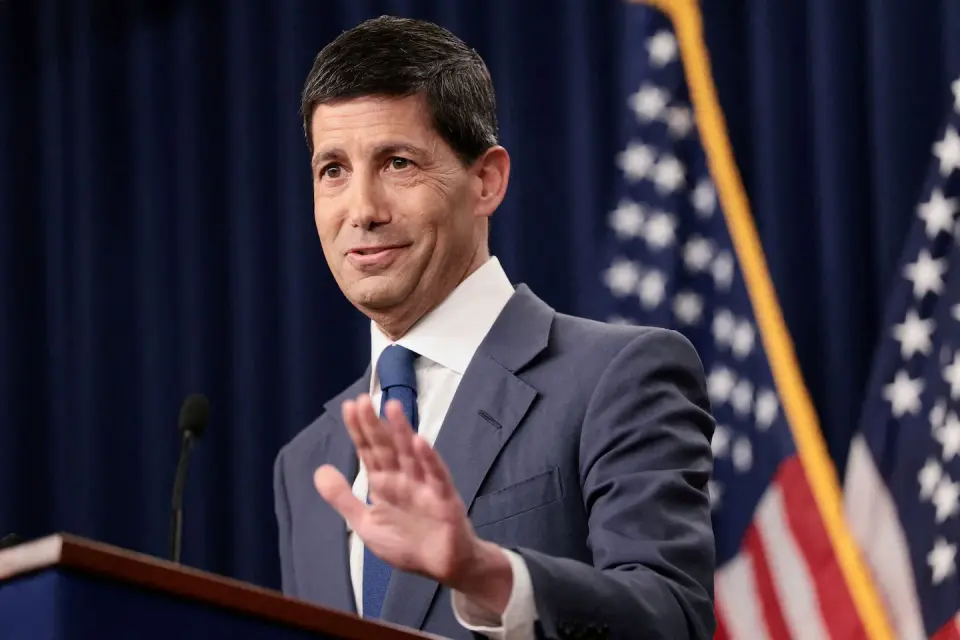
The Federal Reserve maintained its benchmark interest rate at 3.75%-4.0% on Wednesday, defying calls for cuts despite rising inflation and upcoming midterm elections. Chair Kevin Warsh stated that politics played no role in the decision, emphasizing the need for more data to assess the impact of the previous September hike. While two officials dissented in favor of a rate increase, the majority opted to wait, with markets now pricing in an 82.6% chance of a hike at the December meeting.
Key points
- The Federal Open Market Committee voted 10-2 to keep the federal funds rate steady at 3.75%-4.0%, with Cleveland Fed President Beth Hammack and Fed Governor Lisa Cook dissenting in favor of a 25-basis-point hike.
- Chair Kevin Warsh stated that the decision was not influenced by the upcoming midterm elections, noting that 'politics played no role' and that the committee focused on economic data and credit conditions.
- Inflation remains elevated, with consumer prices rising 3.7% year-over-year in September, and the Fed's preferred PCE gauge expected to jump to 3.6%, well above the 2% target.
- Warsh indicated that credit conditions have tightened for some businesses and households since the September hike, but acknowledged that energy prices and AI infrastructure investment continue to push costs higher.
- The Fed announced a change to its meeting schedule, with one meeting in 2027 and two in 2028 dedicated to strategic deliberations rather than rate decisions, reducing the number of rate-setting sessions from eight to seven and six, respectively.
Background
This decision follows the Fed's first rate hike in over three years in September 2026, which raised rates by 25 basis points to 3.75%-4.0%. At that time, Chair Warsh emphasized that inflation remained too high, and the move was unanimous. The September hike came amid rising oil prices and concerns about the 'transitory' nature of inflation, which had previously peaked at 9.1% in 2022. The current hold reflects a cautious approach after the September hike, as the Fed assesses the impact on the economy and labor market, which has shown signs of slowing but remains relatively stable with unemployment at 4.2%.
How outlets are covering it
The Washington Post and AP News reported the decision as a standard hold, with Warsh emphasizing the need for more data. CNN framed the decision as a potential 'mistake,' arguing that the Fed risks repeating the 2021 error of ignoring inflation, particularly as prices have spread beyond energy into housing and services. Fox Business highlighted the 10-2 vote and the dissents, noting that the Fed's decision was widely expected, with markets pricing in a 91% chance of a hold. CNN also noted that the Fed's decision may have been influenced by the upcoming election, with former Minneapolis Fed president Narayana Kocherlakota suggesting the Fed wanted insulation from President Trump's criticism, while Fox Business and AP News quoted Warsh denying any political influence. CNN emphasized the risk of a 'December shock therapy' if inflation continues to rise, while Fox Business and AP News noted that the Fed's decision was widely expected and that markets are now pricing in a higher chance of a December hike.
Why it matters
The Fed's decision to hold rates steady amid rising inflation and upcoming midterm elections highlights the central bank's cautious approach to monetary policy. The decision reflects the Fed's desire to assess the impact of the September hike on the economy and labor market, while also avoiding a premature rate increase that could harm economic growth. The dissents from two Fed officials suggest that there is still broad support for further rate hikes, and the market's pricing of an 82.6% chance of a December hike indicates that investors expect the Fed to act if inflation continues to rise. The decision also underscores the Fed's commitment to its dual mandate of price stability and full employment, as it balances the need to combat inflation with the risk of harming the labor market and economic growth.
What to watch
The Fed's next scheduled interest rate meeting is on December 8-9, 2026, where markets anticipate a 25-basis-point hike. The probability of a hike has risen to 82.6% since the October decision, up from 78.3% a day earlier. The Fed will also release its personal consumption expenditures price index on Thursday, which is forecast to have jumped 3.6% in September from a year earlier. The Fed's decision to hold rates steady may also be influenced by the upcoming midterm elections, with some economists suggesting that the Fed wanted insulation from President Trump's criticism. The Fed's new meeting schedule, with one meeting in 2027 and two in 2028 dedicated to strategic deliberations, will also be a key factor in the Fed's future decisions.
- Federal Reserve holds interest rates steady The Washington Post
- Did the Fed just make a huge mistake? CNN
- Federal Reserve makes interest rate decision ahead of midterms Fox Business
- Federal Reserve keeps rates unchanged despite elevated inflation AP News
- Fed holds rates steady as a governor and president dissent together for the first time since 1992 Fortune
Want the full story? Read the original reporting
Read on The Washington Post