
NY Fed Chief Blames AI Boom, Not Market Dysfunction, for Yield Spike
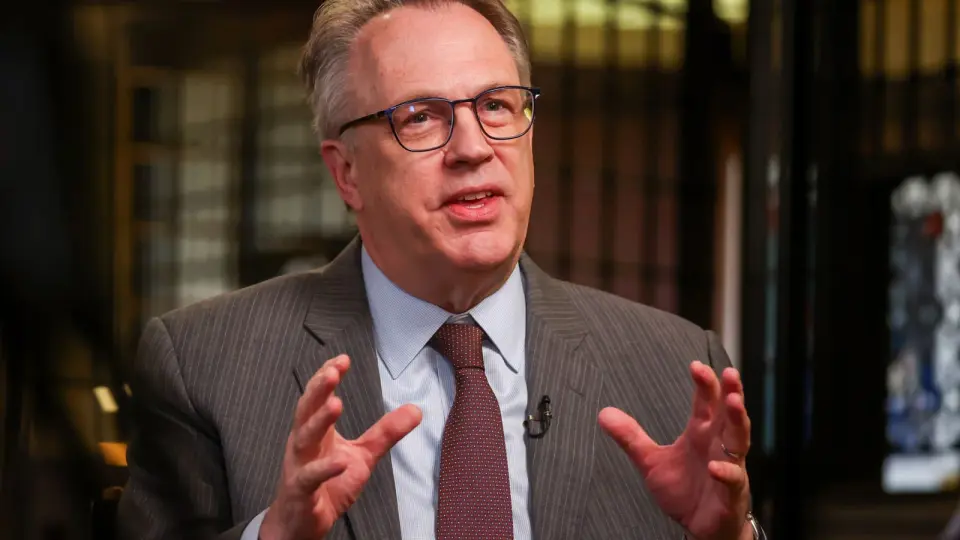
New York Fed President John Williams attributed the recent surge in Treasury yields to a robust US economy driven by AI and technology investments, rather than financial instability. He maintained a 'wait-and-see' stance on potential rate hikes, noting that recent inflation data is encouraging but insufficient for a definitive decision. While traders price in a 66% chance of a rate hike at the September meeting, Williams emphasized that inflation expectations remain well-anchored despite tariff and geopolitical pressures.
Key points
- Williams stated that rising long-term Treasury yields reflect strong economic fundamentals and growth expectations, not market dysfunction.
- The Fed official adopted a cautious approach, refusing to commit to an interest rate hike until a full picture of economic data is available.
- Recent inflation data has been encouraging, but Williams argued that one or two months of data are insufficient to determine if monetary policy is currently sufficient.
- Traders have increased the probability of a rate hike at the September 15-16 meeting to approximately 66%, according to CME Group gauges.
- Williams identified big investments in AI, data centers, and technology as primary drivers of the strong economic outlook fueling yield increases.
Background
This development follows a period of rising long-term Treasury yields that sparked debate over whether they signaled debt sustainability concerns or growth optimism. Earlier coverage noted that while interest costs on US debt reached record highs, many analysts argued that yield increases reflected higher expected long-run growth from AI and deregulation rather than fears about Fed credibility. The current stance by Williams aligns with previous interpretations that inflation expectations remain anchored near the 2% target, despite temporary pressures from tariffs and geopolitical conflicts.
How outlets are covering it
CNBC highlights Williams' view that the economy is driving financial conditions, not the reverse, and emphasizes his hesitation on rate hikes. Forex Factory coverage focuses on the hawkish implication of Williams' statement that price stability is the Fed's primary job, which traders interpreted as a signal for potential rate hikes. While CNBC frames the yield rise as a sign of economic strength, Forex Factory users and commentators debated the impact on gold and forex markets, with some viewing the hawkish tone as bearish for gold due to rising interest rate expectations. Both sources agree on the 'wait-and-see' approach but differ in emphasis: CNBC focuses on the economic drivers of yields, while Forex Factory focuses on the market reaction to the Fed's commitment to price stability.
Why it matters
The interpretation of rising Treasury yields as a sign of economic strength rather than distress is crucial for global financial markets. If yields continue to rise due to strong growth and AI investment, it could strengthen the US dollar and impact emerging market currencies. However, the uncertainty around future rate hikes creates volatility for bond and equity markets. Williams' stance suggests that the Fed may not act immediately, but the market's pricing of a 66% hike probability indicates significant tension between current data and future policy expectations. This dynamic affects borrowing costs, investment flows, and the broader economic outlook, particularly as the Fed balances inflation control with growth support.
What to watch
Investors will closely monitor upcoming inflation and labor market data to determine if the Fed moves toward a rate hike at the September 15-16 meeting. Williams' 'wait-and-see' approach suggests that the Fed will require a clearer picture of inflation trends before adjusting policy. Market participants will also watch for any shifts in Treasury yields, which could signal changes in expectations for economic growth or monetary policy. The outcome of the September meeting will be critical in determining whether the Fed acts on its commitment to price stability or continues to hold rates steady.
- New York Fed's Williams says yield surge due to strong economic prospects CNBC
- Fed's Williams ties rising bond yields to strong economy, CNBC reports reuters.com
- NY Fed's John Williams signals openness to September rate hike qz.com
- Wall Street is nervous about a Fed rate hike, which looks more likely after a top official’s remarks MarketWatch
- Fed's Williams: At the end of the day, it's the Fed's job to get price stability; 2% inflation is job number one Forex Factory
Want the full story? Read the original reporting
Read on CNBC