
France’s Debt Crisis: Markets Split Between Panic and Opportunity
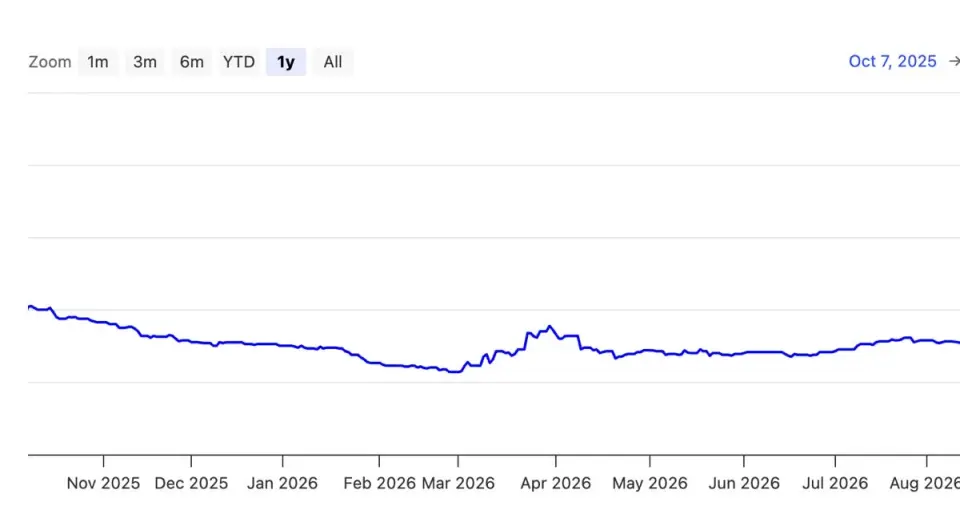
France faces a severe fiscal crisis as bond yields spike and student protests erupt over education cuts. While Paul Krugman warns of a potential 'too big to save' scenario due to unsustainable pension policies, financial markets remain divided, with some investors 'bottom fishing' in Eurozone debt, believing the situation is manageable.
Key points
- France's 10-year bond yield has surged to nearly 5%, the highest in 25 years, driven by fears of default on its €3.5 trillion debt pile.
- The spread between French and German bonds has widened to 1.4 percentage points, reflecting heightened investor anxiety about fiscal sustainability.
- Large-scale student protests are occurring in France, triggered by education budget cuts necessitated by the need to fund generous pension schemes.
- The official retirement age remains stalled at 62 years and 9 months, despite an aging population and life expectancy at 65 reaching 87 years.
- Marine Le Pen leads polls for the 2027 presidential election, with her party promising to roll back the retirement age to 62, exacerbating fiscal concerns.
Background
France's public debt has ballooned to its highest level since 1978, projected to reach 119.3% of GDP in 2026. The country has been running persistent deficits around 5% of GDP, well above the EU's 3% rule. Recent warnings from the Banque de France highlighted the risk of being 'strangled by interest rates' if fiscal consolidation is not achieved. Additionally, the National Rally recently issued a rare rebuke of Russia, signaling internal shifts within the far-right party as it prepares for the 2027 elections.
How outlets are covering it
Paul Krugman argues that France is on an 'unsustainable path' due to its refusal to raise the retirement age, creating a risk of a debt crisis that could fracture European unity. He notes that while the implied probability of default is low (1.2%), the potential for a 'too big to save' scenario is real, especially given the political opposition to a bailout from creditor nations like Germany. Conversely, the Financial Times reports that large asset managers are 'bottom fishing' in Eurozone bond markets, viewing the sell-off as an overreaction. Investors like those at Aberdeen Investments and W1M are buying Italian and French corporate debt, betting that the European Central Bank's stronger institutional backing and market confidence will prevent a repeat of the 2010s debt crisis. CNN highlights the social unrest, linking the debt crisis to violent student demonstrations over education funding.
Why it matters
France's fiscal instability poses a significant risk to the Eurozone's integrity. As the second-largest economy in the euro area, a French default could trigger a contagion effect, destabilizing other nations like Italy and Spain. The political uncertainty surrounding the 2027 election, with Le Pen's promise to reverse pension reforms, adds to the risk. If the ECB is unable or unwilling to intervene, the resulting crisis could be more divisive and costly than previous Eurozone bailouts, potentially undermining European unity and economic stability.
What to watch
Investors will closely monitor the 2027 presidential election and any shifts in France's fiscal policy. The European Central Bank's stance on potential intervention will be crucial, as will the outcome of the student protests and any legislative changes to pension or education budgets. The market's reaction to Le Pen's promises of fiscal rectitude versus her party's historical stance on pensions will determine whether the current sell-off is a temporary dip or a precursor to a deeper crisis.
- What’s the Matter With France? Paul Krugman | Substack
- France’s student protests highlight a debt crisis that could spill over to the rest of Europe CNN
- Default May Be the Tail Risk Haunting French Bonds WSJ
- Big investors ‘bottom fish’ in Eurozone bond markets after France sell-off Financial Times
- The Specter of Market Contagion Is Haunting Europe Bloomberg.com
Want the full story? Read the original reporting
Read on Paul Krugman | Substack