
Fuel Costs from Iran Conflict Force Major U.S. Airlines to Slash Capacity and Hike Fares
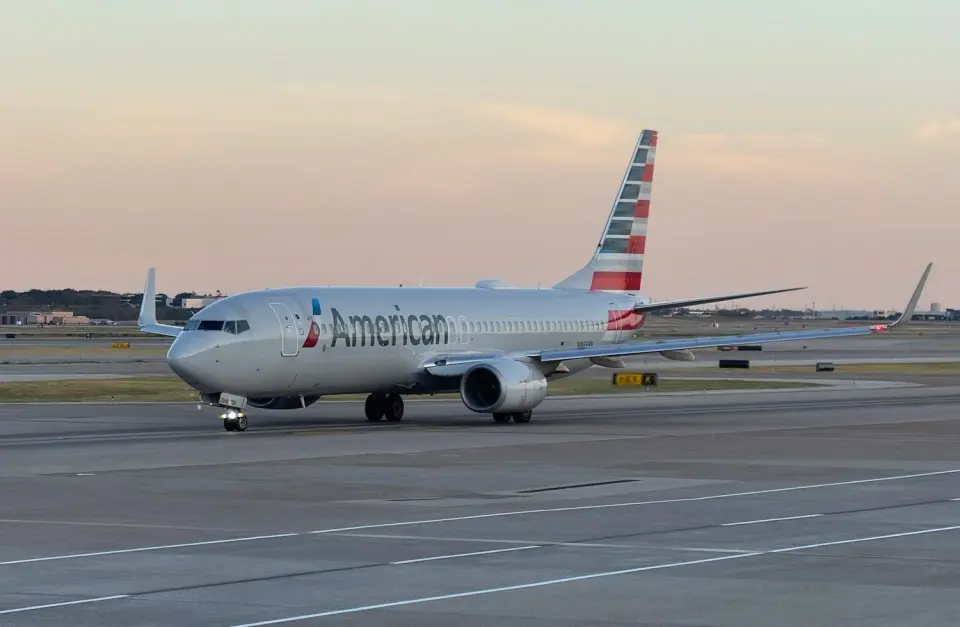
Surging jet fuel prices, driven by the ongoing conflict with Iran, are compelling major U.S. carriers to reduce flight frequencies and raise ticket costs. American Airlines faces a $1 billion increase in fourth-quarter fuel expenses, while United and Southwest are trimming schedules to protect profitability. Although passenger demand remains strong, the reduction in available seats is expected to drive up average fares, particularly for holiday travel and regional routes.
Key points
- American Airlines estimates its fourth-quarter fuel expenses have risen by approximately $1 billion, forcing the carrier to reconsider capacity on marginally profitable routes.
- United Airlines has already removed certain flights starting in December, with CFO Mike Leskinen stating the carrier will prioritize free cash flow over market share defense, potentially allowing further cuts in 2027.
- Southwest Airlines has halved its planned 2026 capacity growth and may reduce it further, as the airline struggles to demonstrate durable profits under its transformed business model amid high fuel costs.
- JetBlue has lowered its third-quarter capacity growth forecast and raised its projected fuel price from $3.49 to $3.96 per gallon, citing both fuel costs and air traffic control disruptions.
- Airlines are offsetting higher operating costs by simultaneously raising fares and cutting capacity, a strategy that reduces seat availability and increases average prices despite strong demand.
Background
This development follows a trend of rising travel costs observed in August 2026, when Delta and United introduced stripped-down 'basic business' fares that removed amenities like lounge access and free changes, potentially increasing costs for corporate travelers. Additionally, in September 2026, Virgin Atlantic founder Richard Branson attributed rising airfares to Middle East tensions, noting that analysts estimated fares had increased by approximately 25% due to oil cost spikes. The current capacity cuts exacerbate previous issues where flight cancellations and weather disruptions forced travelers into multi-day waits for departures, as noted in August 2026 reporting.
Why it matters
The reduction in flight capacity and subsequent fare increases directly impact consumer spending and travel accessibility, particularly for passengers in smaller cities with limited route options. As airlines prioritize profitability over market share, the industry may experience a slower recovery in service levels even if fuel prices eventually decline, leading to sustained higher costs for domestic and international travel.
What to watch
Airlines are expected to continue adjusting schedules through the winter, as weaker seasonal demand makes it harder to absorb fuel cost increases. Passengers are advised to book holiday travel early to secure better rates, while industry observers anticipate potential further capacity cuts if fuel prices remain elevated into 2027.
- U.S. Airlines Cut Flights As Soaring Fuel Prices Push Fares Higher Live and Let's Fly
- American, United, Southwest scale back schedules as fuel shock reshapes flying Reuters
- American Airlines at Morgan Stanley Laguna Conference: revenue strength By Investing.com Investing.com India
- Fuel Price Surge Prompts Airlines to Cut Flights—and Keep Fares High WSJ
- United CFO says weaker competitors may not outlast fuel spike FlightGlobal
Want the full story? Read the original reporting
Read on Live and Let's Fly