
U.S. Fuel Prices Hit Record Highs as Geopolitical Conflicts Strain Global Supply
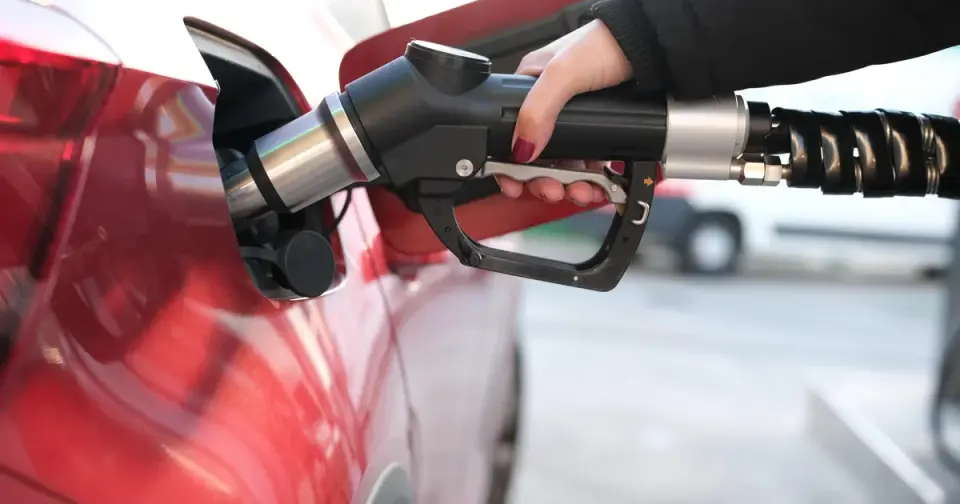
U.S. gasoline and diesel prices have surged to record levels, with the national average for gas reaching $4.44 per gallon and diesel hitting $6.40. Analysts attribute this spike to reduced refining capacity and supply disruptions caused by the U.S.-Iran war, the Russia-Ukraine conflict, and Houthi attacks on Saudi infrastructure. Experts warn that these high prices will likely persist, potentially driving inflation higher and increasing costs for consumers and commercial sectors.
Key points
- The national average for regular gasoline rose 7 cents overnight to $4.44, up nearly 50% since the start of the Iran war in February.
- Diesel prices reached a record $6.40 nationally, up 77 cents since early September, with some states like California averaging $8.35.
- Brent crude oil traded around $103 per barrel, driven by supply constraints from multiple global conflicts.
- Reduced refining capacity in the U.S. and overseas, including an ExxonMobil outage in the Midwest and Ukrainian drone strikes on Russian facilities, is exacerbating the shortage.
- Houthi attacks on the Saudi East-West pipeline removed 4 million barrels per day from the global market, further tightening supply.
Background
This surge follows a period of rising fuel costs in August, when diesel prices climbed to $5.47 amid Middle East tensions. In early September, prices had already begun climbing toward current records, with California stations hitting display caps. The current situation reflects a cumulative effect of ongoing geopolitical conflicts that have strained global oil supply since early 2026.
How outlets are covering it
CBS News and AAA emphasize the immediate price hikes and the role of reduced refining capacity, citing specific outages and pipeline attacks. The Washington Post highlights the broader economic implications, noting that analysts predict further jumps and contrasting this with the Trump administration's optimistic messaging. WLWT focuses on local impacts in Greater Cincinnati, where prices exceed national averages, and notes consumer responses like fuel discounts. All sources agree on the severity of the price surge but differ in emphasis: CBS and AAA focus on supply mechanics, while The Post stresses the political and inflationary consequences.
Why it matters
Sustained high fuel prices threaten to 'turbocharge' inflation by increasing costs for transportation, food, and heating. Diesel, critical for commercial logistics, is particularly volatile, and its rise could lead to higher prices for consumer goods and utility bills, especially in the Northeast. The situation underscores the vulnerability of the U.S. economy to geopolitical disruptions in oil supply and refining capacity.
What to watch
Experts project gasoline prices could reach $4.50 per gallon later this week, with diesel potentially hitting $6.60 by the weekend. If geopolitical conflicts continue, prices may rise further, leading to increased inflation and economic strain. The Trump administration's response and potential policy adjustments will be closely watched as the situation evolves.
- No relief in sight for U.S. drivers as gas and diesel prices surge CBS News
- Gas prices are about to take a big jump, analysts say, with the worst still to come The Washington Post
- Pump Prices Keep Climbing as Crude Oil Remains High AAA Gas Prices
- Gas prices again jump overnight across Greater Cincinnati, diesel sets record for 9th straight day WLWT
- Gas prices jump across the US. See map of state-by-state numbers USA Today
Want the full story? Read the original reporting
Read on CBS News