
US Gas Hits Record $4.03 on Labor Day as Refining Bottlenecks Persist
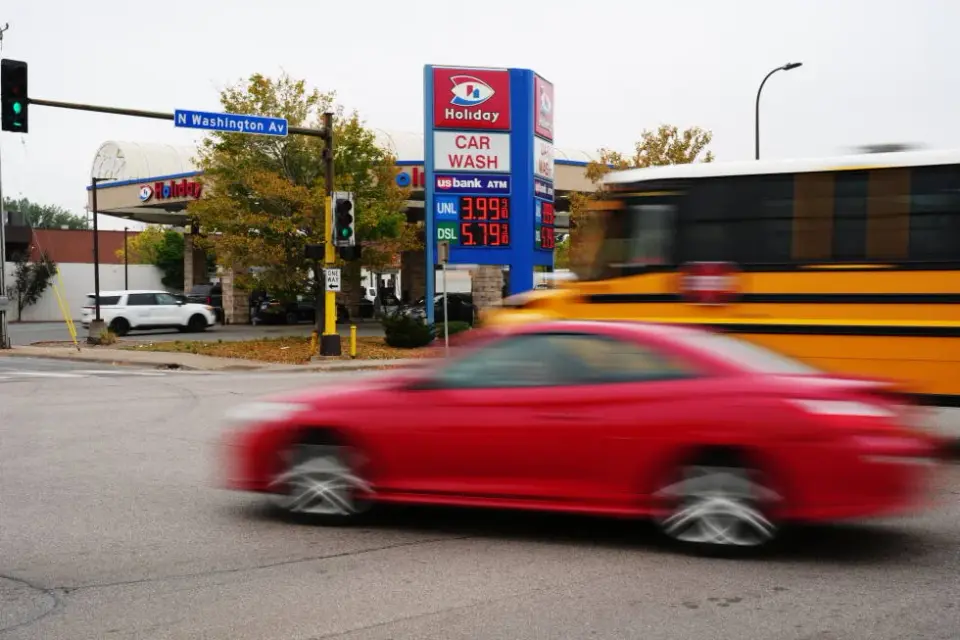
US gasoline prices are set to hit a record high of $4.03 per gallon for Labor Day, surpassing the 2012 peak. While the administration cites future oil deals and market forecasts for relief, analysts note that current refining capacity and geopolitical tensions in the Middle East limit immediate options. Diesel prices have also reached all-time highs, impacting broader economic costs.
Key points
- GasBuddy forecasts a national average gasoline price of $4.03 on Labor Day, exceeding the previous record of $3.83 set in 2012.
- Diesel prices hit an all-time high of $5.85 per gallon, up over 60% this year, affecting transportation and industrial costs.
- The US Strategic Petroleum Reserve is at its lowest level since the early 1980s, limiting government intervention options.
- US refinery utilization is at 98%, the highest since 2018, with little room to increase output quickly.
- A new oil deal with Venezuela is expected to take until 2035 to significantly impact global supply, according to Rystad Energy.
Background
This follows a trend of rising fuel costs throughout 2026, with August already seeing record highs amid US-Iran tensions. Earlier reports noted that diesel prices were nearing records due to global supply tightness and refinery disruptions. The current situation extends these pressures into the Labor Day holiday, a traditional peak travel period.
How outlets are covering it
CNN emphasizes the political pressure on President Trump, noting that the administration has 'scrambled for answers' and that the Venezuela oil deal will not meaningfully increase supply until 2035. CNBC highlights the consumer impact, noting that prices are at their highest level for this time of year, and that drivers are cutting back on travel. The New York Times focuses on the travel logistics, noting that despite high prices, passenger numbers at airports are expected to be near record levels, with the TSA screening 17 million passengers. AP News notes that while futures markets suggest prices may drop in November, the immediate situation is driven by a lack of gasoline coming out of refineries.
Why it matters
Record fuel prices directly impact household budgets, with Brown University estimating an extra $97 billion in costs for US households since the Iran conflict began. High energy costs also influence inflation and consumer confidence ahead of midterm elections. The shortage of refined products, particularly diesel, threatens supply chains and industrial operations, as refineries operate near maximum capacity.
What to watch
Analysts expect gasoline prices to potentially drop in the coming months as futures markets suggest lower prices for November. However, near-term relief is unlikely due to constrained refining capacity and ongoing geopolitical tensions. The administration is expected to continue monitoring the situation, with no immediate policy levers available to boost supply.
- Fuel prices at record Labor Day high in US thanks to Iran War and refinery issues AP News
- Labor Day gas has never been this expensive. Trump is scrambling for answers CNN
- Americans hit with record-high Labor Day Weekend gasoline prices cnbc.com
- Traveling During Labor Day Weekend? Here’s What to Know. The New York Times
- Happy Labor Day. Everything's about to cost more! | Opinion USA Today
Want the full story? Read the original reporting
Read on AP News