
Grocery Prices Surge 0.5% in October as Energy Costs Ripple Through Supply Chain
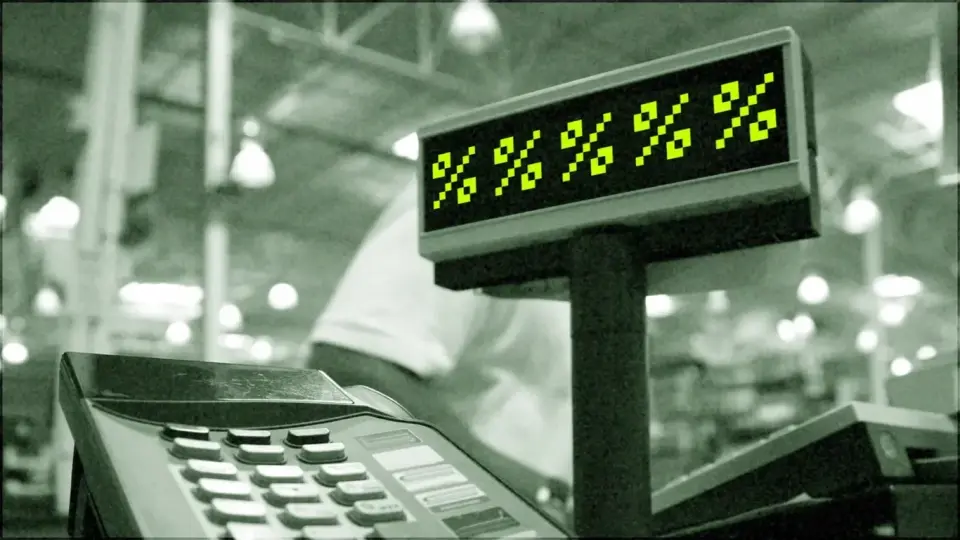
US grocery prices rose 0.5% in October, marking the largest monthly increase since April, driven by higher energy costs passing through the supply chain. While wholesale inflation hit a four-year high of 6.5% annually, specific retail categories like bread and cereal saw mixed results, with some items declining while others like cakes and cookies increased.
Key points
- The Bureau of Labor Statistics reported that the Consumer Price Index for all food at home increased by 0.3% in October, with overall grocery prices jumping 0.5%, the steepest rise since April.
- Wholesale inflation reached an annual rate of 6.5% in October, the highest level since late 2022, driven by energy, food, and AI-related costs, solidifying expectations for a Federal Reserve rate hike in December.
- Andy Harig of FMI - The Food Industry Association noted that rising fuel and diesel costs are now reflected in production and delivery, a lagged effect that takes months to appear in grocery prices.
- Specific CPI data shows a decline in baked foods and cereal products by 0.1%, with bread prices down 0.6% and breakfast cereal down 1.5%, though cakes, cupcakes, and cookies rose by 1.4% and 1.5% respectively.
- Political tensions emerged as Democrats criticized President Trump’s plan to cut SNAP benefits for 6.3 million people, arguing that such cuts deepen hardship amid rising food costs, while experts doubt short-term price reductions are feasible.
Background
Recent archive coverage highlights that US wholesale inflation accelerated to a four-year high in October, with the Producer Price Index rising 0.3% monthly and 6.5% annually. This surge, attributed to energy shocks and rising food costs, has intensified market expectations for a Federal Reserve interest rate hike in December. The current retail price surge aligns with these broader wholesale trends, indicating that upstream cost pressures are now fully transmitting to consumer shelves after a period of stabilization in September.
How outlets are covering it
World Grain emphasizes the mixed nature of the CPI data, noting that while overall food prices rose, specific categories like bread and cereal declined, suggesting that not all food items are uniformly affected by inflation. The Independent focuses on the political and consumer impact, highlighting the 0.5% jump as the largest since April and framing it within the context of Democratic promises to lower costs versus Republican efforts to cut SNAP benefits. Axios’s primary source, while limited in detail, confirms the general trend of rising wholesale food prices, corroborating the narrative that energy costs are driving broader inflationary pressures across the food supply chain.
Why it matters
The 0.5% jump in grocery prices signals a reversal of the recent trend toward price stabilization, potentially increasing household financial stress. The lagged effect of energy costs means further price increases may follow, complicating efforts by policymakers to reduce the cost of living. Additionally, the political debate over SNAP cuts highlights the tension between fiscal policy and social safety nets during periods of inflation, with experts warning that immediate price reductions are unlikely despite legislative efforts.
What to watch
Analysts expect the lagged effect of higher energy costs to continue influencing grocery prices in the coming months, potentially leading to further increases. The Federal Reserve is likely to proceed with a rate hike in December in response to the 6.5% annual wholesale inflation rate. Politically, Democrats in Congress may prioritize legislation to lower grocery and gas costs, though experts remain skeptical of short-term success due to structural supply chain issues and the distance between the administration and legislative priorities.
- Wholesale food prices are on the rise Axios
- What got more expensive for US consumers in October? Reuters
- CPI for baked foods declines in October World Grain
- As Americans fret about everyday costs grocery prices just had their biggest jump since April The Independent
- The Next Wave of Food Inflation Is Coming WSJ
Want the full story? Read the original reporting
Read on Axios